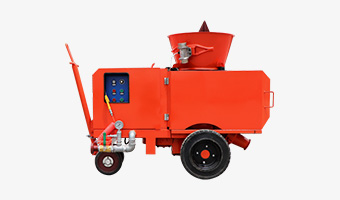
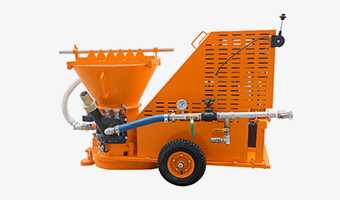
Steel ladles, electric arc furnaces, and converters operate under prolonged conditions of high temperatures, erosion, corrosion, and frequent hot-cold cycles, making their refractory linings prone to problems such as localized wear, spalling, cracking, and uneven thickness. Complete dismantling and rebuilding each time is not only costly but also prolongs downtime, disrupting continuous steel plant production.
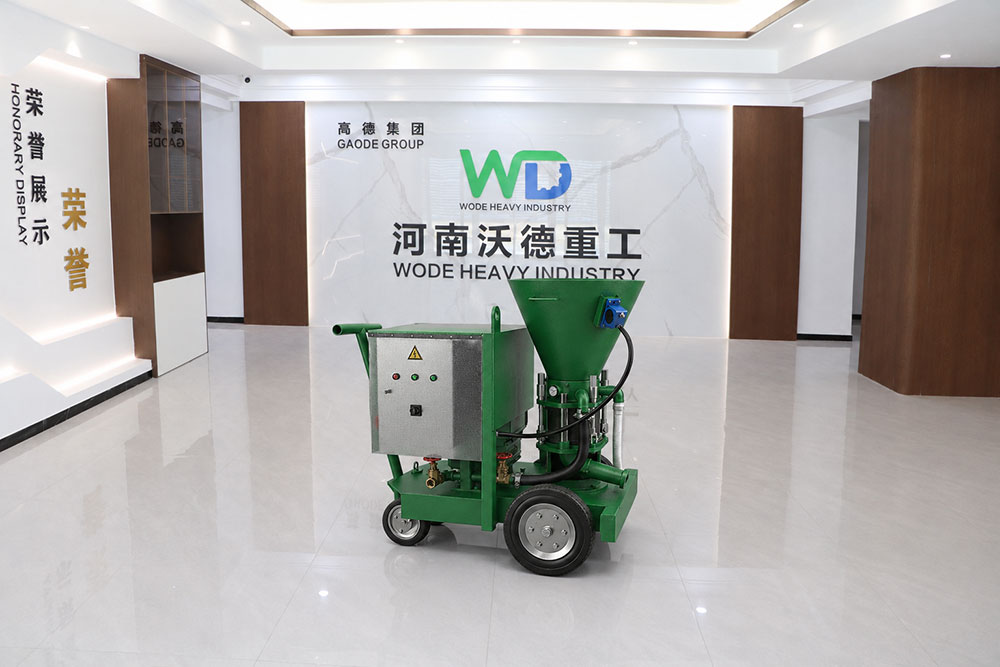
Using a professional steel plant refractory gunning machine for targeted repair of damaged areas can restore the working layer of the refractory lining, extend its service life, and reduce the input of refractory materials and labor.
The location of damage and repair conditions vary among different steelmaking equipment; therefore, the gunning equipment must have flexible discharge rate adjustment capabilities and stable material delivery performance.
1. Ladle Hot Repair Gunning Machine: During ladle hot repair, refractory materials can be sprayed onto the ladle wall, slag line, and locally worn areas. The equipment's continuous and uniform feeding helps form a firmly adhered, relatively uniform repair layer, thereby shortening ladle repair time and improving ladle turnover efficiency.
For hot ladle maintenance projects, appropriate spray guns, conveying hoses, and safety configurations must be selected based on the ladle temperature, spraying distance, material formulation, and on-site operation methods.
2. EAF Refractory Repair Machine: Electric arc furnace walls, slag lines, and hot spots are susceptible to the combined effects of high-temperature electric arcs, molten slag, and mechanical impact. Localized spraying using an EAF refractory repair machine can promptly repair worn areas, reducing the risk of further damage to the furnace lining and minimizing downtime caused by large-scale repairs.
3. Converter Refractory Gunning Machine: The refractory lining inside a converter is affected by molten metal erosion, chemical corrosion, and temperature changes. A converter refractory gunning machine can be used for maintenance spraying of furnace walls, slag lines, and other locally weakened areas, providing steel plants with more flexible furnace lining maintenance solutions.
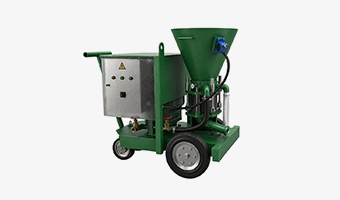
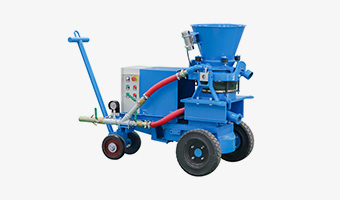
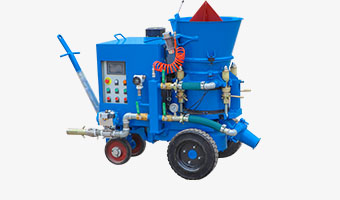
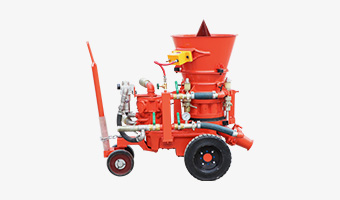
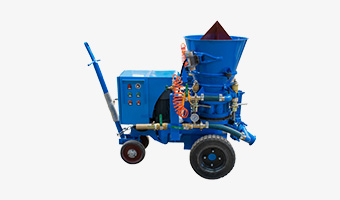
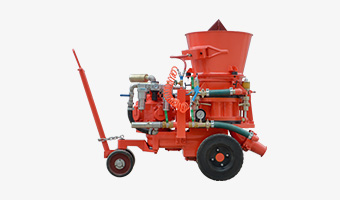
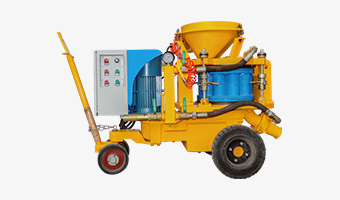
The WZ-3ER-GV Rotor Dry Mix Gunning Machine manufactured by Henan Wode Heavy Industry Co., Ltd. features a compact rotor structure and variable frequency motor drive, allowing for a wide range of discharge control by changing different rotor specifications and adjusting the speed.
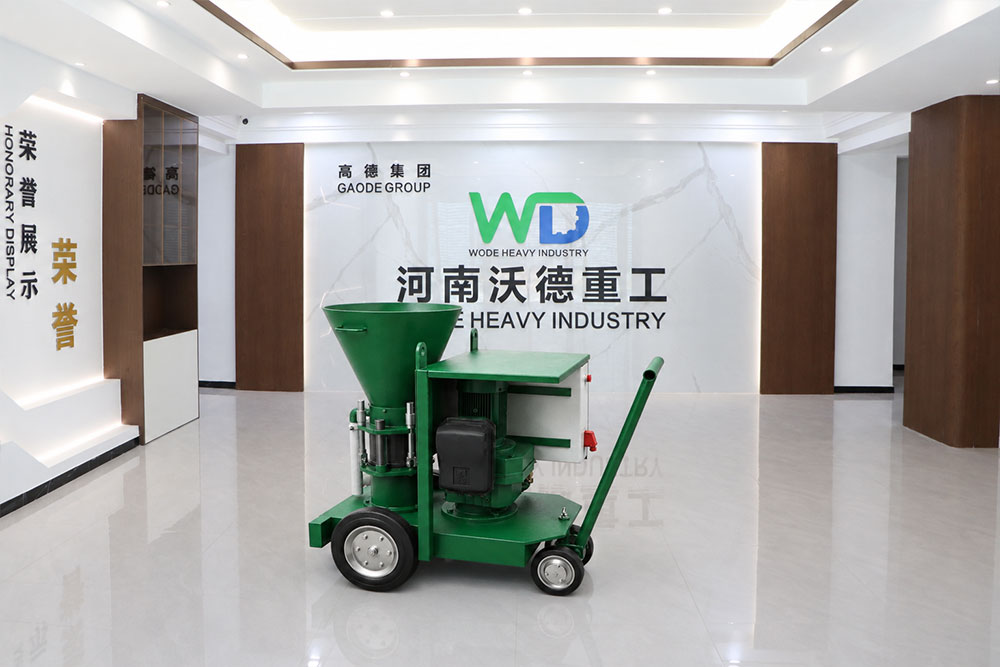
Key advantages include:
1. Flexible and Adjustable Discharge: The theoretical output is 0.25–3 m³/h, suitable for both small-area fine repairs and large-area continuous spraying.
2. Variable Frequency Speed Control: The feeding speed can be adjusted according to the refractory material properties, the construction location, and the thickness of the sprayed layer.
3. Reduced Rebound Loss: Stable thin-flow conveying helps reduce material rebound and improves refractory material utilization.
4. Reduced Construction Dust: The optimized conveying method helps improve the working environment in steel plant maintenance areas.
5. Smoother Material Discharge: The hopper is equipped with a pneumatic vibrator, reducing the possibility of refractory material bridging and blockage.
6. Easy Cleaning and Maintenance: Equipped with a pneumatic cleaning device for easy post-construction cleaning.
7. Compact Structure: The equipment is approximately 780 mm wide, suitable for maintenance sites in steel mills with limited space and dense equipment.
8. Long Conveying Distance: Under appropriate air compressor and material conditions, the maximum theoretical conveying distance for dry materials can reach 200 m horizontally and 50 m vertically.
Main Technical Parameters of Gunning Machine
| Name |
Data |
| Machine Type |
Rotary machine WZ-3ER-GV |
| Process |
Thin-stream |
| Motor power |
4 KW |
| Power supply |
3X380-480V, 50/60Hz |
| Rotor size in liters |
0.57 |
1.3 |
2.4 |
3.4 |
| Output in m3/h ① |
0.25-0.5 |
0.5-1.1 |
1.0-2.1 |
2.1-3 |
| Recommended hose sizes |
DN25 |
DN25 |
DN32 |
DN40 |
| Grain sizes in mm |
8 |
8 |
12 |
15 |
| Working air pressure in MPa |
0.2~0.4 |
| Air consumption in m3/min |
3.5 |
5~6 |
| Max. conveying distance in m |
Dry: 200 (Horizontal) /50 (Vertical) |
| Dimensions in mm |
Length |
1471 |
| Width |
780 |
| Height |
1200 |
1212 |
1272 |
1330 |
| Weight in kg |
550 |
550 |
560 |
570 |
| ① Based on a theoretical filling level of 100%. Before use or processing, always consult the current product data sheet of the products used |
| We could also customize according to your demands. |
The above displacement and conveying distance will be affected by the refractory particle size, moisture content, mix ratio, hose diameter, number of bends, and air compressor supply capacity. The actual configuration should be determined based on the site conditions.
More Than Just Selling Gunning Machines: Matching to Operating Conditions
When selecting a refractory spraying machine for a steel mill, it's not enough to simply compare equipment prices and maximum displacement. The equipment, refractory materials, air compressor, conveying hoses, and spray gun must be compatible; otherwise, problems such as pipe blockage, unstable output, excessive dust, or a high rebound rate may occur.
Get Gunning Machine Selection and Quotation
If you are looking for a
refractory gunning machine, please provide the following information:
1. Repair object: steel ladle, electric arc furnace, converter, or other industrial furnace;
2. Refractory material type, density, and maximum particle size;
3. Required spraying displacement;
4. Horizontal and vertical conveying distance;
5. Local three-phase voltage and frequency;
6. Air compressor discharge capacity and pressure;
7. Temperature of the repair area and on-site operating procedures.
WODE engineers will recommend suitable rotors, conveying hoses, spray guns, and power configurations for the gunning machine, and provide targeted technical solutions and equipment quotations.