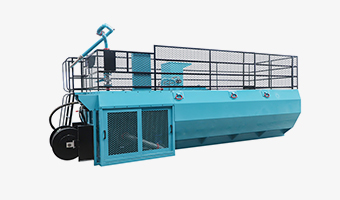
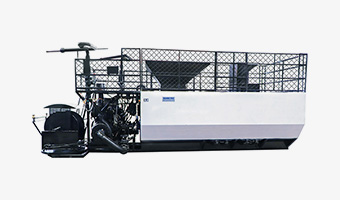
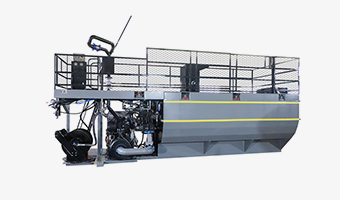
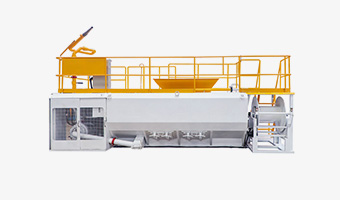
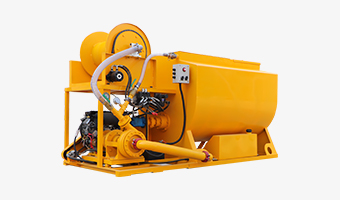
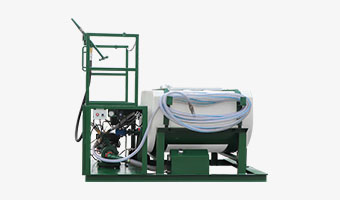
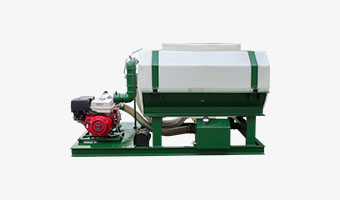
When purchasing a hydroseeding machine, customers often consider the following questions: Can the project-specified wood fiber and tackifiers be pumped smoothly? Will the material remaining in the hose clump together if work is halted due to rain? Will the equipment overload the local truck chassis? How many days of downtime will occur if a critical component fails?
These issues rarely appear in standard product brochures, yet they directly determine whether a large-scale hydroseeder is truly suitable for highway slope stabilization, mine site revegetation, and large-scale soil erosion control.
1: Can the hydroseeding machine pump the specific mixture the customer intends to use?
On-site operations typically involve pumping high-concentration slurries containing wood fiber mulch, grass seed, fertilizer, water-retaining agents, tackifiers, and sometimes even a proportion of soil.
Successful testing with clear water does not prove the equipment can reliably pump the customer's specific slope-seeding mixture.
Especially for projects involving BFM (Bonded Fiber Matrix), wood fiber, or high-viscosity soil-based mixtures, customers should verify the following with the manufacturer: How many bags of mulch can be added? What fiber lengths and types are permitted? Can the system restart after tackifiers are added? Can the material pass through the entire length of the hose and the specific nozzle being used?
The
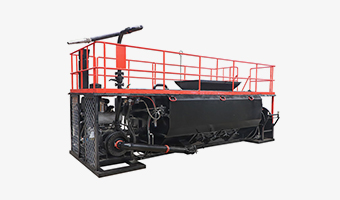
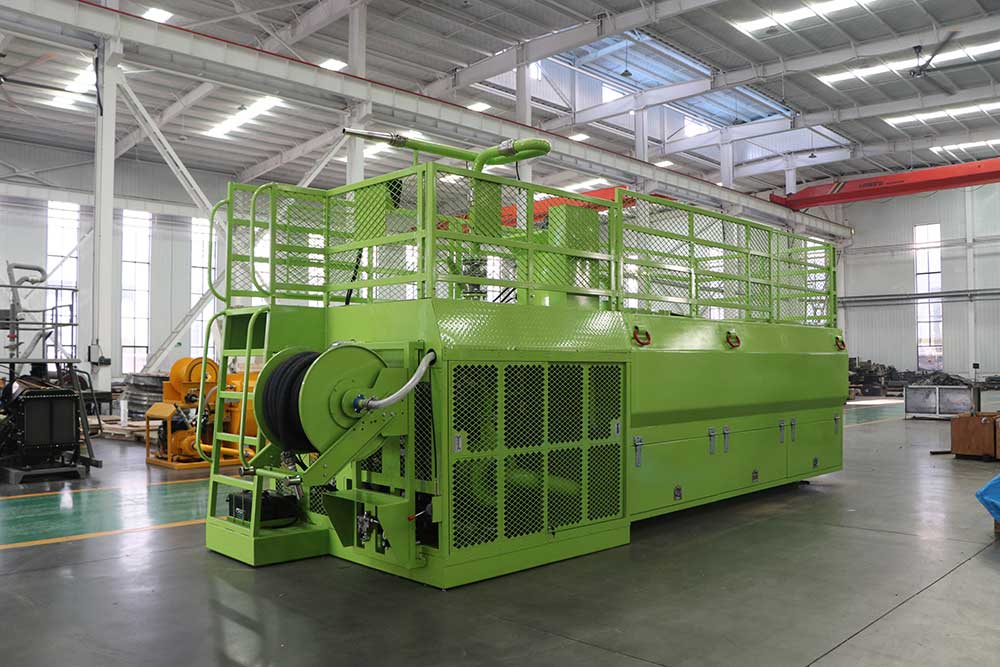
WODE HWHS10120 (10,000-liter capacity) hydroseeding machine features a design combining dual mechanical agitation with liquid recirculation, powered by a 120 kW water-cooled Cummins diesel engine and a specialized centrifugal pump. For non-standard hydroseeding materials, we recommend that customers provide the material name, technical data sheet, weight per bag, and planned mixing ratio prior to ordering.
2: Can the system restart after a mid-operation shutdown?
Slope seeding operations rarely proceed continuously from the first tank to the last. Vehicles must be repositioned, operators need to move, and work may be interrupted by rain, traffic controls, delays in water refilling, or disruptions in material supply.
Once mixed, wood fiber and tackifiers gradually absorb water and thicken. If this dense slurry sits in the hoses, valves, or nozzles for an extended period, restarting the flow can lead to unstable discharge or even blockages. Furthermore, as moisture evaporates from the hose, residual fibers may dry and harden against the inner walls. Therefore, professional buyers should ask manufacturers the following questions:
1. How does the permissible downtime relate to the material mix/recipe?
2. Is low-speed agitation required during work stoppages?
3. Can long hoses be circulated or flushed independently?
4. Upon restart, should the agitator or the pump be started first?
5. If the nozzle clogs, can it be quickly removed and cleared in a safe location?
There is no single answer to these questions that applies to every material mix. We can provide tailored operational recommendations based on the specific fibers, binders, hose lengths, and ambient temperatures involved, and train operators on loading, shutdown, and restart procedures prior to equipment delivery.
3: Who controls the hydroseeding machine when the truck cannot get close to the slope surface?
In standard landscaping projects, the equipment can often be parked right next to the application area; however, for projects involving high highway slopes, mining benches, railway cuttings, or retaining walls, the truck is often restricted to parking at the top or bottom of the slope, or on a temporary access road.
In such cases, spray distance is only part of the equation. Clients must also consider whether the nozzle operator and the equipment operator can communicate effectively in real-time.
When one worker is handling the hose at a distance, another may need to control pumping and agitation at the machine itself. If they cannot see each other, delays can occur during startup, shutdown, and flow rate adjustments. Furthermore, the drag from the hose on the slope can affect the operator's stability and the uniformity of the applied layer.
The
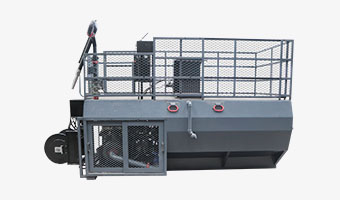
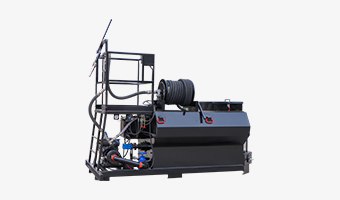
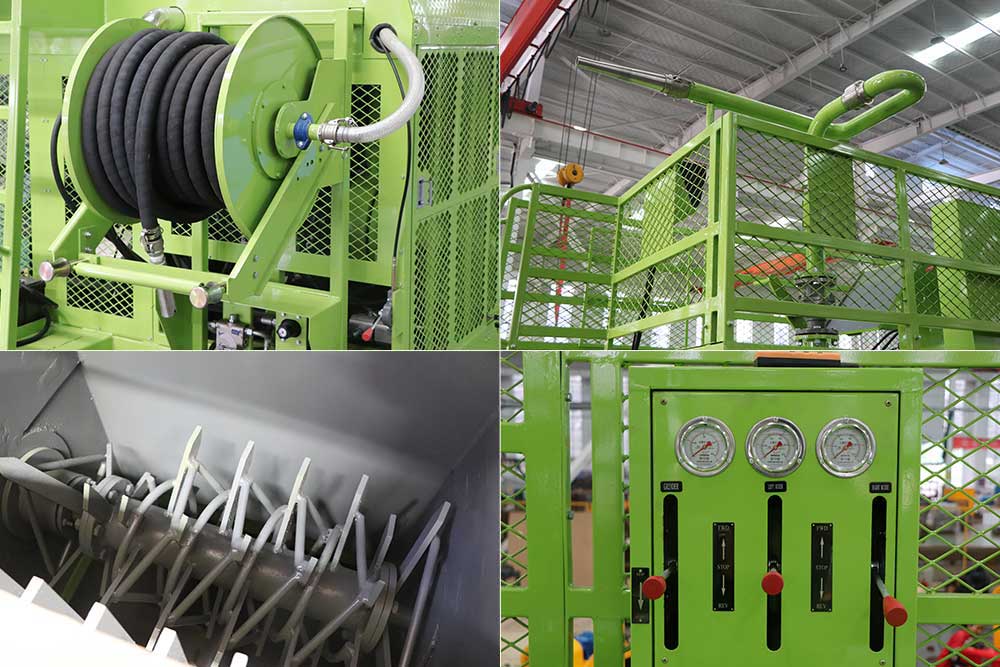
HWHS10120 hydroseeding machine can be configured with a fixed standing spray gun, a pipeline-mounted gun, a rotating hydraulic hose reel, and a wireless remote control system. For projects with narrow access roads, tiered slopes, or sites where vehicles can only park on one side, WODE can customize the positioning of the spray gun, hose reel, and operator station based on the actual workflow, rather than simply providing a standard, fixed layout.
When inquiring, it is best for clients to provide a site plan indicating vehicle parking locations, slope height and width, and any obstacles. This allows us to determine whether the project relies primarily on a fixed spray gun or requires extending the hose to reach distant work areas.
4: Can the hydroseeding machine be mounted on a truck the client already owns?
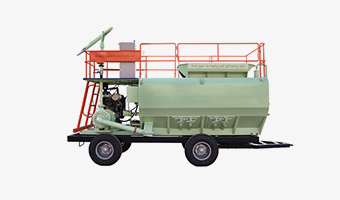
Once filled with water and hydroseeding materials, a large hydroseeding machine weighs significantly more than it does when empty. Beyond the vehicle's gross vehicle weight rating (GVWR), one must verify front and rear axle loads, wheelbase, the distance from the cab to the rear axle, platform length, the equipment's center of gravity, and local road regulations. The weight of hose reels, tools, spare materials, and personnel must also be factored in.
If only the truck's total load capacity is confirmed without calculating front and rear axle loads, installing the hydroseeding machine could still result in issues such as rear axle overloading, compromised steering performance, or improper stress distribution on the chassis frame.
The
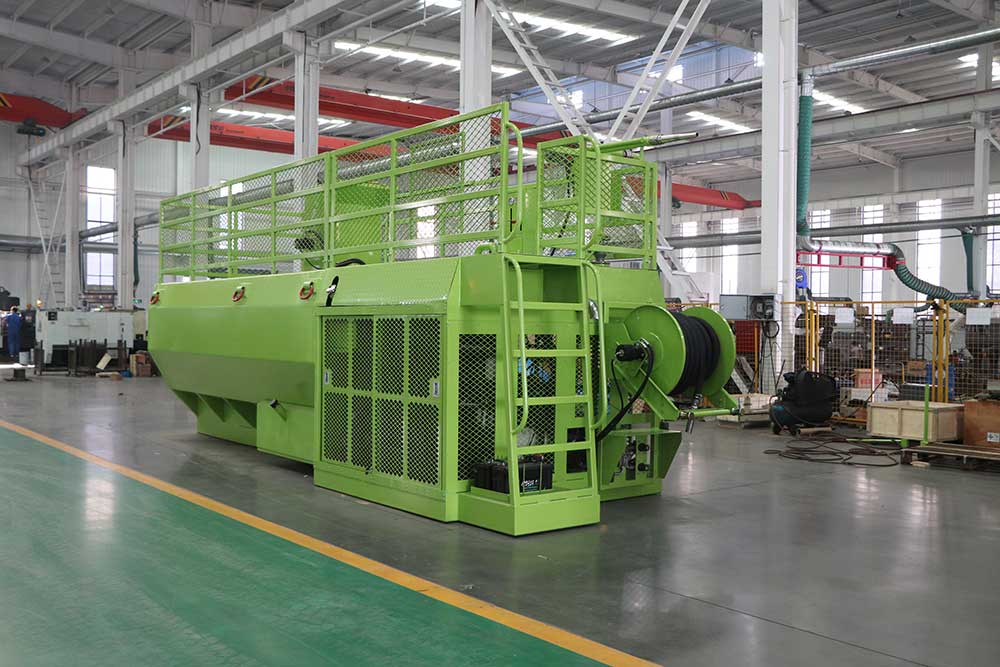
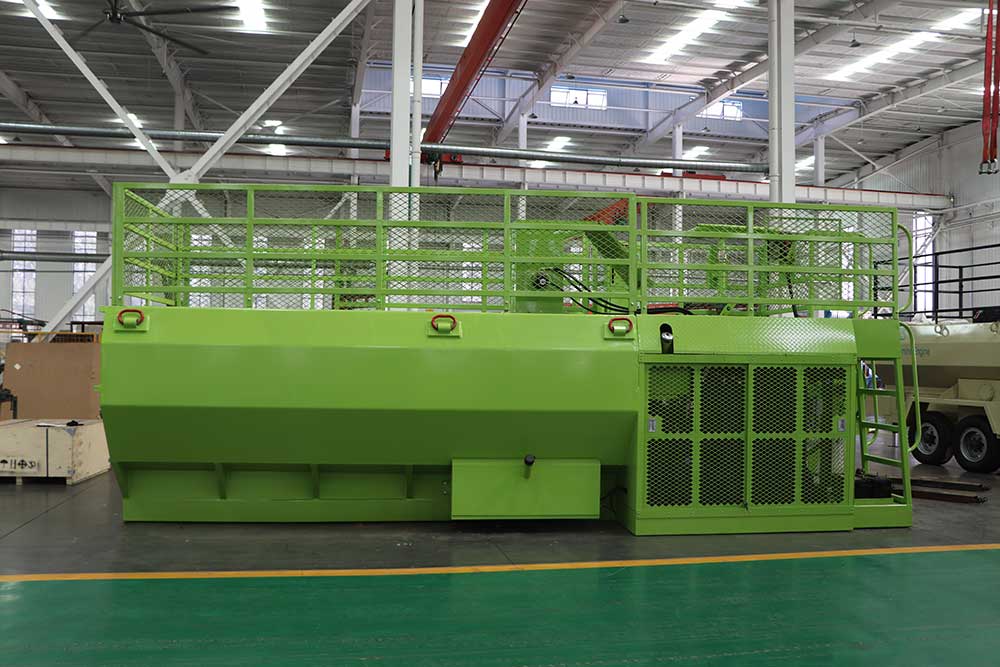
HWHS10120 hydroseeding machine measures 6,750 × 2,200 × 2,510 mm, has a dry weight of approximately 5,500 kg, and an operating capacity of 8,950 L. Customers planning to use an existing chassis can provide WODE with the truck model, wheelbase, GVWR, front and rear axle load ratings, and chassis drawings. The factory will then verify the installation space against the equipment's structure and discuss mounting methods, the orientation of the operating platform, and the layout of accessories.
If a truck has not yet been purchased, it is recommended to finalize the hydroseeding machine specifications before selecting the chassis, rather than buying a vehicle first and then requiring the equipment to fit into a limited installation space.
5: How long does it take to clean the equipment at the end of the day?
Cleaning time is an operational cost often underestimated with large hydroseeding machines.
For projects on remote slopes, water for operations may need to be transported by water trucks. If insufficient clean water is reserved at the end of a shift, residual slurry in the tank bottom, circulation piping, valves, pumps, and long hoses may not be completely flushed out. Residue containing fertilizer, lime, or binders can cause blockages and accelerate the corrosion of internal components.
Therefore, before purchasing, customers should ask to see the actual cleaning process rather than just watching videos of the hydroseeding machine spraying. Key areas to inspect include whether there are hard-to-flush spots at the tank bottom, whether the discharge outlet is easy to operate, whether hoses can be fully extended and drained, and whether pumps and valves are easily accessible for inspection.
For cold regions, it is also essential to confirm that water can be fully drained from the pump body, piping, and hose reels to prevent freeze damage while the hydroseeding machine is parked. For projects involving the long-term use of fertilizers, high-salinity water sources, or corrosive additives, a customized stainless steel structure may be considered; however, stainless steel construction does not eliminate the need for standard post-shift cleaning.
What other after-sales details should overseas customers confirm in advance?
During the contract stage, customers should confirm the list of wear parts, recommended inventory levels, parts diagrams, video guidance methods, and lead times for key components. It is advisable to keep a set of on-site spare parts—such as pump seals, valve seals, nozzles, hose couplings, and other high-wear items—alongside the hydroseeding machine.
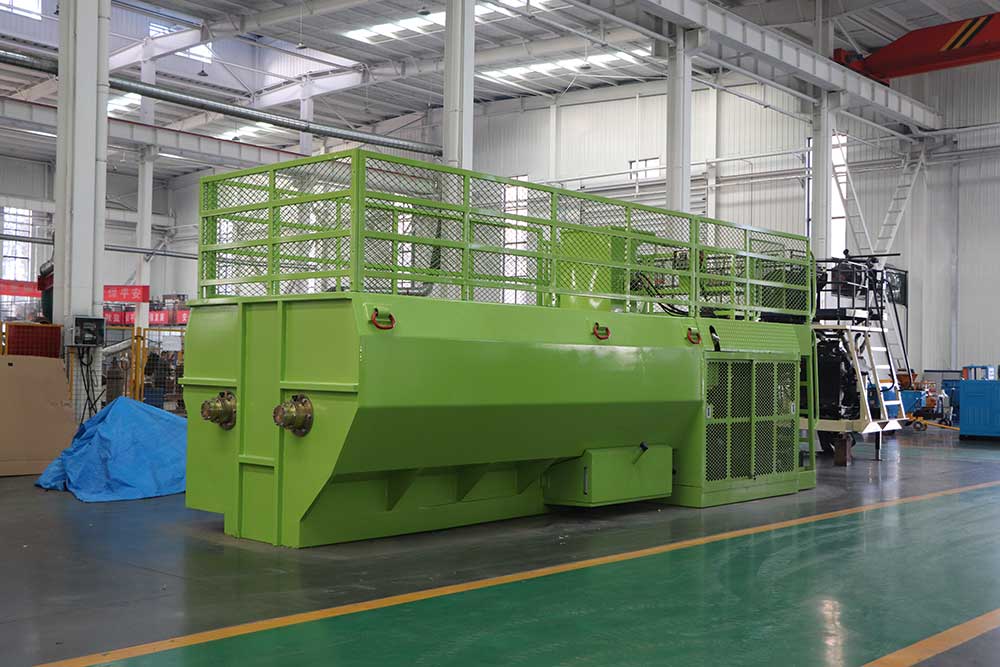
WODE operates a production facility spanning approximately 10,000 square meters, holds over a dozen patents, and exports products to more than 120 countries and regions. Leveraging our in-house manufacturing and assembly capabilities, we can tailor equipment configurations—adjusting for factors such as the customer's hydroseeding materials, truck chassis, spraying distance, climatic conditions, and operational habits—rather than simply changing the machine's color.
If you are looking for a
diesel-powered soil hydroseeding machine truck for slope protection, please include details such as the project location (country) and slope height in your inquiry. WODE engineers will recommend the most suitable hydroseeding machine based on your specific operating conditions.