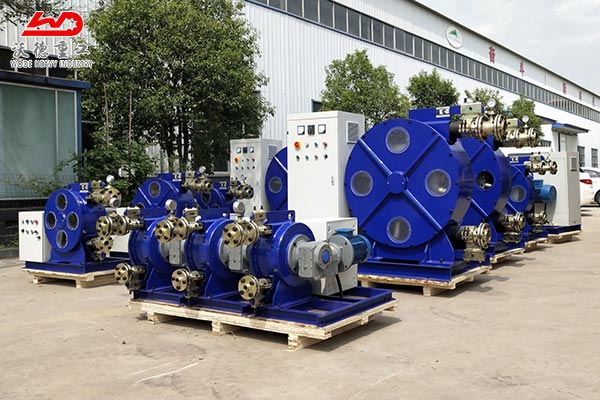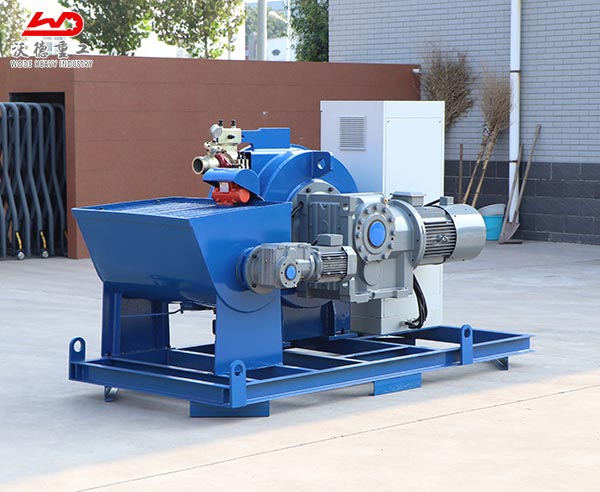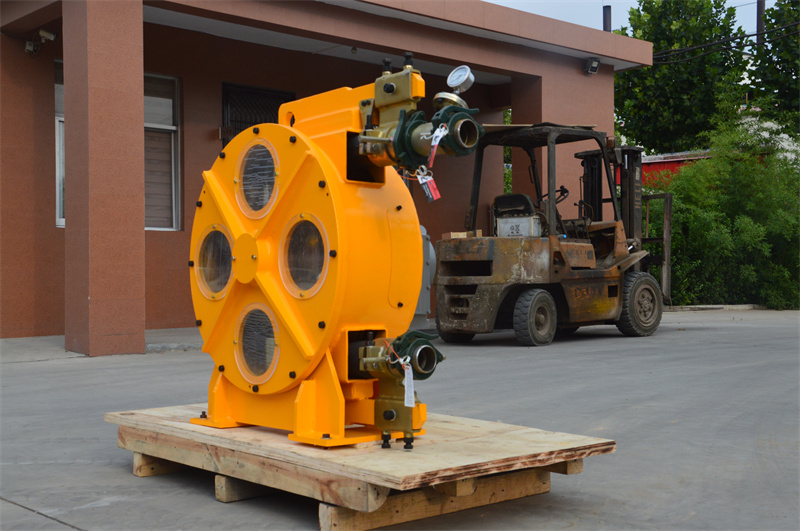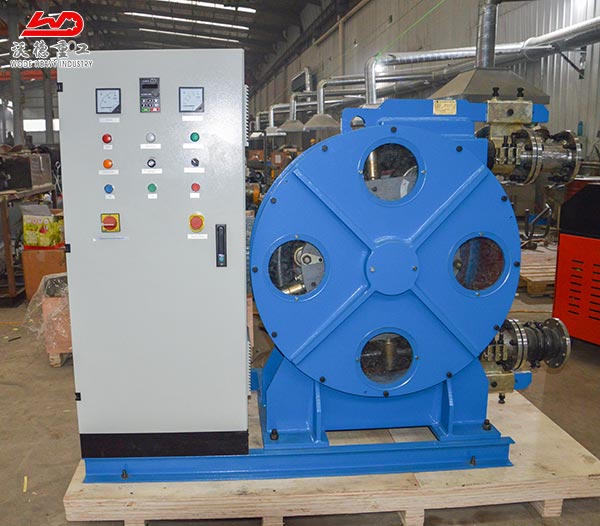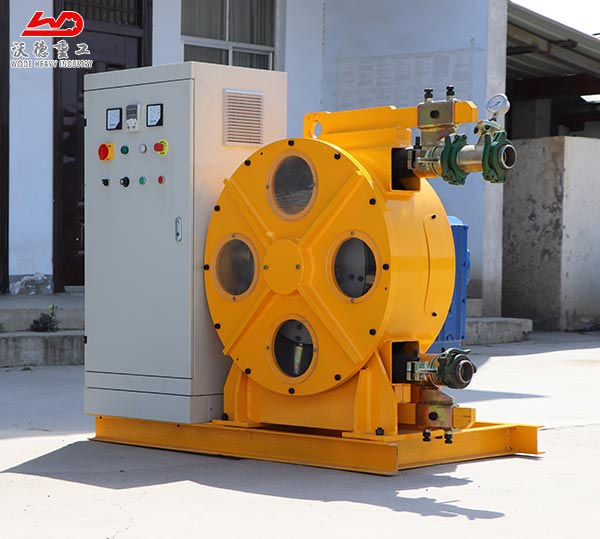
How to Select a Hose Type Concrete Pump for Mold Filling
In precast component, decorative concrete products, lightweight wall panels, concrete fence bases, and other mold-casting projects, selecting the appropriate Hose-Type Concrete Pump directly impacts mold filling speed, pouring uniformity, finished product quality, and production efficiency. Unlike ordinary on-site concrete delivery, mold filling typically requires equipment capable of continuously and stably controlling material output and delivering it to corners, narrow areas, or multiple pouring points within the mold.
In the production of concrete fence bases, lightweight wall panels, precast components, artificial stone, and irregularly shaped cement products, mold filling requires not only high conveying efficiency but also continuous discharge, controllable flow rate, and the ability to evenly deliver material to mold corners and narrow areas. Therefore, selecting a suitable Hose Type Concrete Pump is crucial for improving finished product quality, shortening production cycles, and reducing labor costs.
1. Confirm Material Suitability for Hose Pump Delivery
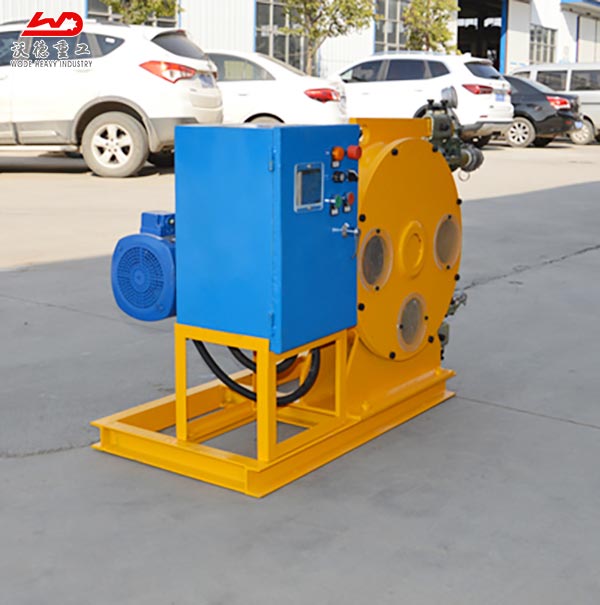
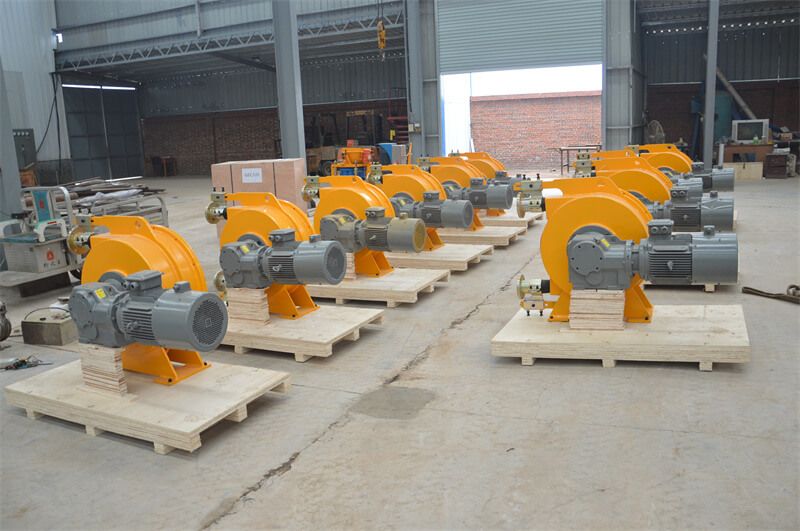
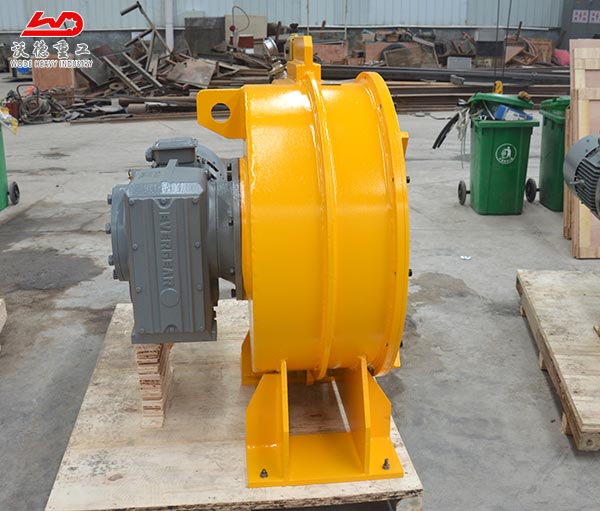
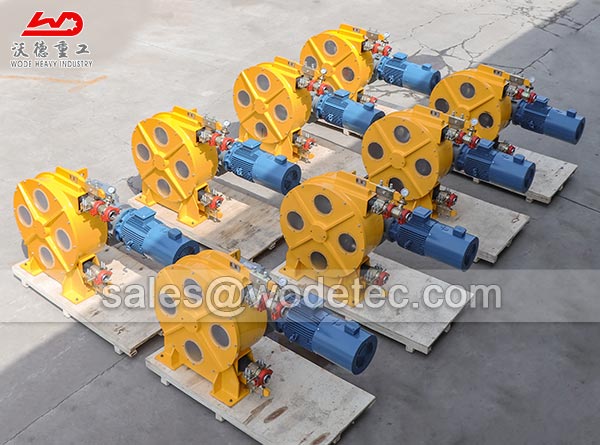
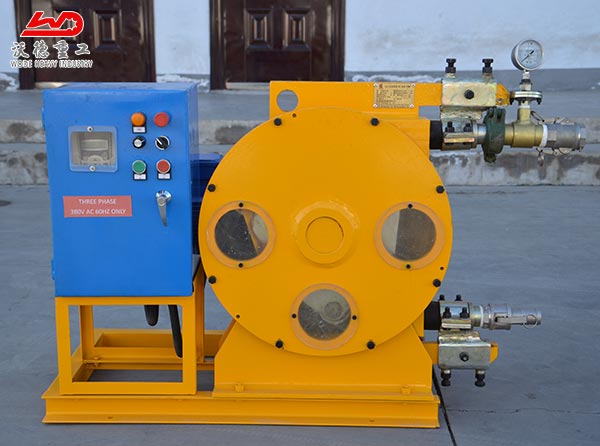
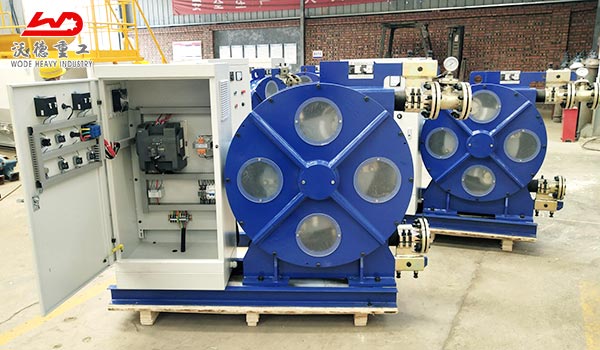
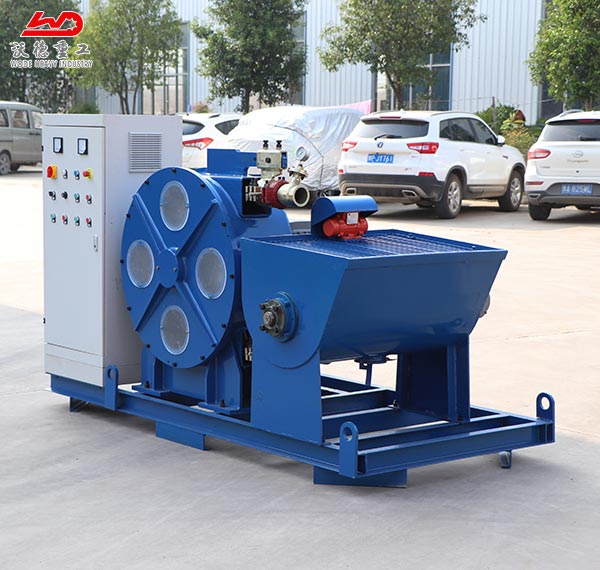
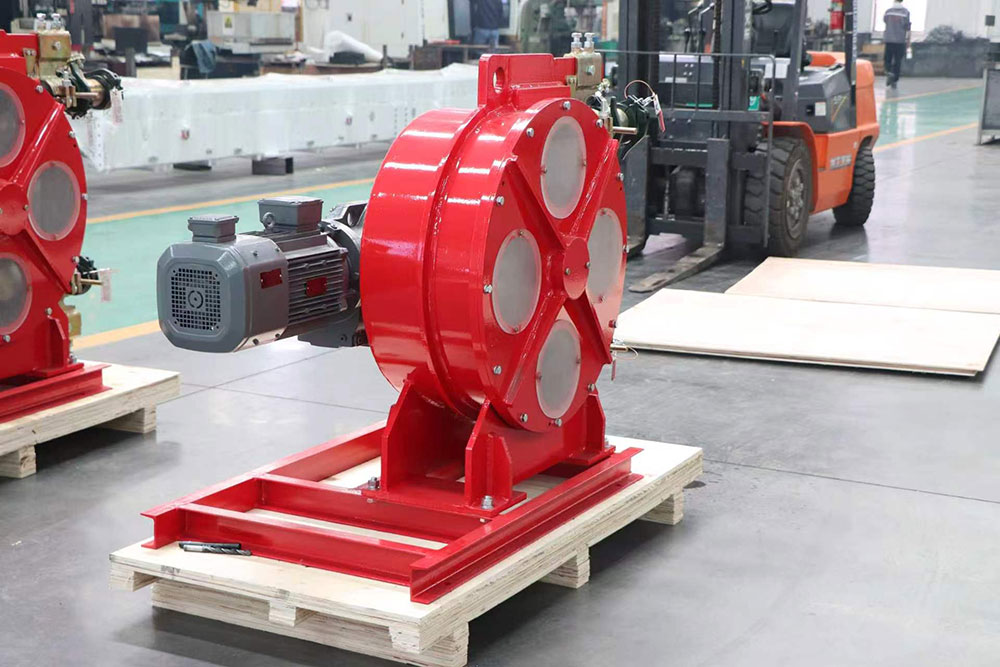
Hose type concrete pumps use rollers or pressure shoes to continuously compress and reinforce the hose, creating suction inside the pump tube and propelling the material forward. During pumping, the material primarily contacts the inner wall of the hose, eliminating the need for complex valves and mechanical seals.
This equipment is typically suitable for conveying:
Foamed concrete;
Porous concrete;
Lightweight concrete;
Cement mortar;
Fine aggregate concrete;
Flowable grouting materials;
Cement-based slurries containing fine particles.
If the material contains large-diameter aggregates, lacks fluidity, or sets rapidly, a pumpability assessment should be conducted beforehand to avoid problems such as suction difficulties, pump tube blockage, or discontinuous discharge.
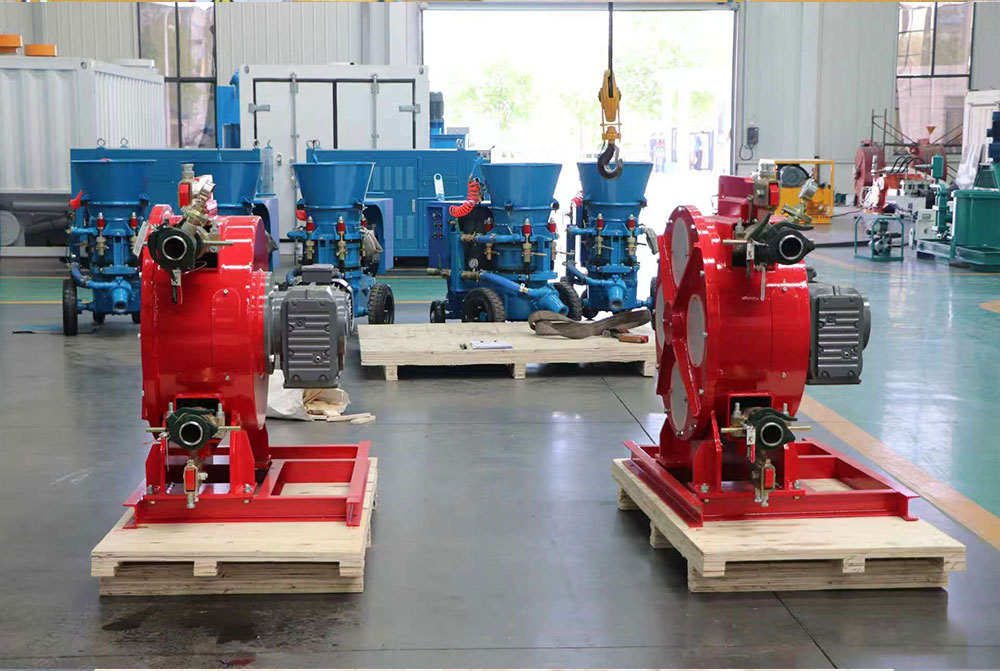
2. Determine the Maximum Aggregate Size
The maximum aggregate size is a crucial factor in selecting the pump pipe inner diameter and equipment specifications. Excessively large aggregates or uneven particle distribution can increase pumping resistance and cause pipe blockage and excessive pump pipe wear.
Customers should provide the following material information before selection:
The ratio of cement, sand, water, and additives;
The type and maximum aggregate size;
The material’s wet density and flowability;
Whether it contains fibers or other solid particles;
The material’s initial setting time.
Our engineers can use this information to determine if the material is suitable for transport using a permanent concrete pump and recommend the appropriate pump pipe specifications.
3. Select the Flow Rate Based on Mold Volume
The flow rate of the flexible pump should be matched to the mold volume, filling time, and production cycle.
For example, small molds and complex irregular molds require a stable and precise low flow rate output to avoid material splashing, overflow, or overfilling; large molds and continuous production lines require higher conveying capacity to ensure hourly output.
The pumping capacity should be coordinated with the mixing system to avoid insufficient material supply due to excessive pumping capacity, or production efficiency being affected by insufficient pumping capacity.
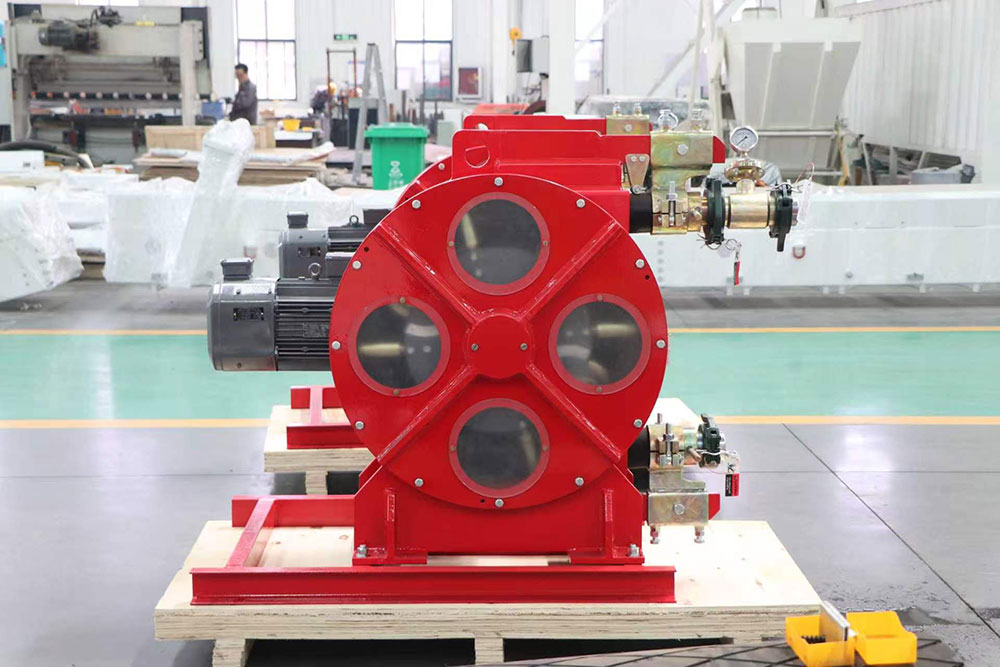
4. Determine the pumping pressure based on the conveying distance
The pumping pressure needs to be selected based on the site piping conditions, mainly including:
Horizontal conveying distance;
Vertical lifting height;
Total length of the conveying hose;
Hose inner diameter;
Number of pipe bends;
Material viscosity and flowability.
The longer the conveying distance, the greater the vertical height, and the more bends, the higher the required pumping pressure generally needs to be. A reasonable pipeline layout can reduce conveying resistance; therefore, the pipeline length should be minimized, sharp bends reduced, and hoses should be protected from compression or excessive bending at the construction site.
5. Select an adjustable discharge system
The hose pump for concrete used for mold filling should have good flow rate adjustment capabilities. By using frequency converter control or adjusting the pumping speed, operators can control the discharge volume according to the size and structure of the mold.
In the initial stage of mold filling, a higher flow rate can be used to improve efficiency; when approaching the top of the mold or filling the corners, the flow rate can be reduced to minimize material overflow, splashing, and waste. The equipment can also be configured with forward/reverse control, remote operation, or quantitative delivery functions according to project requirements, making mold filling more convenient.
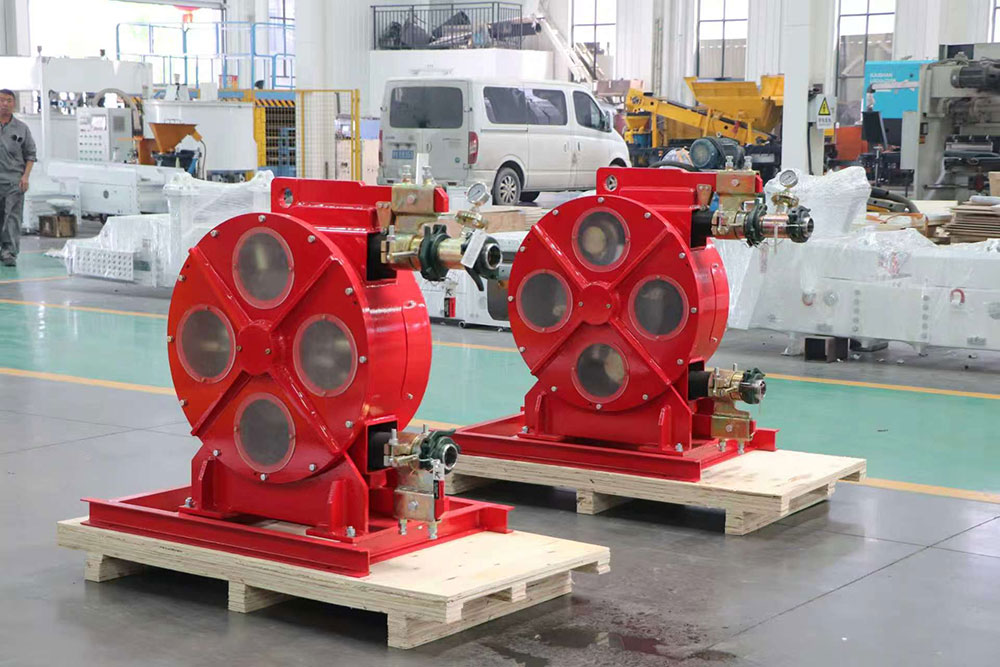
6. Pay attention to pump pipe material and service life
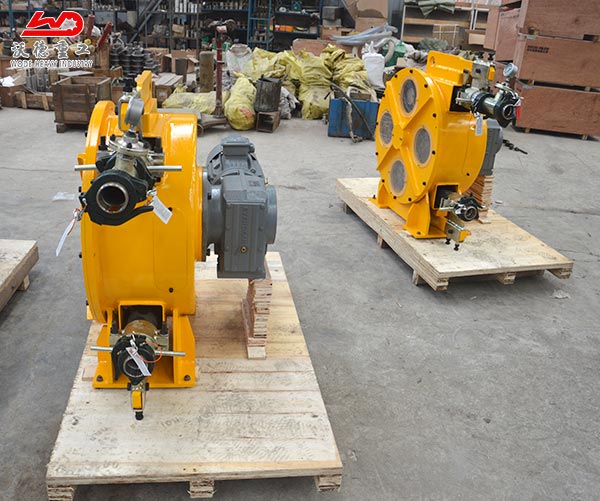
The pump pipe is the core component of the flexible concrete pump and also a major wear part. Choosing appropriate pump pipe material and specifications can improve equipment operational stability and reduce maintenance costs. After each construction period, the pump pipe and delivery pipeline should be cleaned promptly to prevent residual material from solidifying and causing blockages.
7. Confirm on-site power supply and control requirements
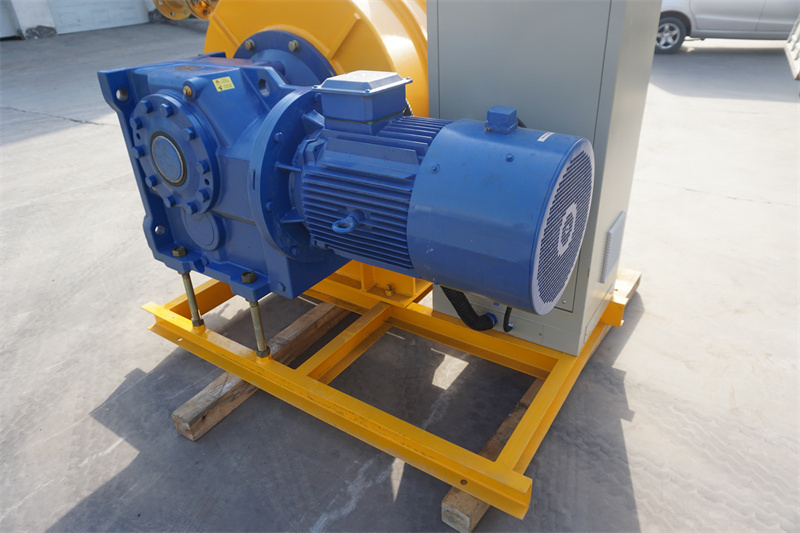
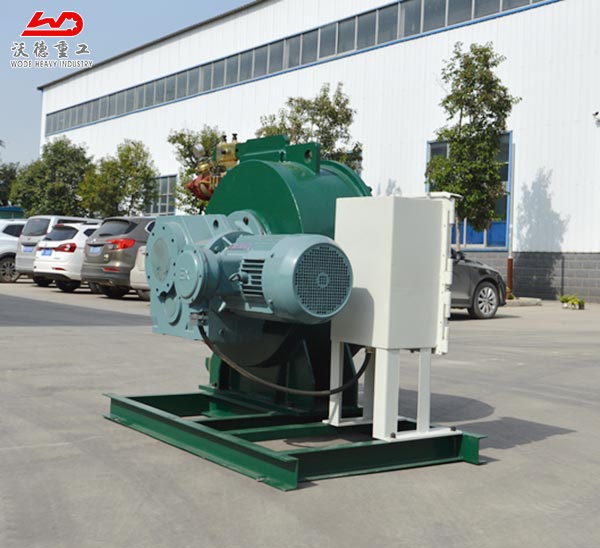
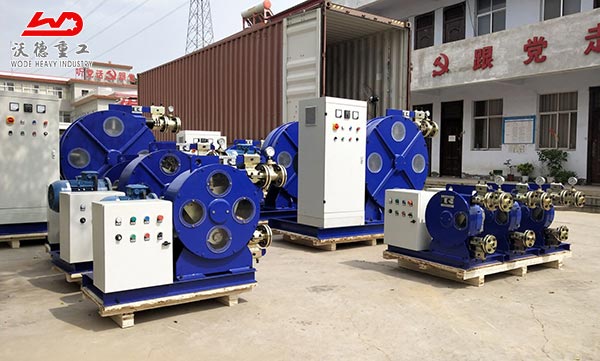
Voltage, frequency, and power supply conditions may vary in different countries and construction sites. We can reasonably configure the motor, control cabinet, interfaces, and chassis structure according to the power standards and production methods of the customer’s location.
8. Typical Mold Filling Applications
Our Hose-Type Concrete Pump can be used in the following production scenarios:
Concrete fence panels, bases, and column molds;
Foamed concrete block and wall panel production;
Lightweight precast concrete components;
Decorative cement products and artificial stone molds;
Filling narrow molds and complex cavities;
Cement mortar and fine aggregate slurry pouring;
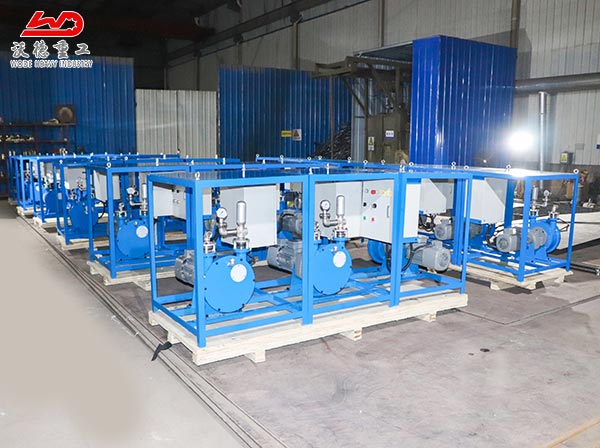
Multi-station continuous mold filling production lines.
Compared to manual feeding, the hose-type concrete pump can continuously deliver material from the mixing tank to the mold location, reducing manual handling and material waste. Its self-priming capability, adjustable flow rate, and relatively smooth delivery process help improve mold filling efficiency and finished product consistency.
9. What parameters are required before requesting a quote?
To recommend a more suitable mold-filling concrete pump, please provide us with the following information:
1. Name and formulation of the material to be conveyed;
2. Maximum aggregate size;
3. Wet density, viscosity, or flowability of the material;
4. Volume of a single mold;
5. Horizontal conveying distance;
6. Vertical conveying height;
7. Local voltage and frequency.
Based on these project parameters, our engineers can assess the pumpability of the material, determine the appropriate flow rate, pressure, pump tubing diameter, motor power, and control method, and provide a complete mold-filling solution including hoses, fittings, discharge devices, and consumable parts.