Why Hose Pumps Are Suitable for Cellular Concrete Transfer
Compared to some high-speed rotary conveying equipment, the perislical hose pump delivers materials in a relatively gentler manner, reducing the damage to the bubble structure caused by excessive shearing. By properly controlling the rotational speed, delivery pressure, and pipeline layout, it can help maintain a more stable wet density and uniformity in foamed concrete, reducing the risks of discharge density fluctuations, material segregation, and decreased pumpability.
Cellular concrete is widely used in roof insulation, floor backfilling, wall filling, tunnel cavity grouting, and soft soil foundation treatment projects due to its lightweight, good insulation, and high fluidity. However, this material contains a large number of uniform air bubbles, making it susceptible to mechanical shear and pressure fluctuations during transport. Inappropriate pump selection can lead to foam breakage, slurry segregation, density changes, or unstable discharge. Therefore, the conveying equipment needs not only sufficient flow rate and pressure but also to maintain a smooth, low-shear pumping process as much as possible.
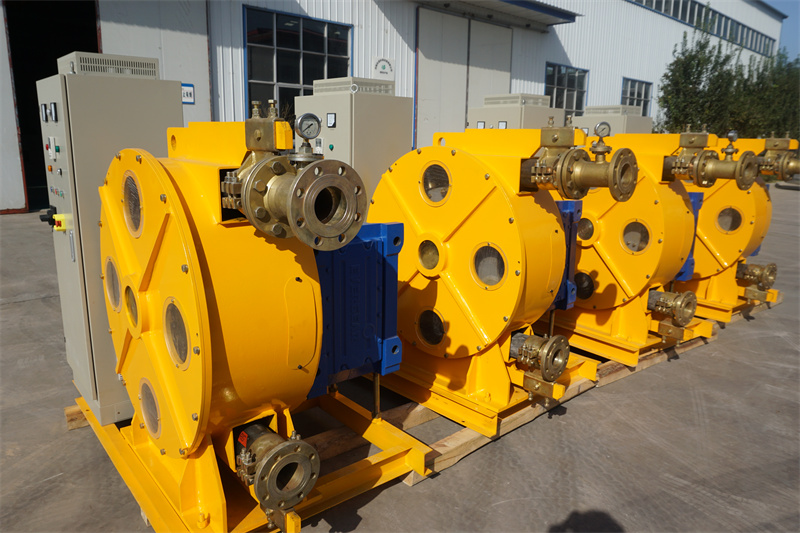
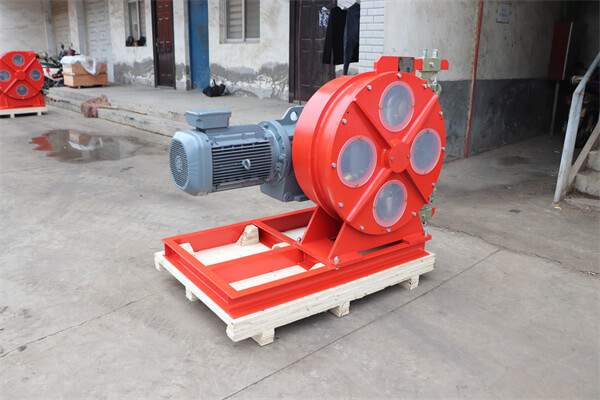
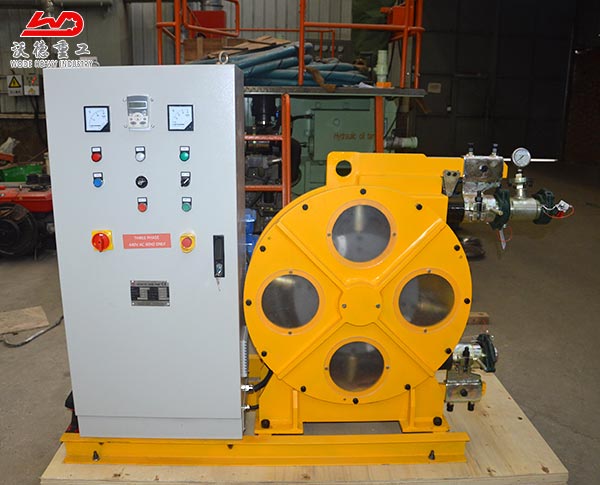
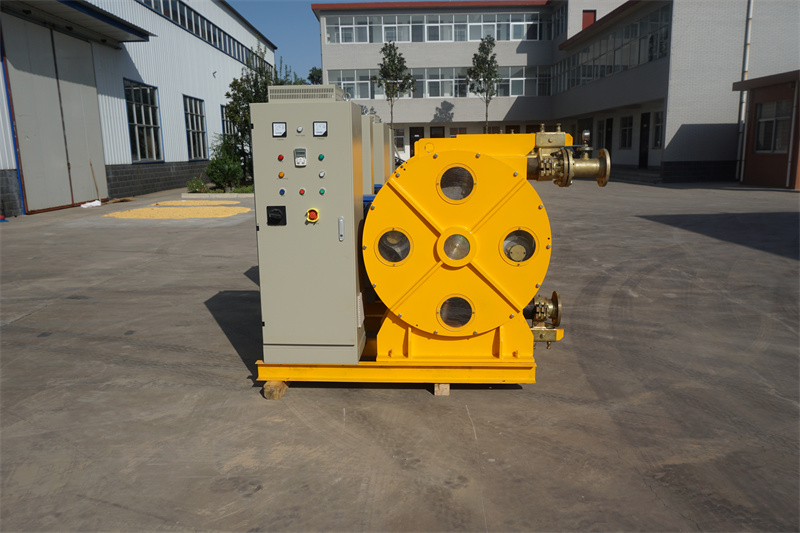
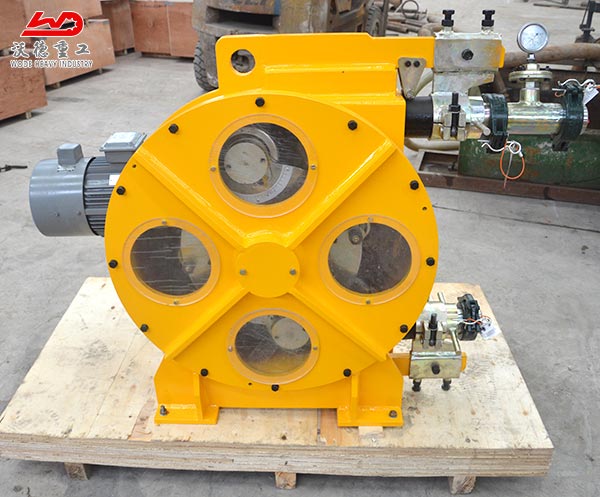
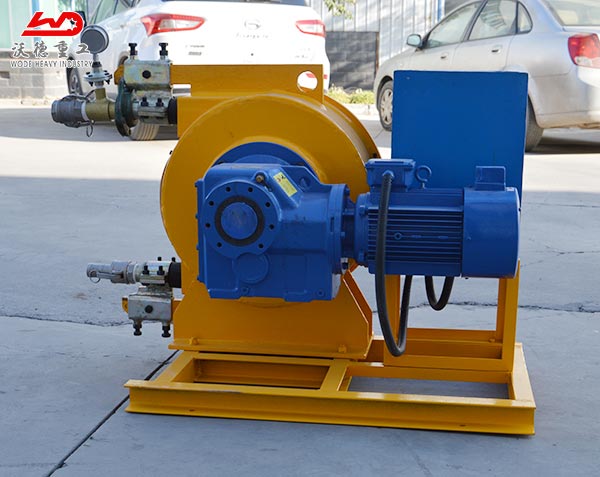
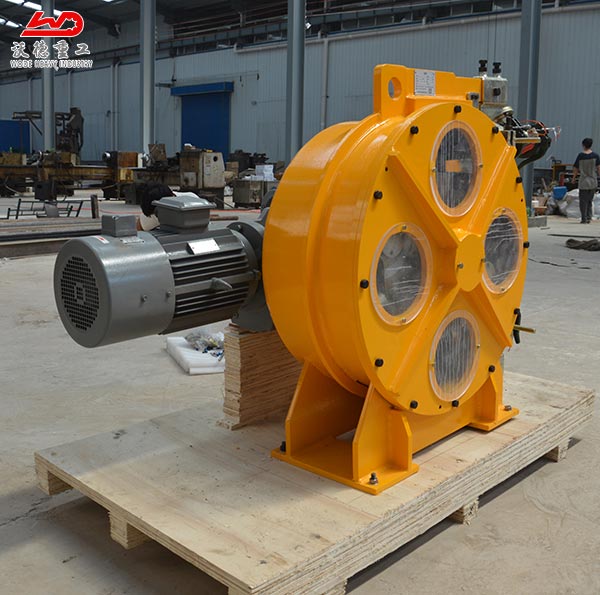
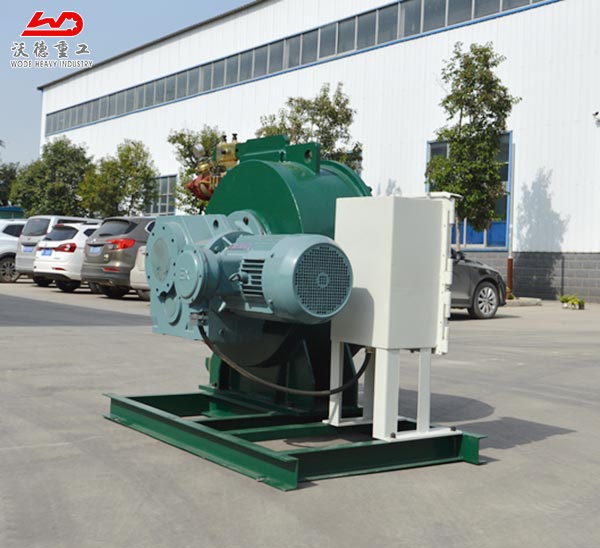
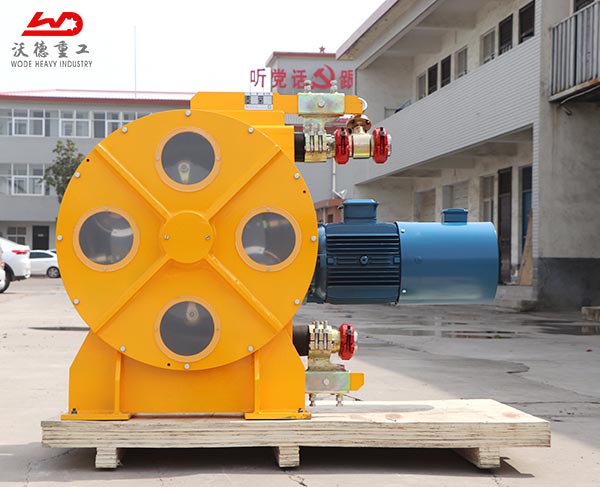
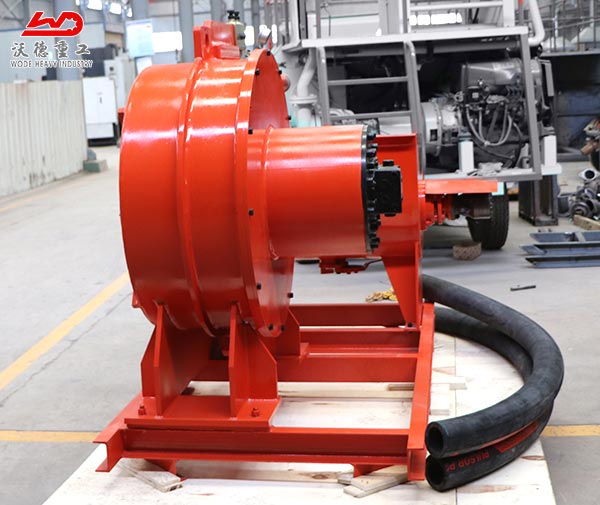
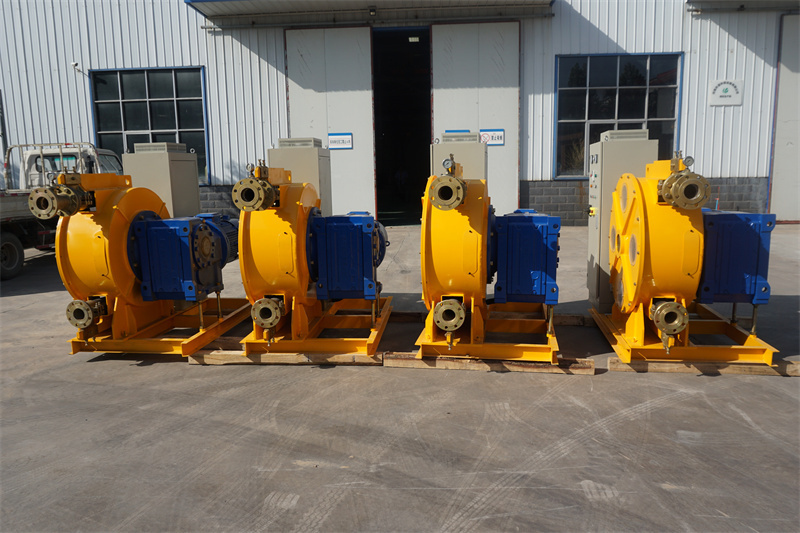
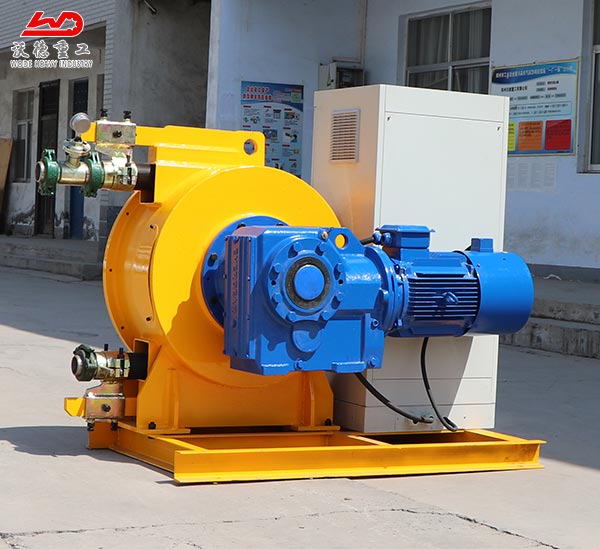
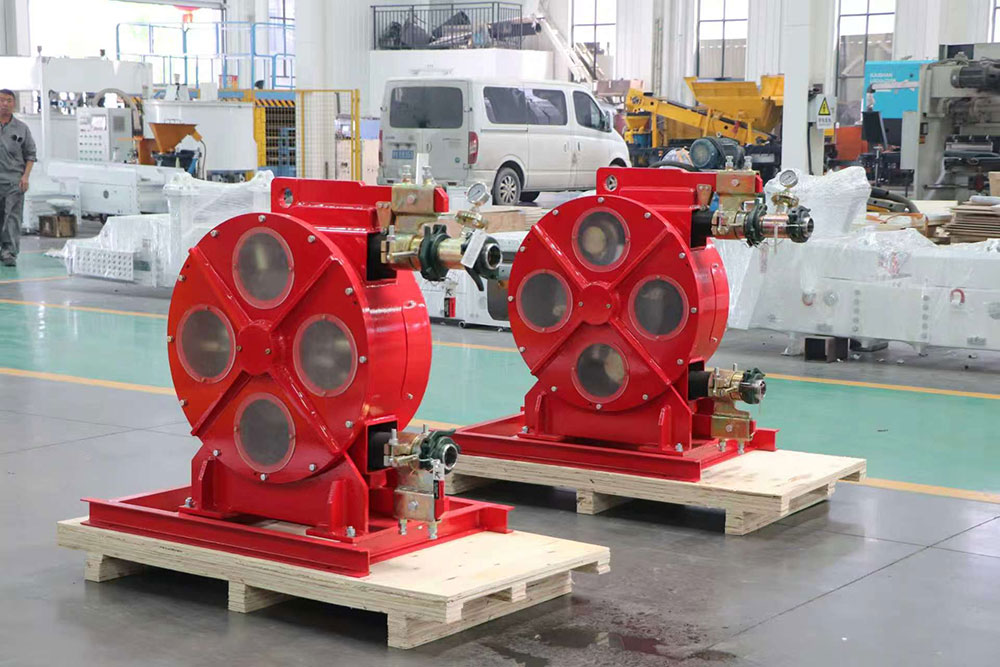
Hose pumps use rollers or pressure shoes to periodically squeeze and reinforce the hose, creating negative pressure inside the hose and propelling the material forward. Throughout the pumping process, the material typically only contacts the inner wall of the pump tube, eliminating the need for complex valves and mechanical seals. This working principle allows it to transport slurry materials with a certain viscosity, containing small particles, or easily settling, making it suitable for foamed concrete, foamed cement slurry, lightweight mortar, and other pumpable building slurries.
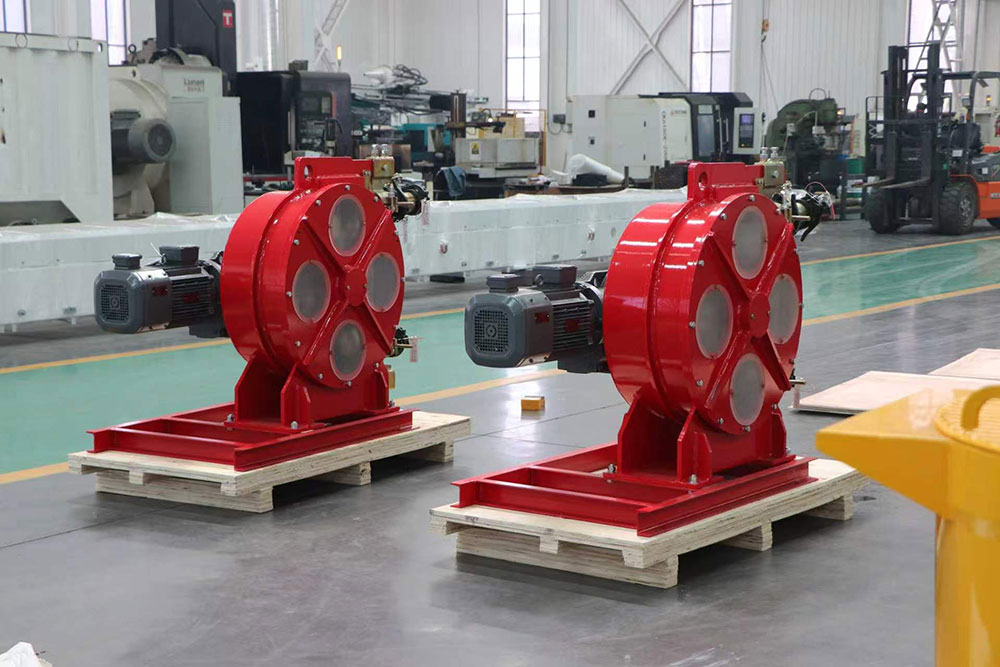
Compared to some high-speed rotary conveying equipment, the perislical hose pump delivers materials in a relatively gentler manner, reducing the damage to the bubble structure caused by excessive shearing. By properly controlling the rotational speed, delivery pressure, and pipeline layout, it can help maintain a more stable wet density and uniformity in foamed concrete, reducing the risks of discharge density fluctuations, material segregation, and decreased pumpability.
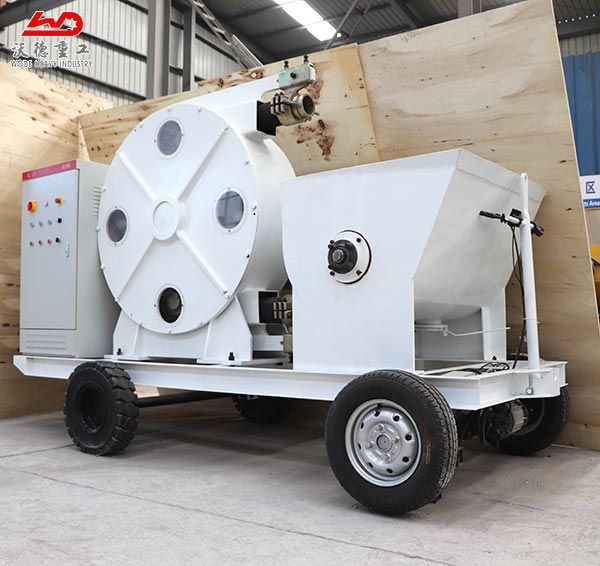
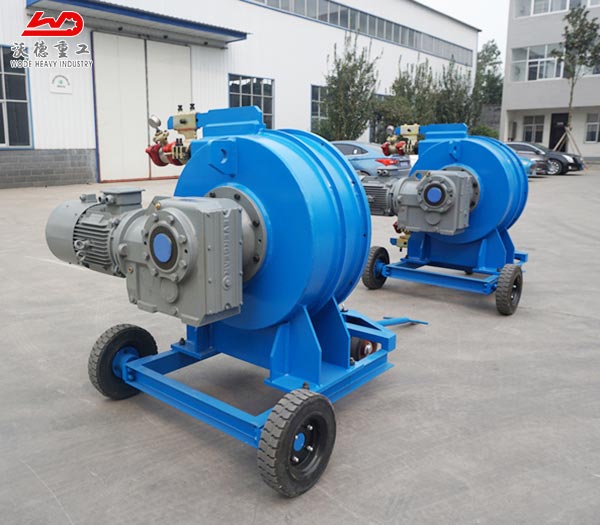
The hose pump also has good self-priming capabilities, enabling it to draw materials from mixing tanks or storage containers and deliver them to the designated construction location. The equipment can be used for horizontal conveying, vertical lifting, and continuous pouring, depending on project needs, and is particularly suitable for high-rise buildings, underground spaces, tunnels, mines, and narrow construction areas where vehicles cannot directly access them. By configuring the delivery hose of appropriate length, manual handling can be reduced, improving on-site construction efficiency.
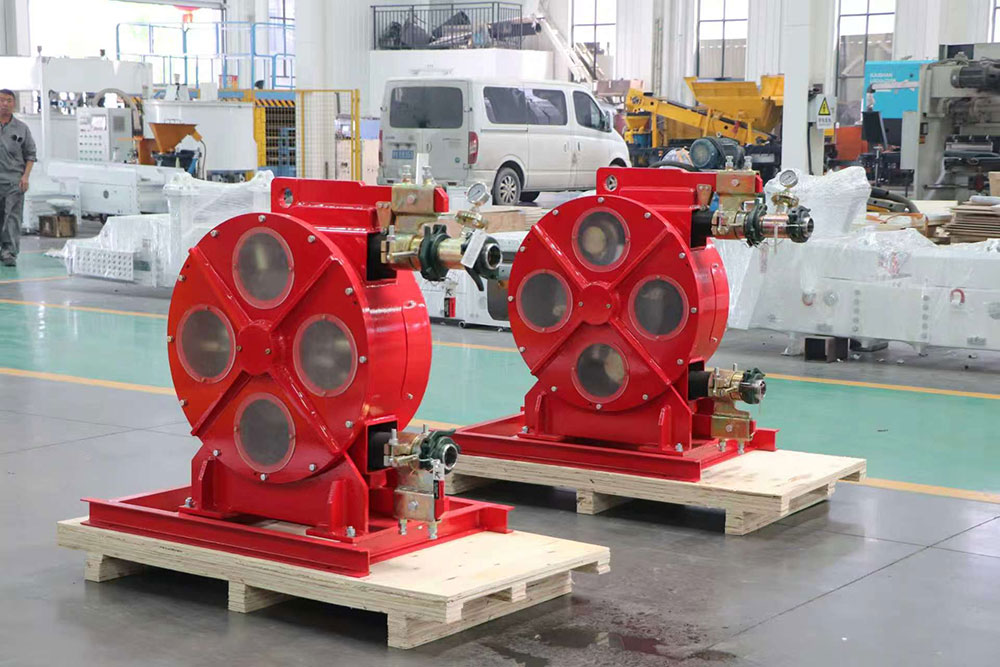
Since the material does not directly contact most of the mechanical components inside the pump body, the hose pump also has certain advantages when conveying abrasive slurries. Its main wear parts are usually the pump tubing, and maintenance does not require disassembly of complex valve assemblies and sealing structures, helping to shorten equipment maintenance time. Hose pumps can also adjust the flow rate by changing the rotation speed, allowing construction personnel to control the discharge according to the production speed and on-site pouring progress of foamed concrete.
When selecting a hose pump for foamed concrete, it is necessary to comprehensively consider the material’s wet density, viscosity, maximum aggregate size, foam stability, target delivery volume, vertical height, horizontal distance, pipe diameter, and daily working hours. Excessive pumping pressure, insufficient pipe diameter, or too many bends in the pipeline can increase delivery resistance and affect bubble integrity. Therefore, the pump type, rotation speed, and pipeline configuration should be rationally determined based on the specific formula and construction conditions.
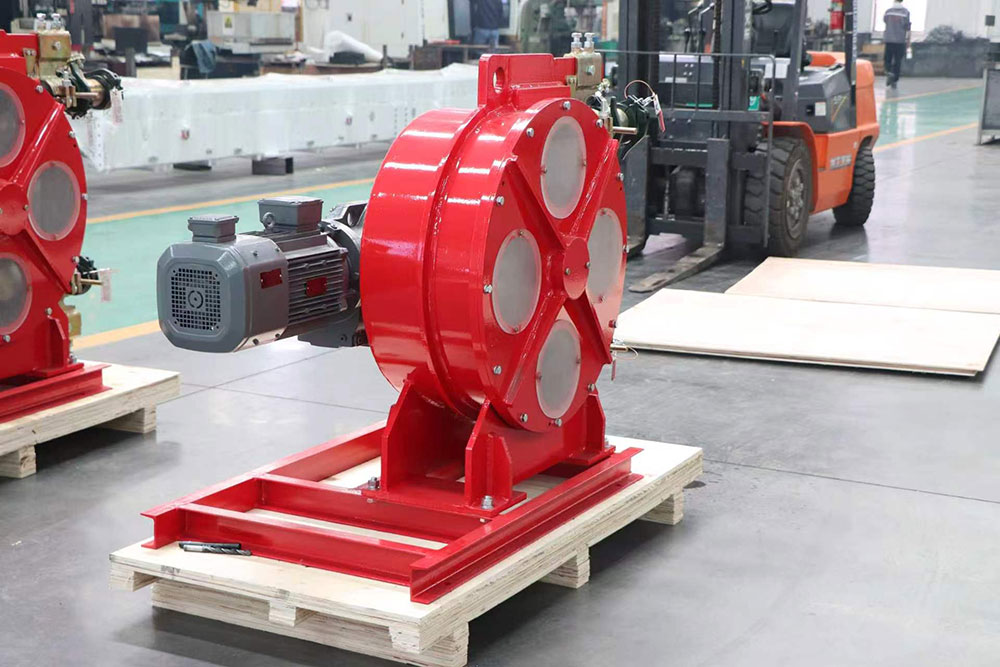
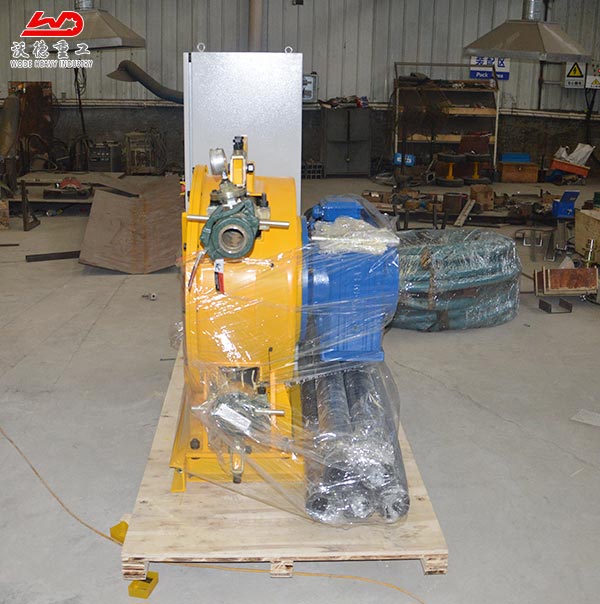
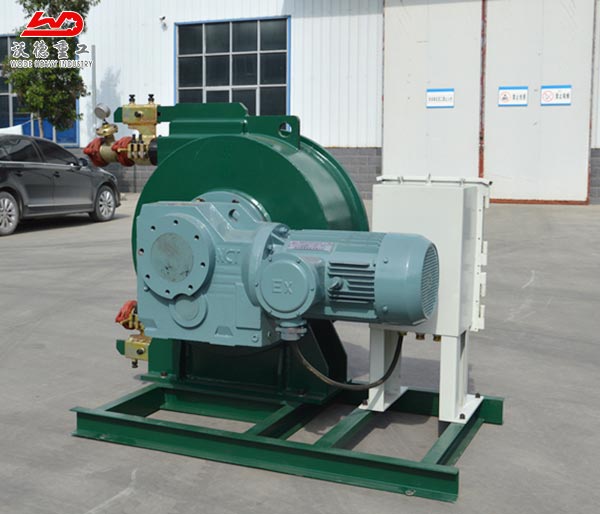
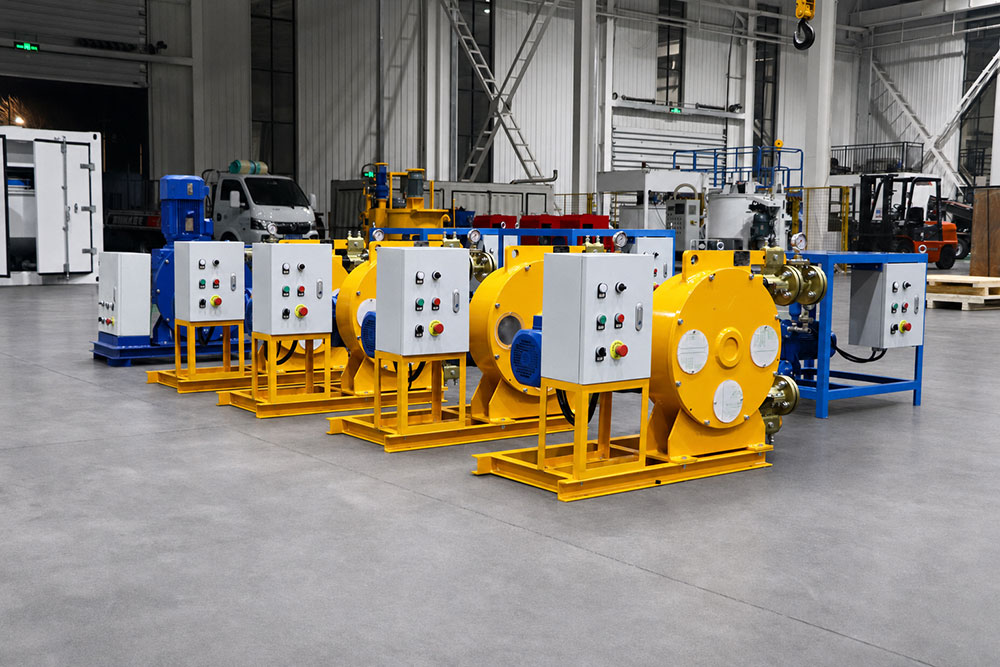
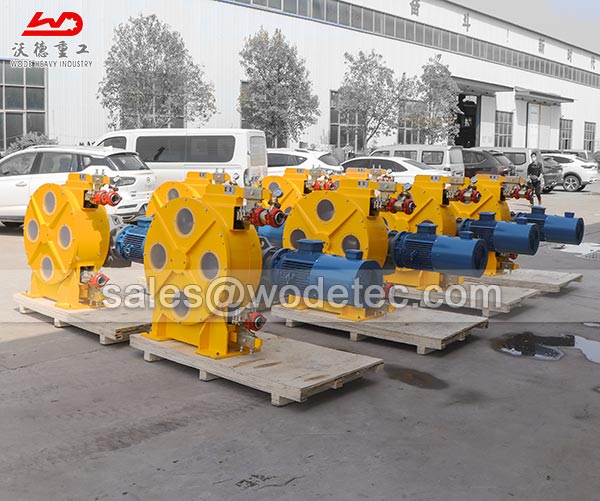
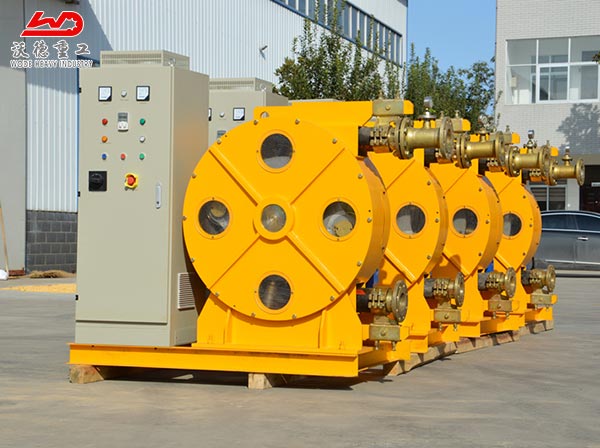
Our engineers can recommend a suitable hose pump for cellular concrete based on the material parameters and site conditions provided by the customer, and assist in configuring the delivery hose, interfaces, control system, and related accessories. The equipment’s flow rate, drive method, control method, and operating voltage can also be matched according to project requirements, providing a stable, efficient, and easy-to-maintain delivery solution for foamed concrete projects.