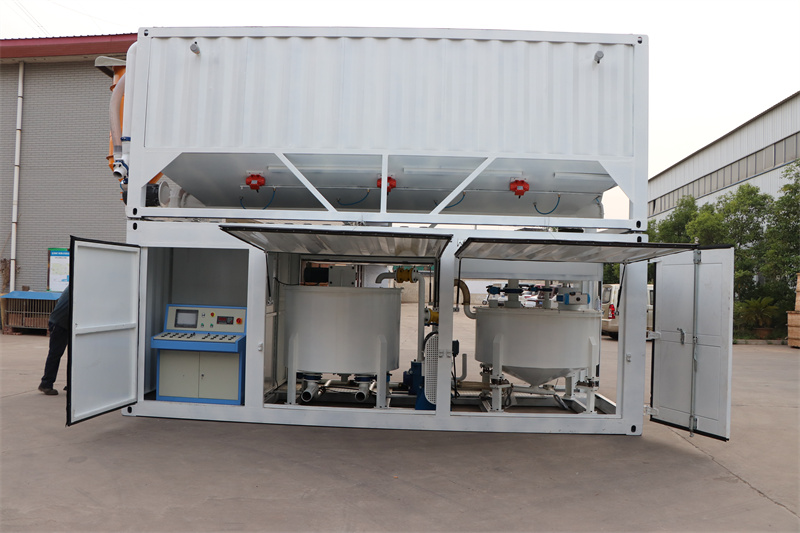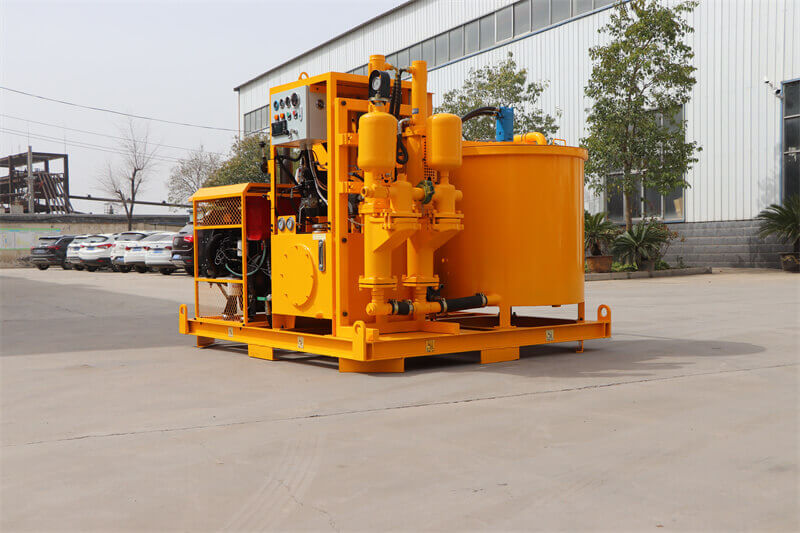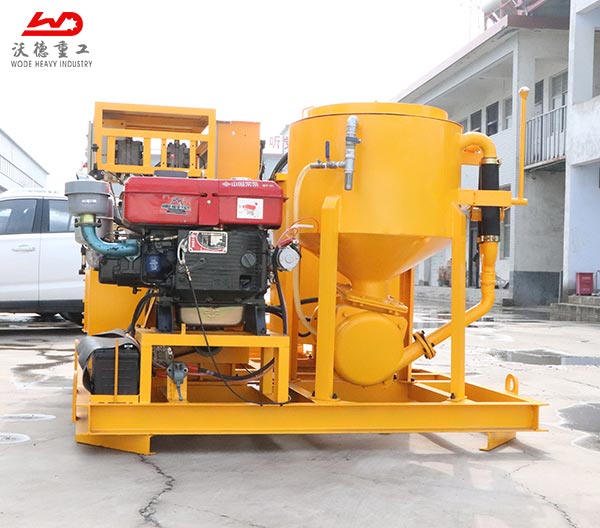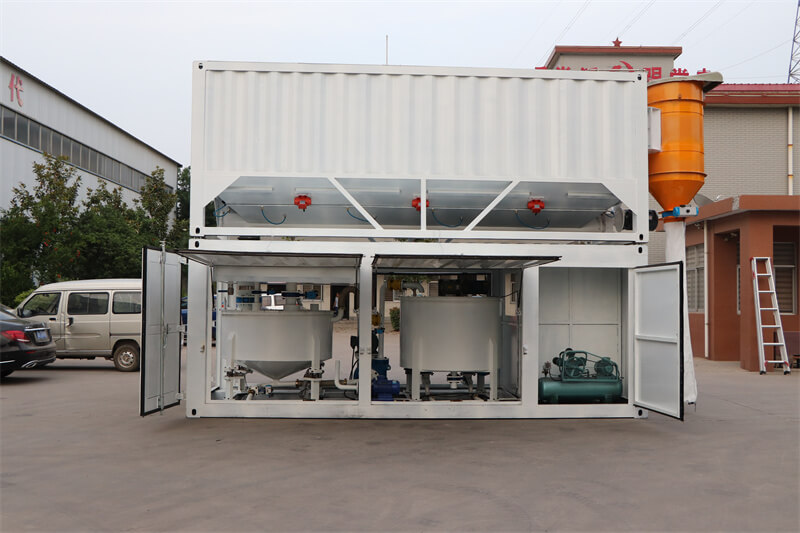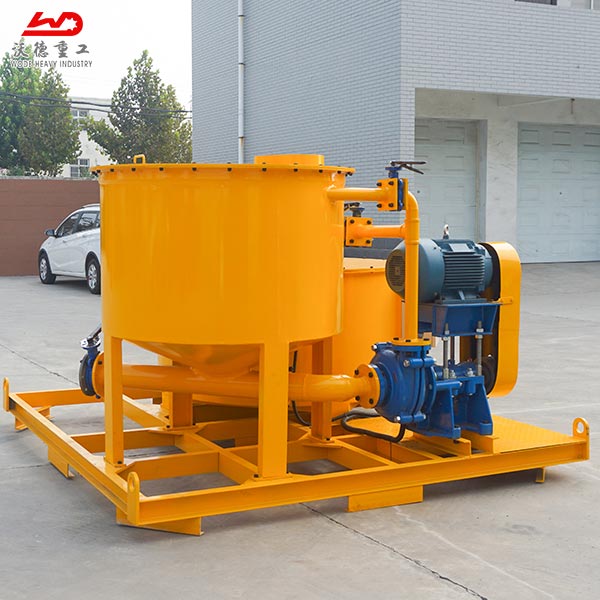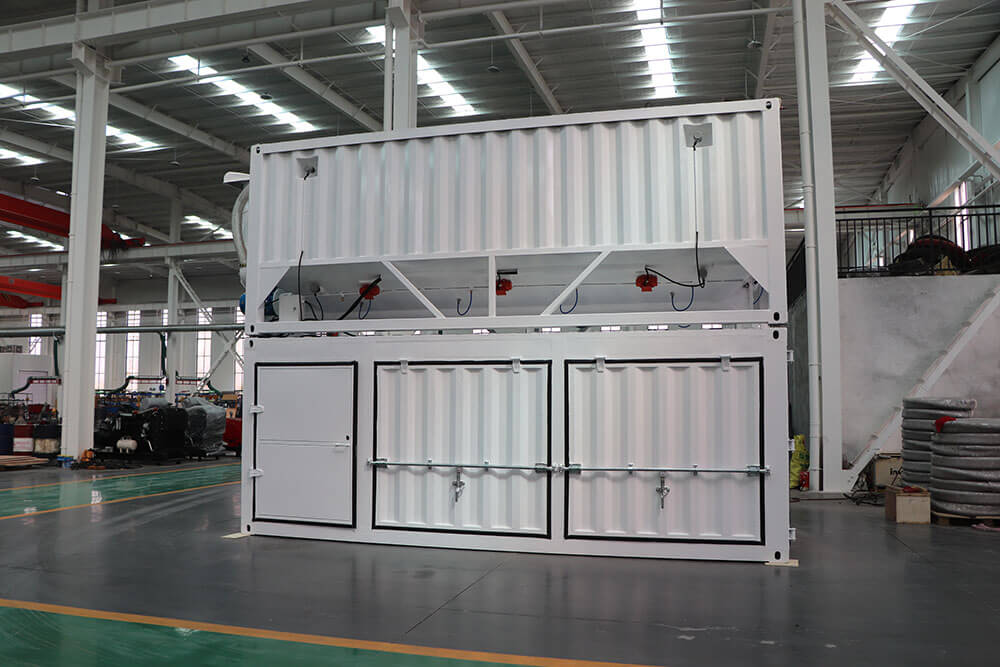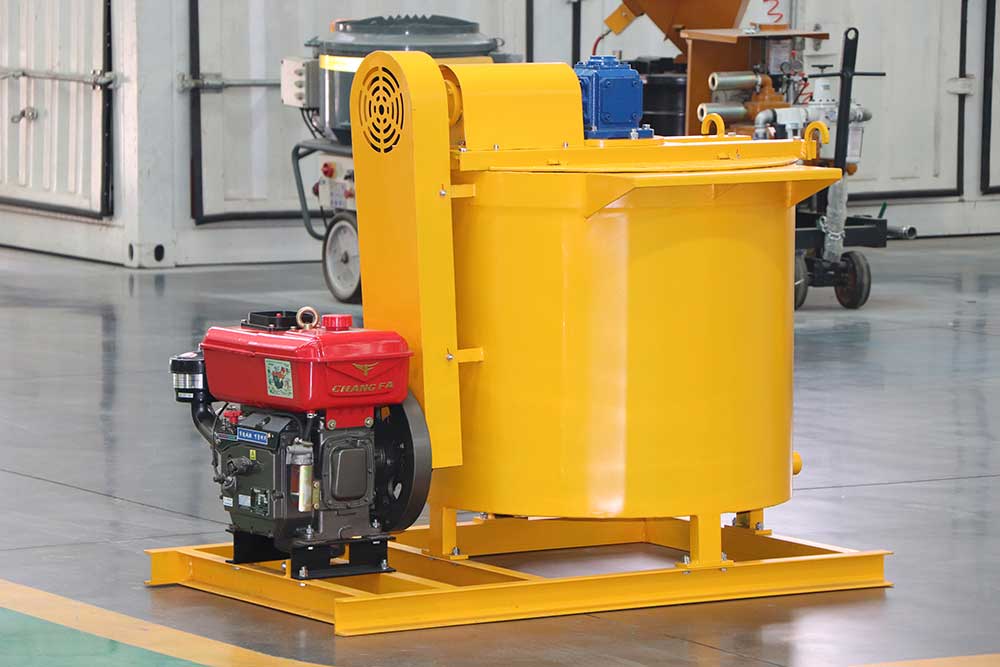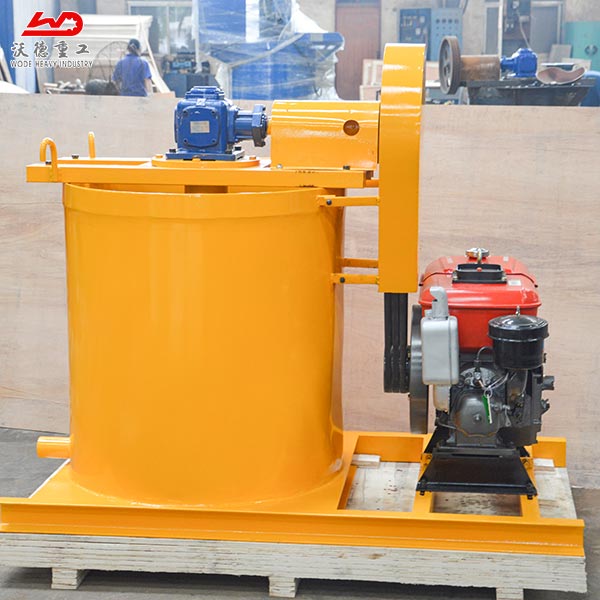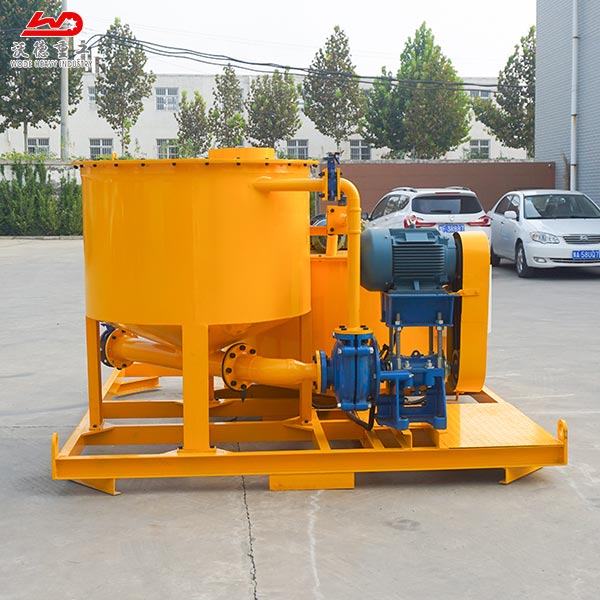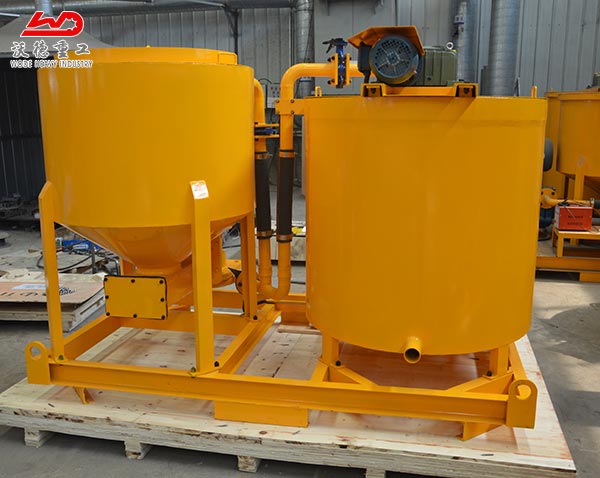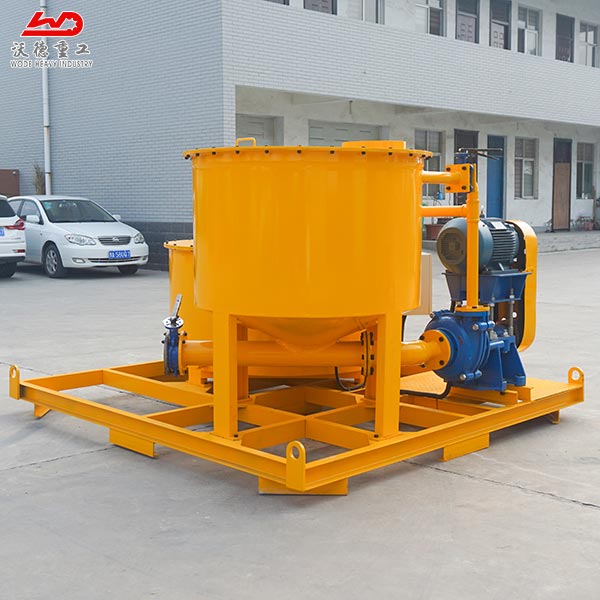
Grout mixer for micropile foundation work
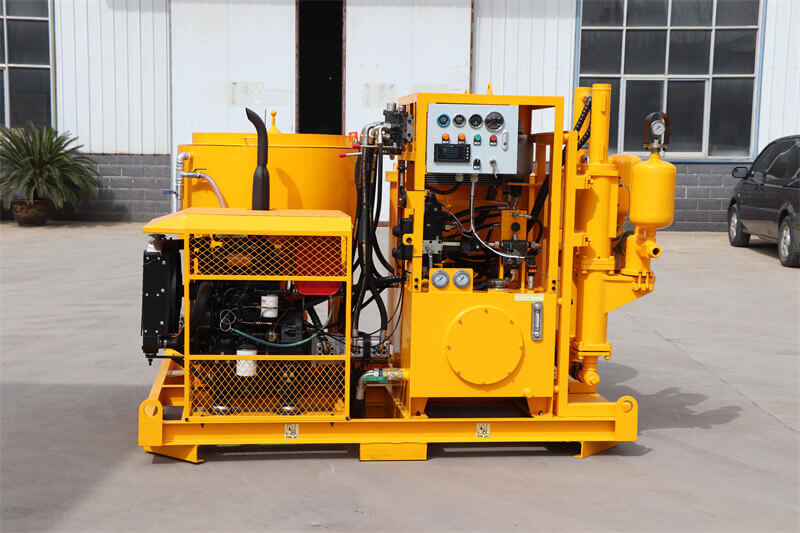
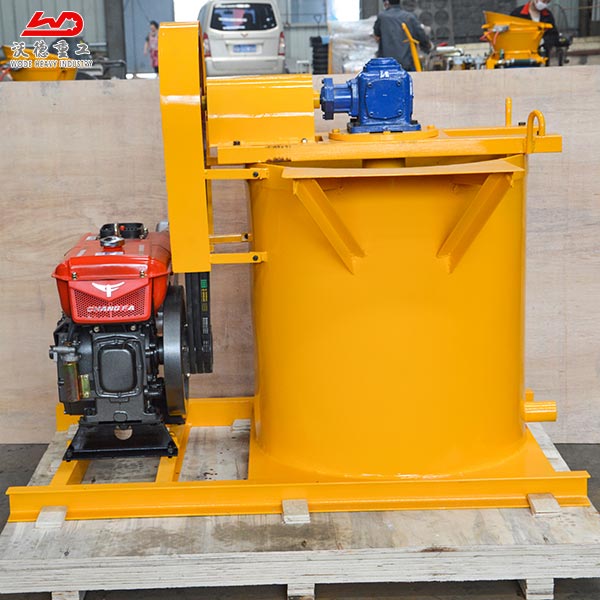
Diesel power is suitable for foundations, bridge approaches and temporary work areas where the electricity supply is unreliable. The HWM400D grout mixer uses a 10 Hp diesel engine weighing approximately 300 kg; the site must therefore be prepared for mechanical handling, levelling of the foundation, fuel management and ventilation.
If the equipment is to be permanently installed in an area with a stable power supply, or if the construction site has strict emission restrictions, an electric solution is generally more suitable.
Micro-piles are typically formed by drilling a hole, inserting reinforcing bars or steel pipes, and injecting grout into the hole to create a load-bearing element. The grout not only fills the voids but also serves to transfer loads between the steel components and the surrounding ground; therefore, the consistency of the grout mixture and the injection process are equally important.
Question 1: The specific nature of the project and the grouting method employed
First, clarify whether the project involves micro-piles, foundation underpinning, dam grouting, tunnel reinforcement or other ground improvement works. Then determine whether the grout will be injected by gravity, through a conduit, by single-stage pressure grouting or by post-grouting. Different methods have varying requirements regarding batch capacity, grout storage time, pressure control and pumping continuity.
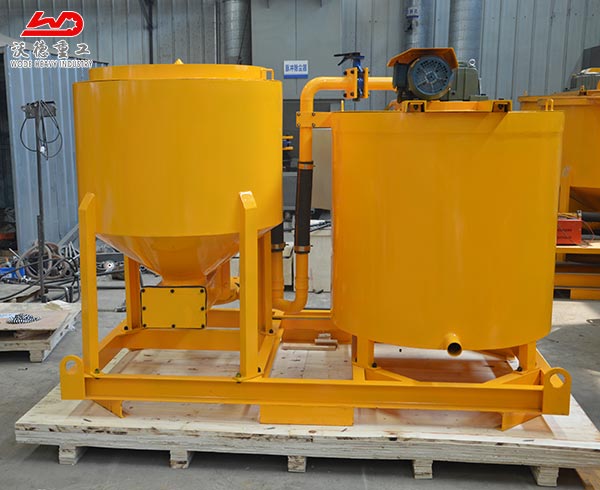
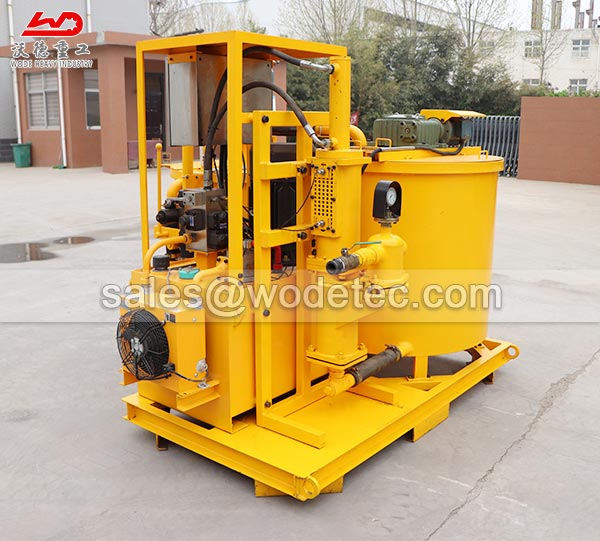
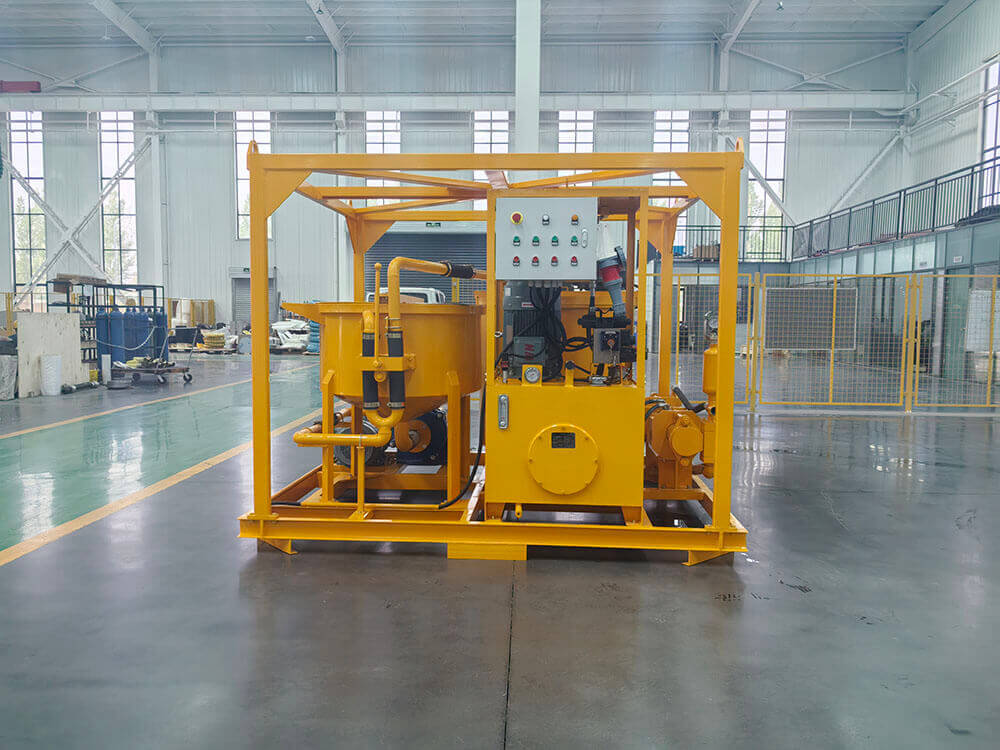
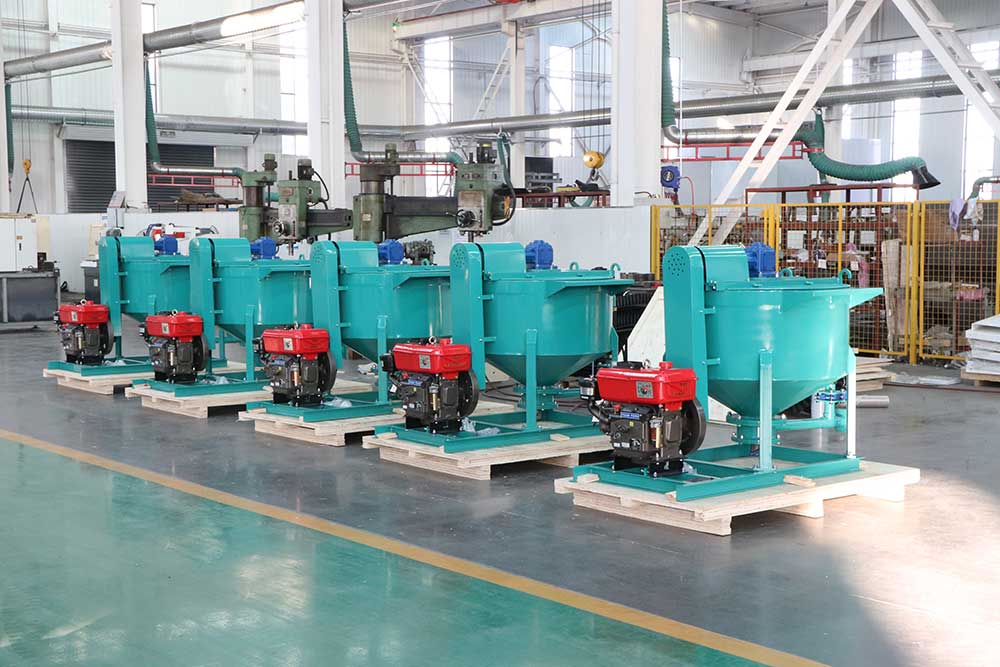
For micropile crews carrying out construction in multiple borehole cycles, 400 litres can serve as a practical batch size. The HWM400D grout mixer completes the nominal mixing phase in approximately 3 minutes and can handle cement, bentonite and grout confirmed to contain fine sand.
Question 2: What flow rate and pressure are required for the grouting pump?
The mixing capacity of the grout mixer must be coordinated with the pump’s grout consumption rate. If the grouting pump empties the grout reservoir before the next batch of grout is ready, construction will be frequently interrupted; conversely, if the mixing capacity far exceeds the pump’s consumption rate, the grout may remain in the system for too long.
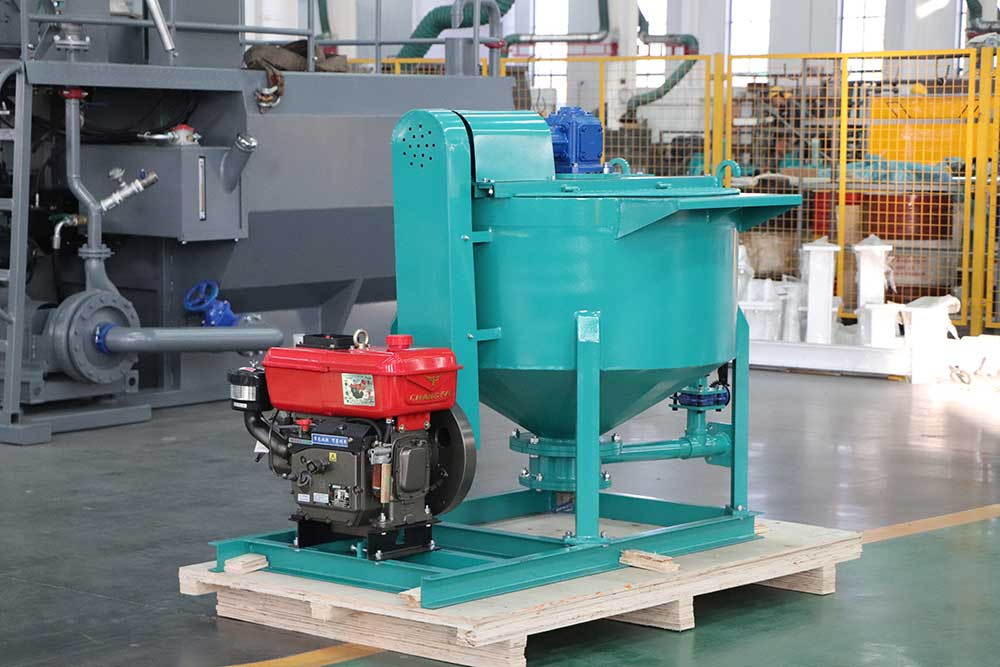
The 1 bar rating of the HWM400D grout mixer refers to transfer pressure, not high-pressure grouting capacity. The pump should be selected based on the design grouting pressure, flow rate, pipeline length, vertical height, borehole depth and slurry rheology, and should be equipped with a pressure gauge, safety valve or data recording device in accordance with project requirements.
Question 3: What is the grout formulation?
Prior to selection, the target water-to-cement ratio, cement type, bentonite or admixture content, sand content and maximum particle size should be provided. The HWM400D grout mixer accepts water-to-cement ratios of 0.45 and above. If the formulation includes micro-cement, fibres, coarse aggregate or highly thixotropic materials, this should be confirmed separately prior to purchase.
Question 4: Is diesel or electric power more suitable for the site?
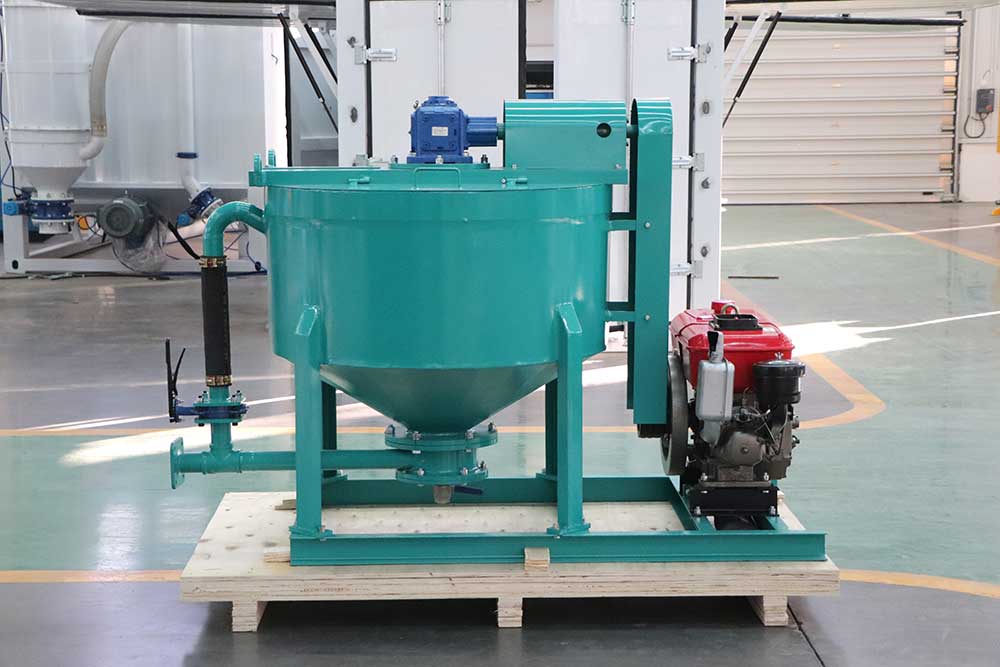
Diesel power is suitable for foundations, bridge approaches and temporary work areas where the electricity supply is unreliable. The HWM400D grout mixer uses a 10 Hp diesel engine weighing approximately 300 kg; the site must therefore be prepared for mechanical handling, levelling of the foundation, fuel management and ventilation.
If the equipment is to be permanently installed in an area with a stable power supply, or if the construction site has strict emission restrictions, an electric solution is generally more suitable.
When is an additional grout storage and mixing tank required?
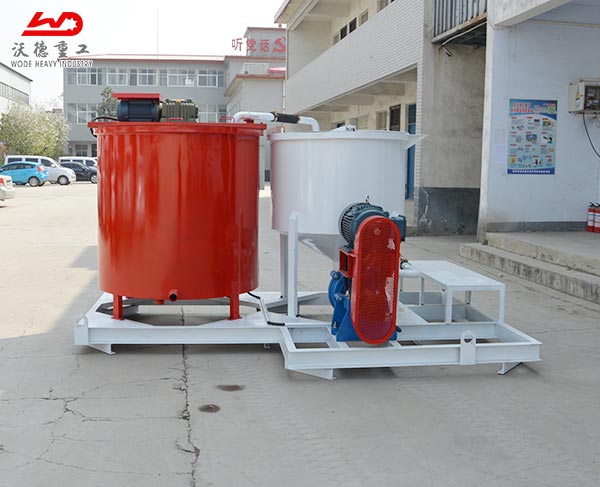
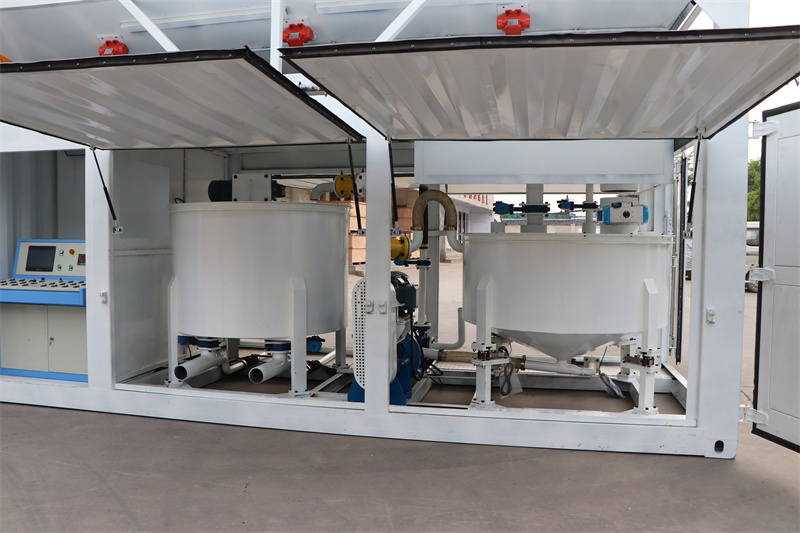
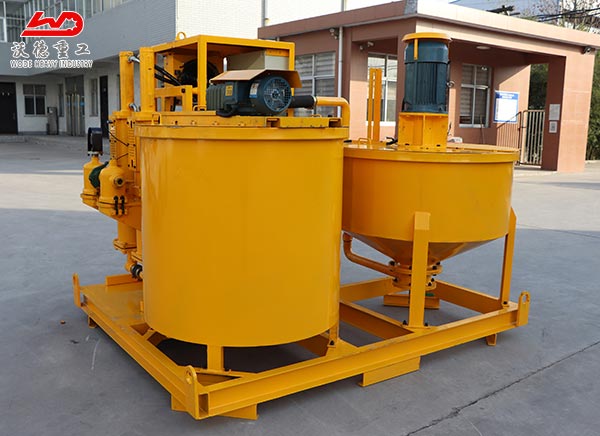
A grout storage tank should be provided when the grouting pump requires a continuous supply of grout, or when the prepared grout must remain in motion prior to injection. The grout mixer can prepare the next batch of grout, whilst the storage tank provides a continuous feed to the pump. The storage capacity should accommodate normal batch variations, but must not allow the grout to exceed its permissible working time.
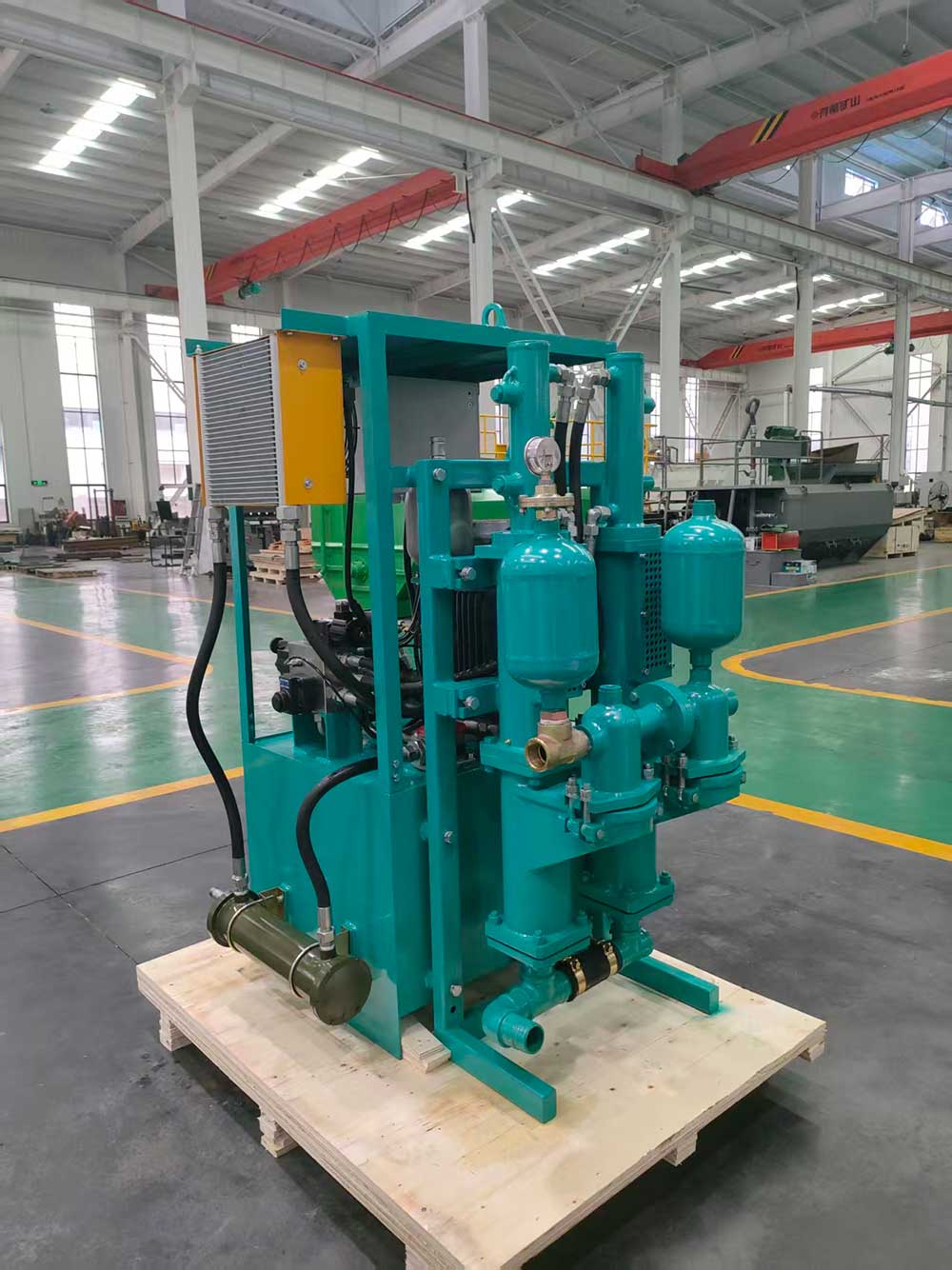
To ensure accurate configuration, please provide the borehole diameter and depth, number of piles, mix formulation, pressure, flow rate, pipeline route and on-site power supply conditions. We can then select the appropriate grout mixer, agitator and grouting pump based on this information.