Cement bentonite grout mixer slurry quality
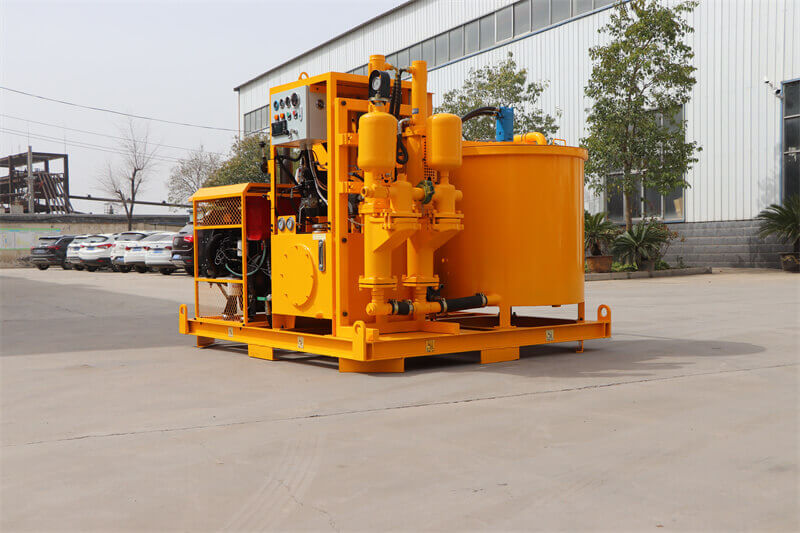
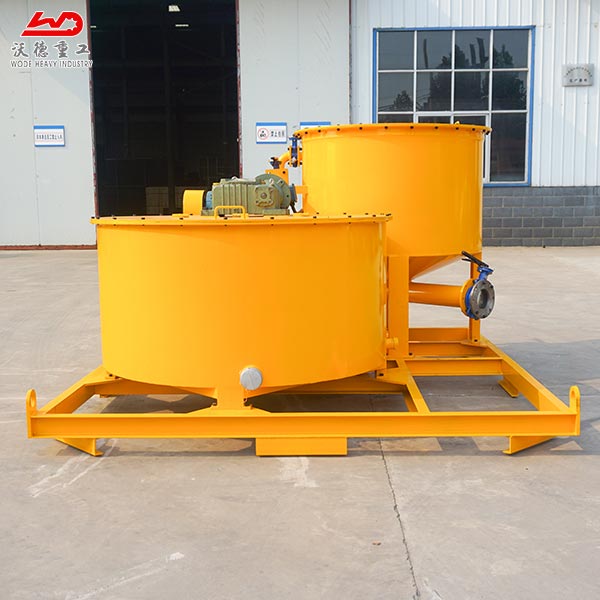
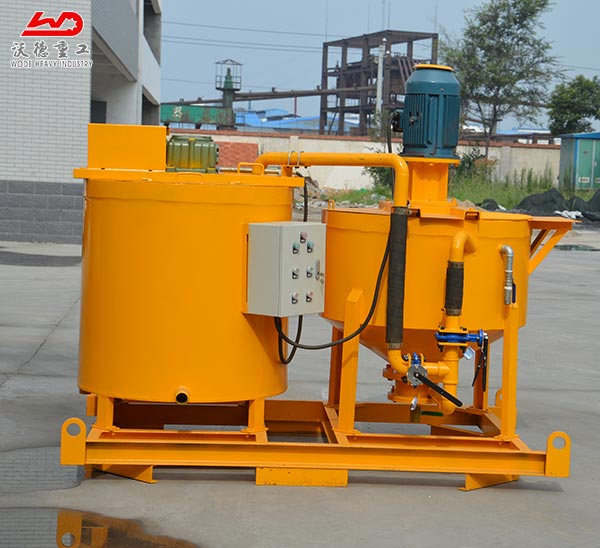
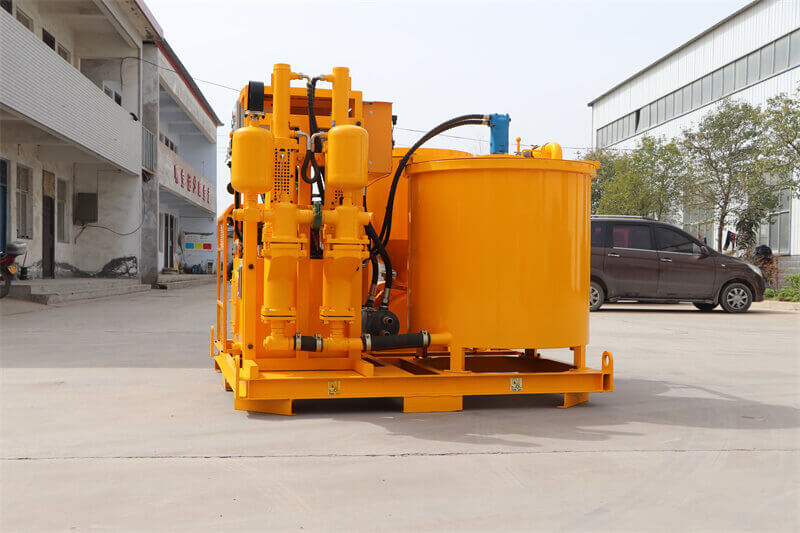
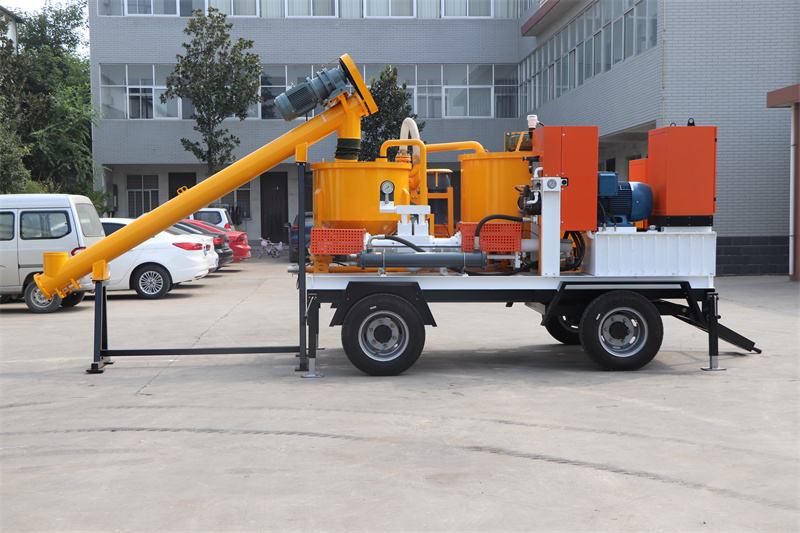
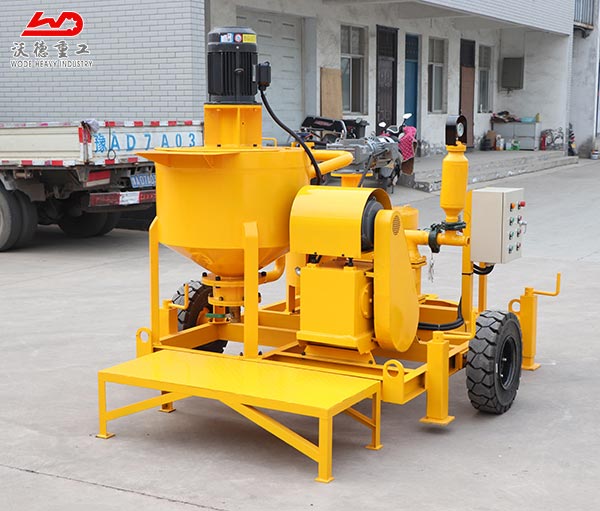
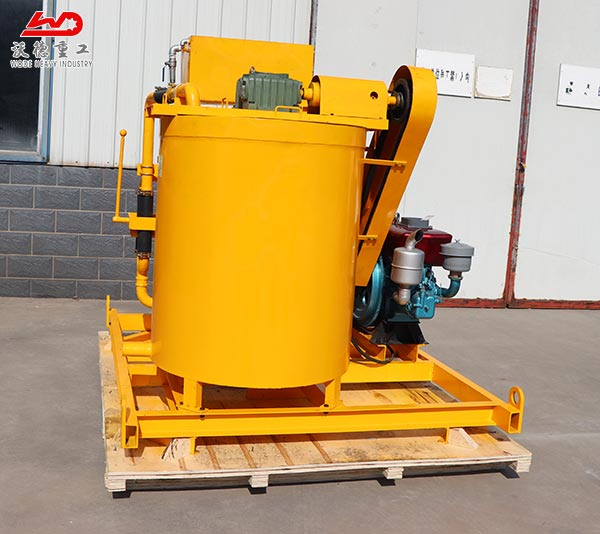
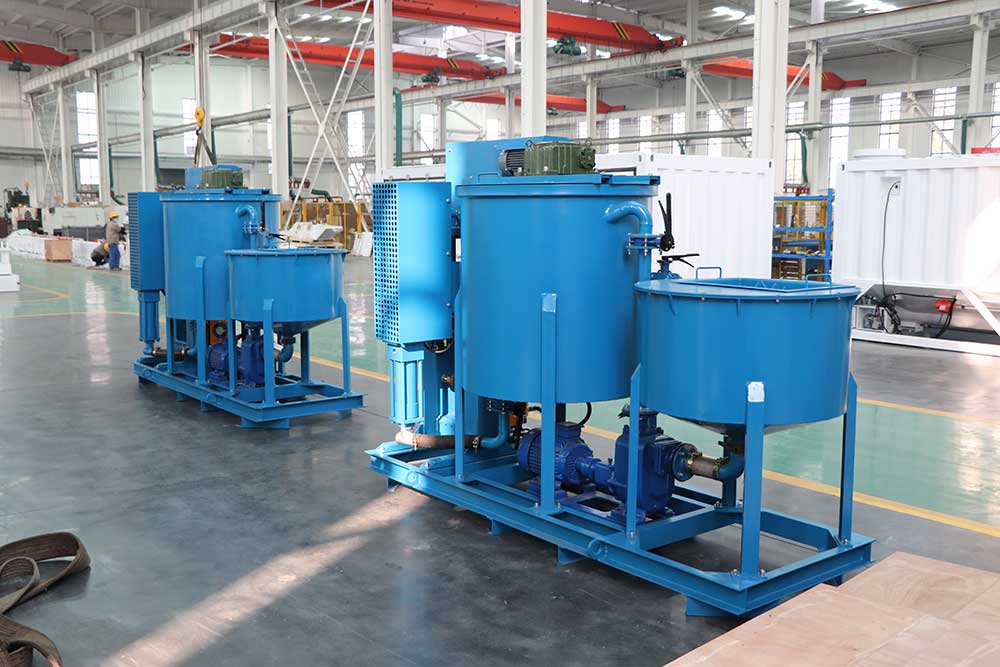
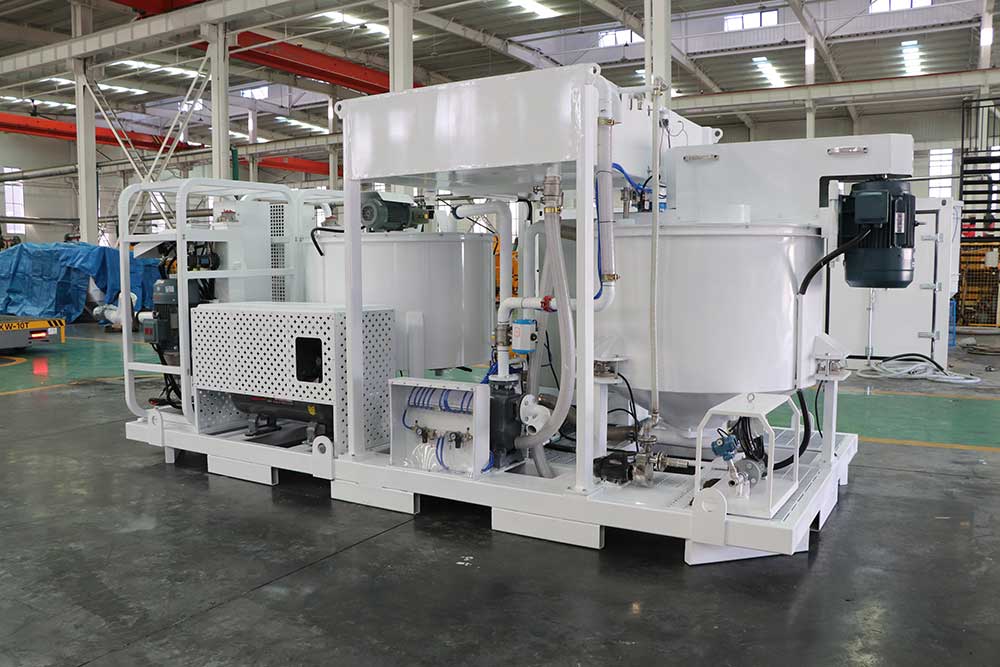
The HWM400D cement bentonite grout mixer’s 1,500 rpm impeller rapidly promotes circulation within the tank, aiding the dispersion of solid materials. The nominal mixing time is approximately 3 minutes; however, if the material supplier or construction plan requires pre-hydration of the bentonite, the total slurry preparation time should account for this stage.
The cement bentonite grout mixer accommodates a water-to-cement ratio of 0.45 or higher; however, this is not a universal formulation. The strength, viscosity, bleeding, setting time and injectability of the slurry are also influenced by the type of cement, the type and dosage of bentonite, water temperature and admixtures.
Cement–bentonite slurries are commonly used in foundation treatment, borehole backfilling, seepage control and underground engineering. What clients really need is not simply to ‘mix the materials together’, but to obtain a slurry that is pumpable, has a stable mix ratio and meets the requirements for bleeding rate, strength or permeability within a specified time frame. Water content control, bentonite hydration, the sequence of material addition and mixing energy all influence the final result.
Why is precise mixing of cement and bentonite necessary? Cement powder is prone to agglomeration when added in large quantities at once, whilst bentonite requires sufficient contact with water to be effective. Research on two-component slurries indicates that the activation time of bentonite affects bleeding and early-age properties; therefore, projects should specify clear dosing and hydration procedures, rather than relying solely on the operator’s visual judgement.
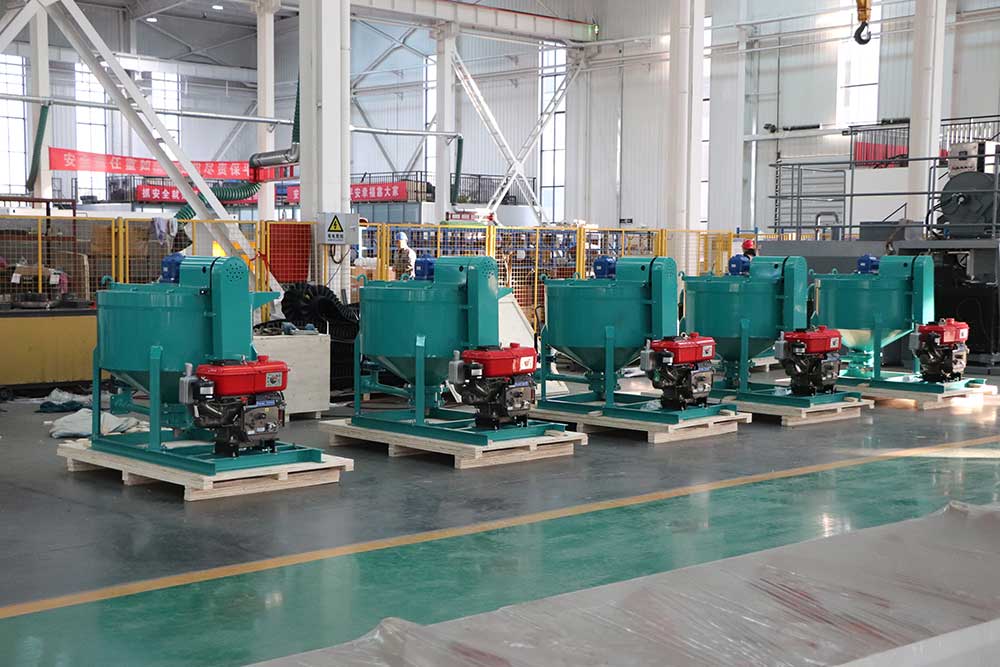
The HWM400D cement bentonite grout mixer’s 1,500 rpm impeller rapidly promotes circulation within the tank, aiding the dispersion of solid materials. The nominal mixing time is approximately 3 minutes; however, if the material supplier or construction plan requires pre-hydration of the bentonite, the total slurry preparation time should account for this stage.
The cement bentonite grout mixer accommodates a water-to-cement ratio of 0.45 or higher; however, this is not a universal formulation. The strength, viscosity, bleeding, setting time and injectability of the slurry are also influenced by the type of cement, the type and dosage of bentonite, water temperature and admixtures.
It is recommended to use metering equipment to control the quantities of water and powder added, and to record the actual quantities used for each batch. Prior to full-scale production, density, flowability or viscosity, bleeding rate and strength should be tested in accordance with project requirements. Whilst the equipment can improve batch-to-batch consistency, it cannot compensate for an inappropriate formulation.
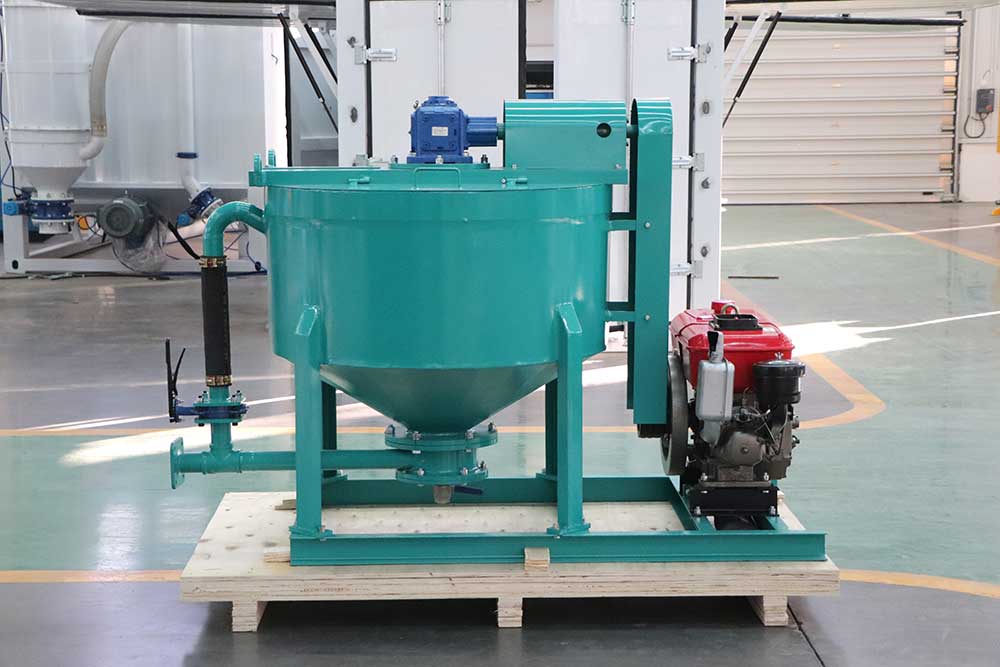
The specific sequence of material addition should comply with the material specifications and the approved construction plan. A common practice is to first add the metered water and start circulation, then slowly add the bentonite, and finally add the cement gradually once hydration is complete as required. If the mix contains sand, the sand gradation, maximum particle size, solid concentration and the suitability of the downstream pump should be confirmed beforehand.
Do not pour all powdered materials into the tank in a single go. Controlling the feeding rate can reduce floating powder, unmixed lumps and sudden increases in viscosity, whilst also preventing the diesel engine from being subjected to a sudden increase in load.
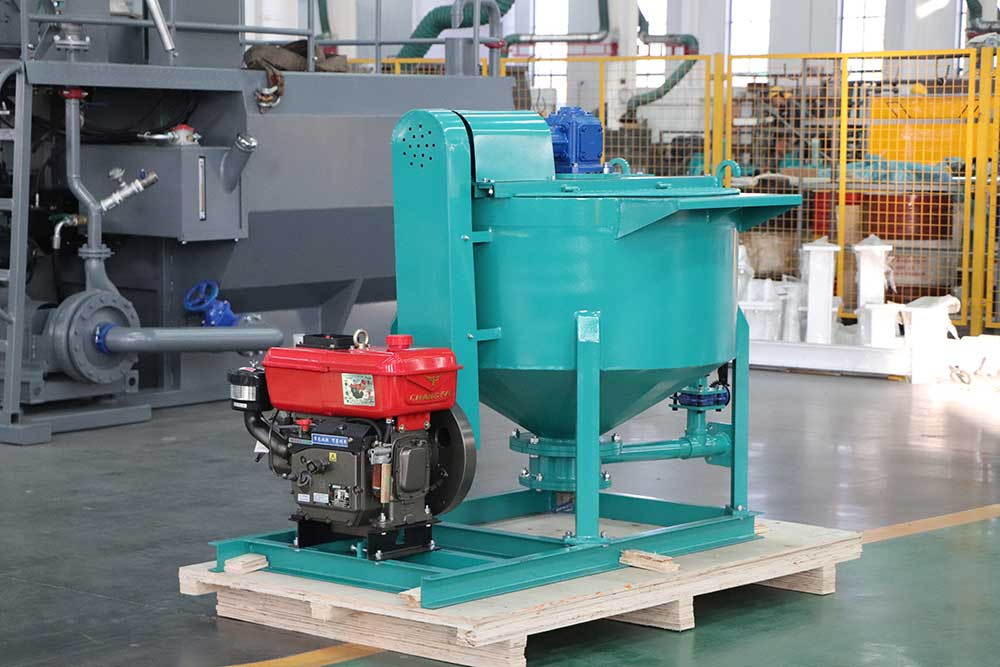
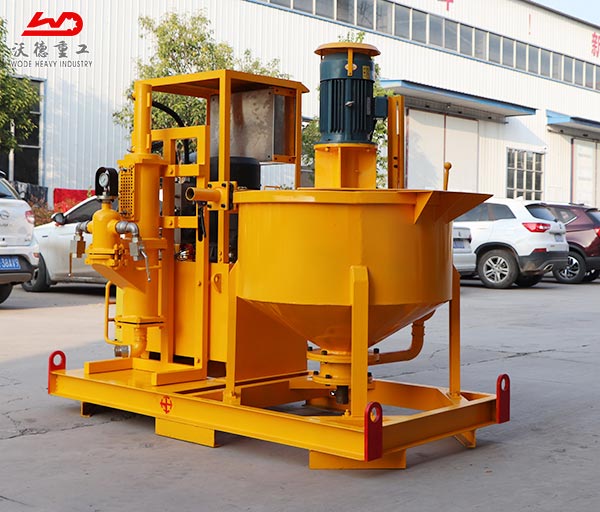
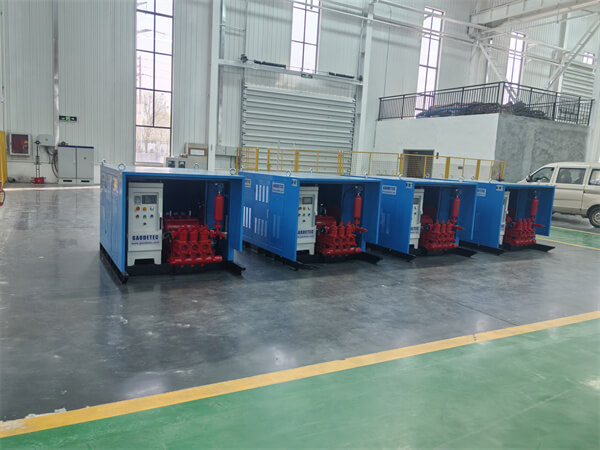
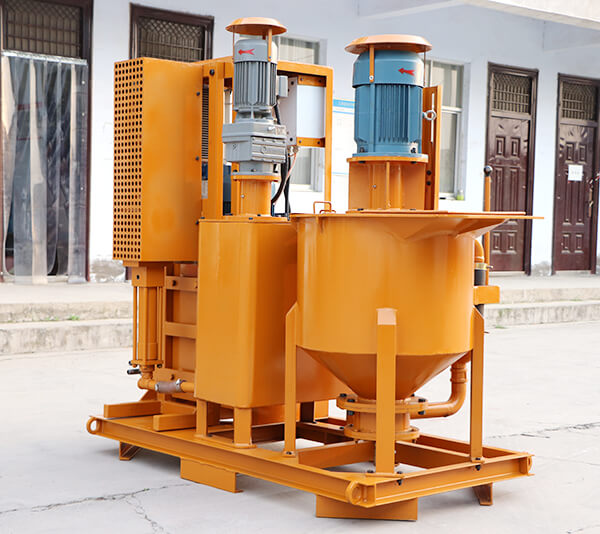
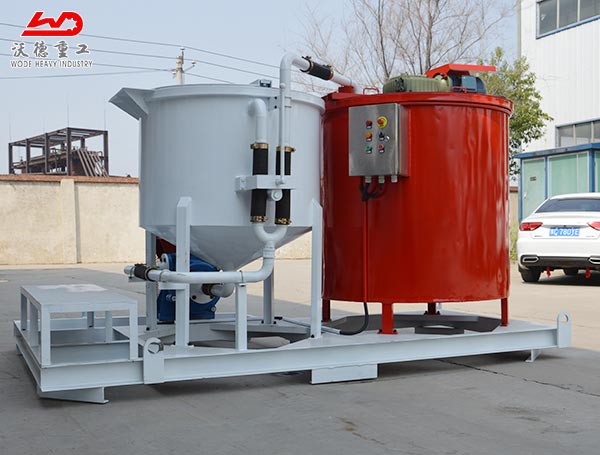
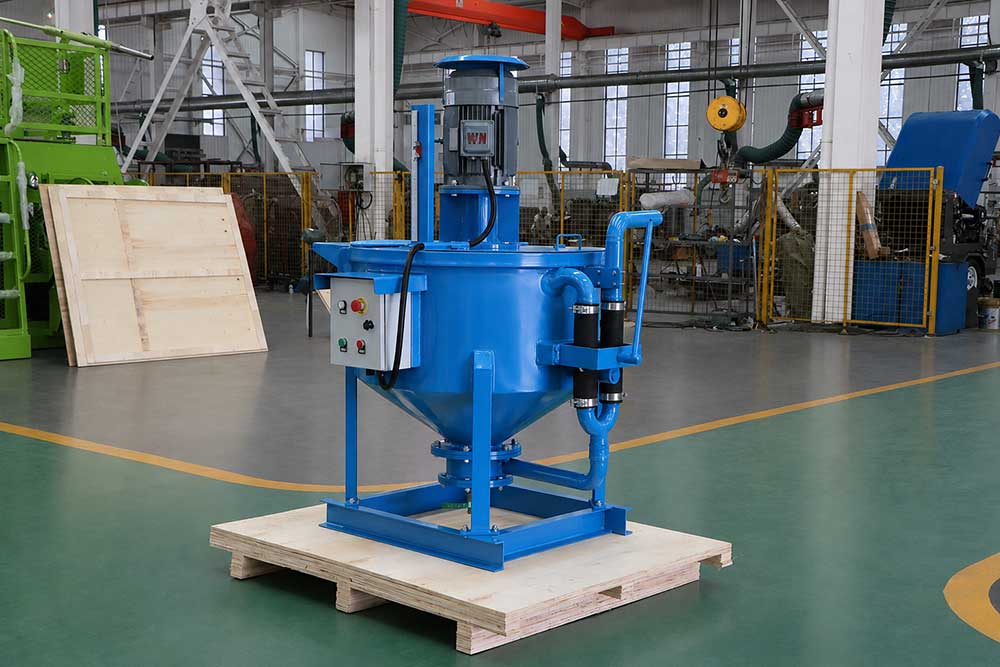
The cement bentonite grout mixer’s built-in impeller pump is responsible for circulation and slurry transfer, with a rated discharge pressure of 1 bar. The finished slurry can be transferred to a slurry storage tank and then injected into the ground by a dedicated grouting pump in accordance with project requirements. The three components serve different functions: the high-speed mixer is responsible for slurry preparation, the storage tank for maintaining slurry circulation, and the grouting pump for establishing pressure and controlling flow rate.
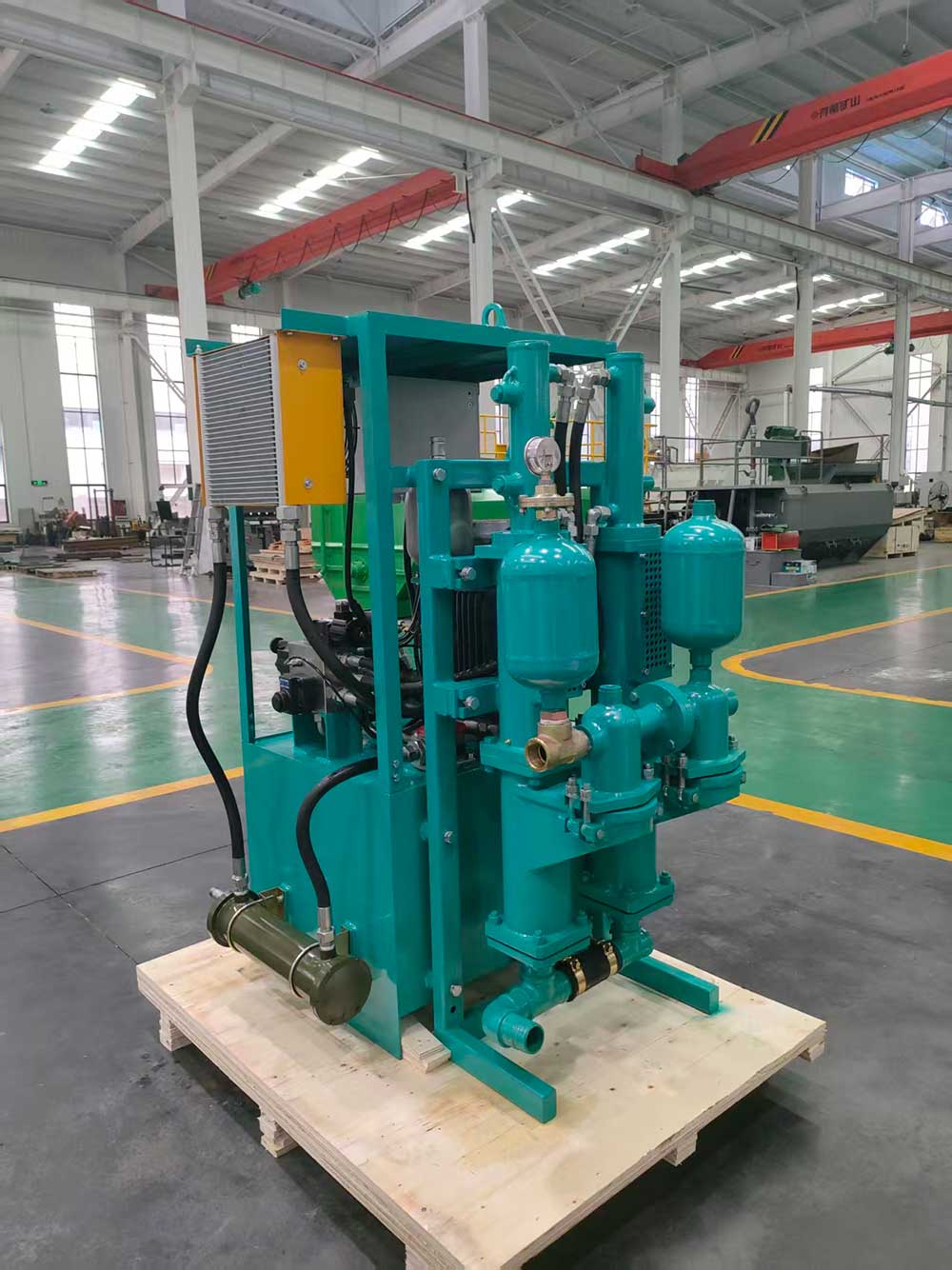
The HWM400D cement bentonite grout mixer can be used for ground reinforcement, tunnel and underground engineering, borehole backfilling, soil stabilisation, and grout preparation for certain dam seepage control applications. If you can provide the technical data sheets for the cement and bentonite, the target water-to-cement ratio, the required pump pressure and flow rate, and whether continuous operation is required, our engineers can provide you with a professional grouting solution.