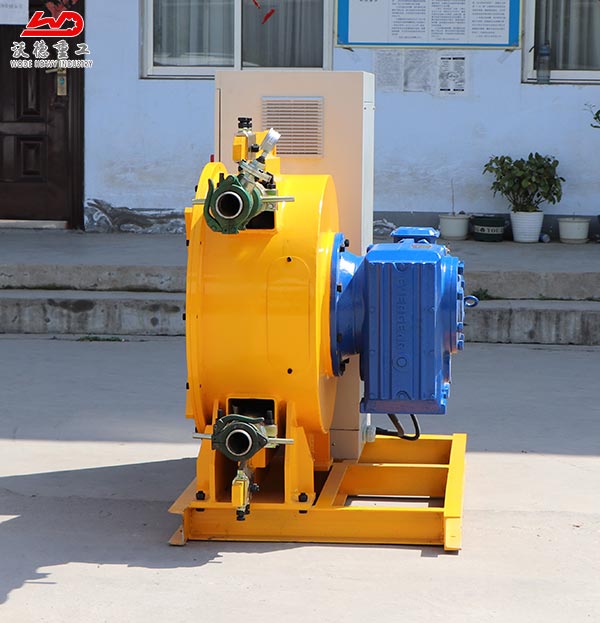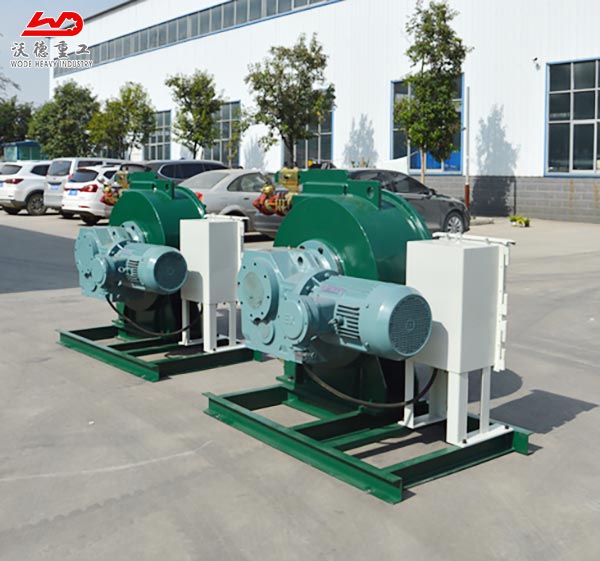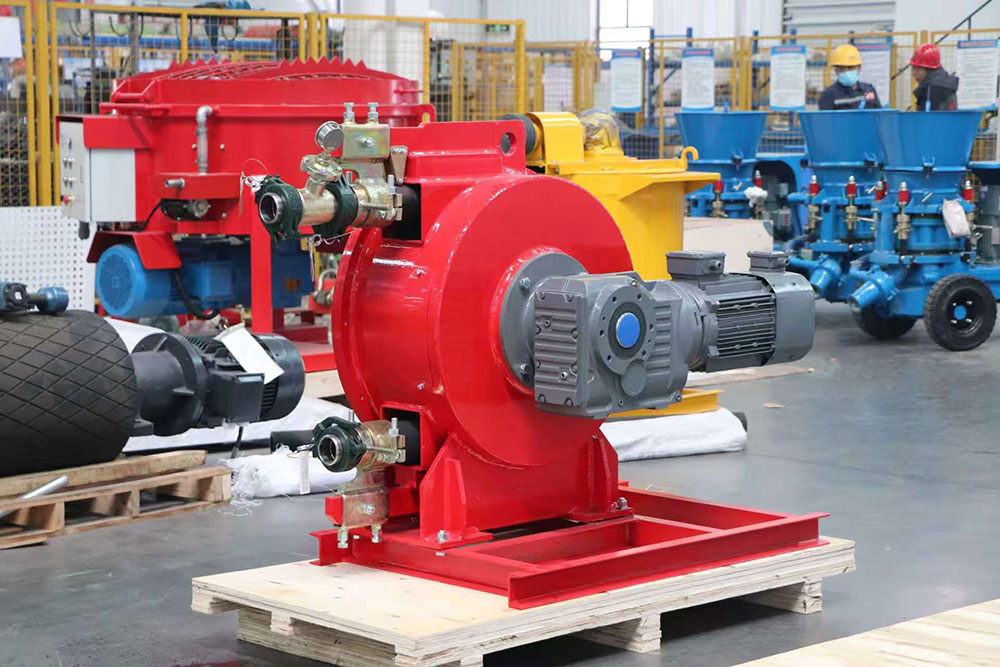
Peristaltic Pump for Landfill Wastewater
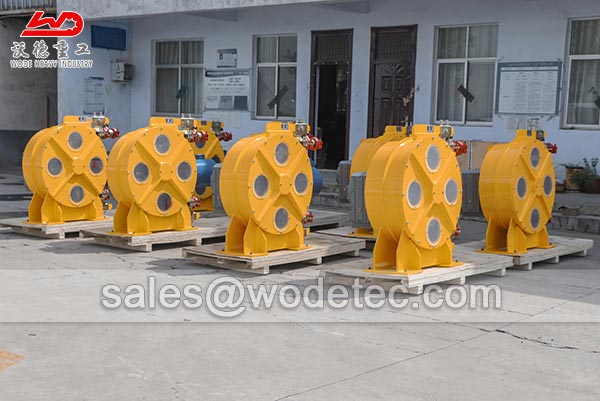
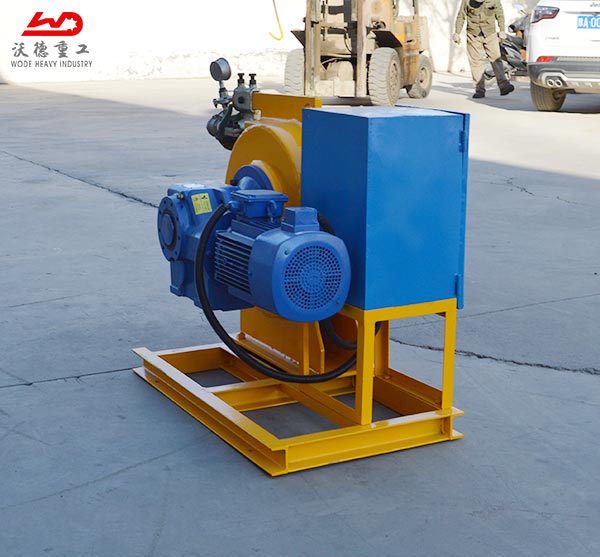
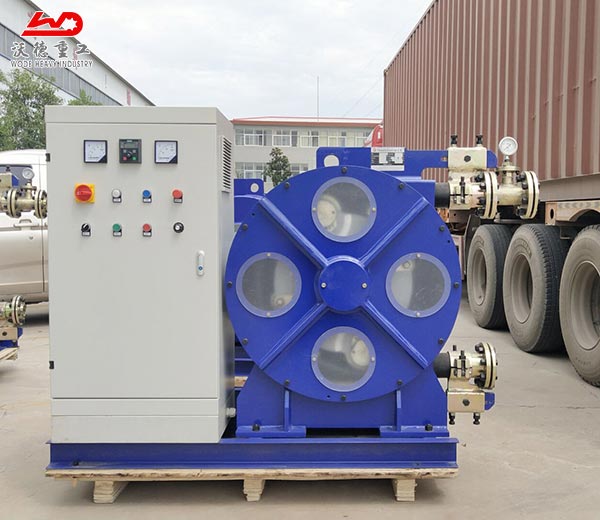
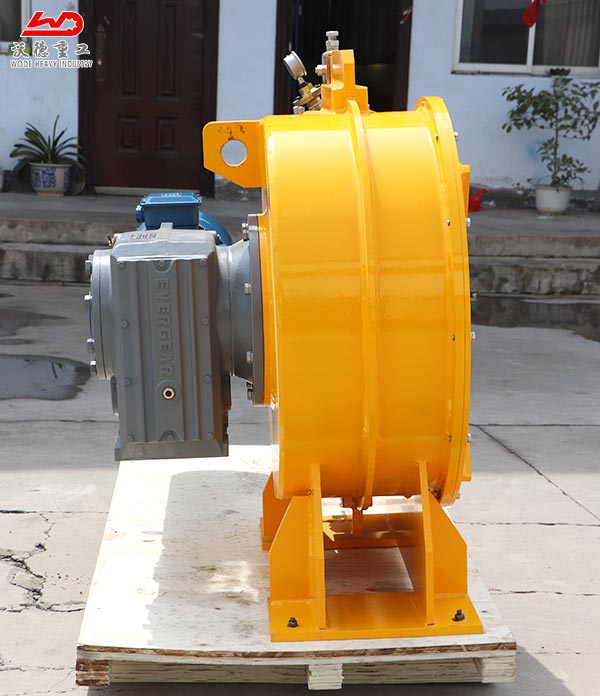
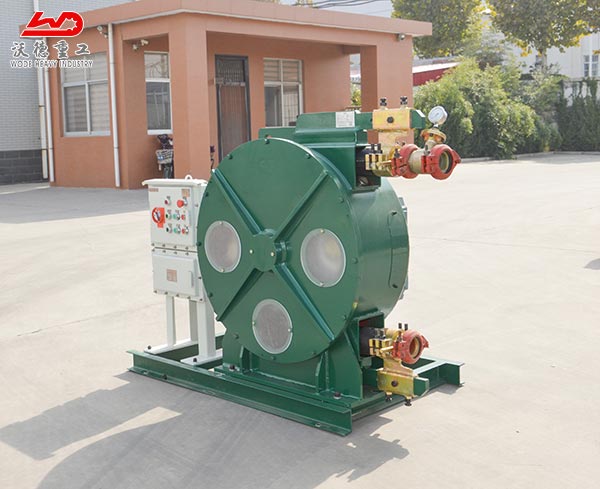
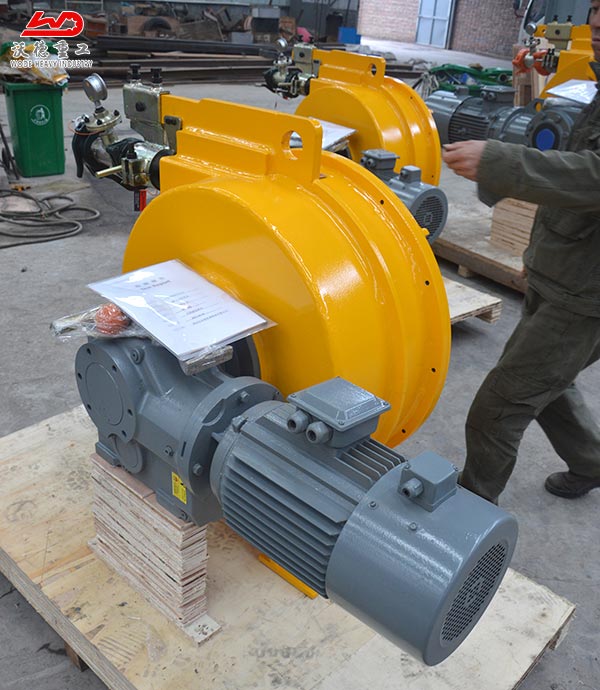
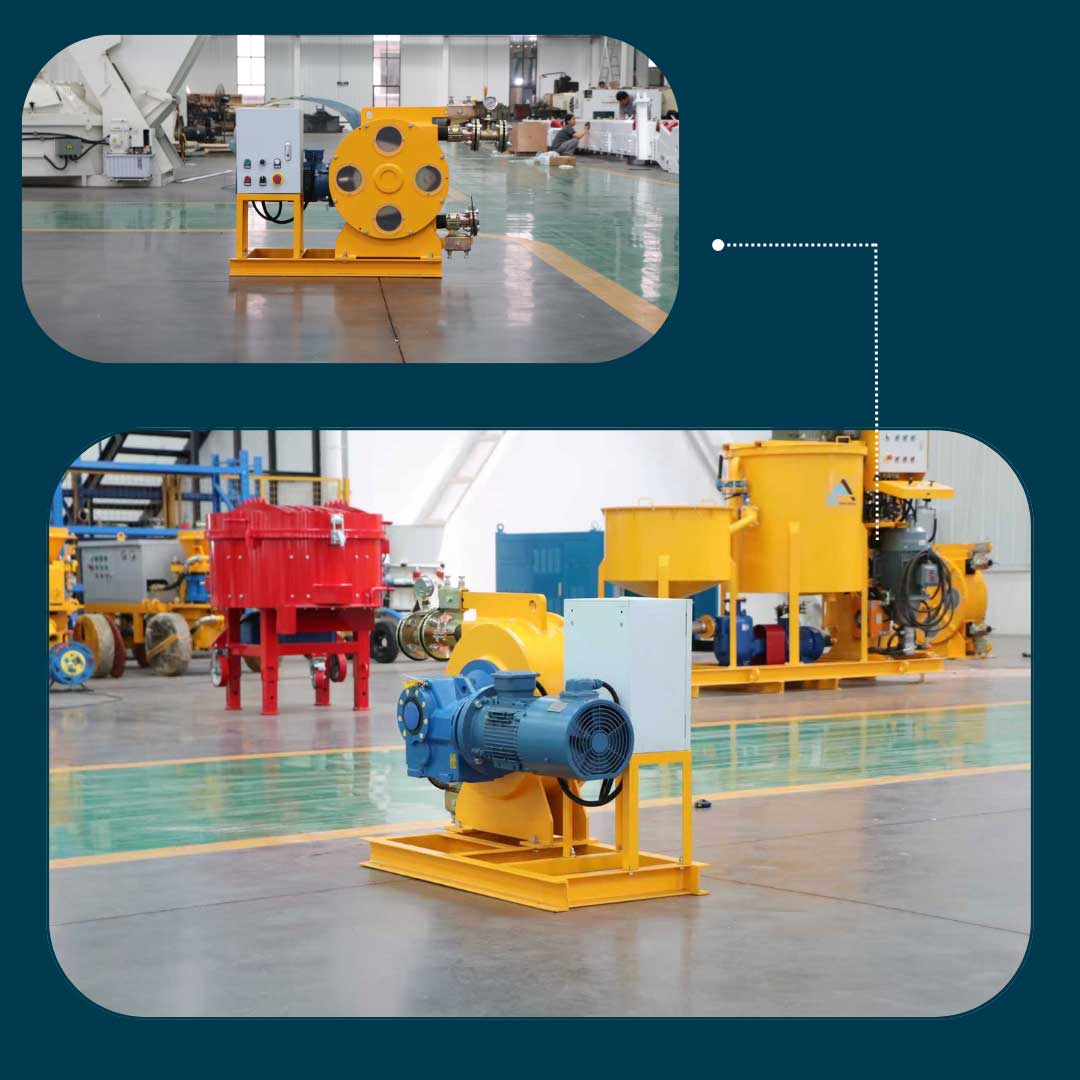
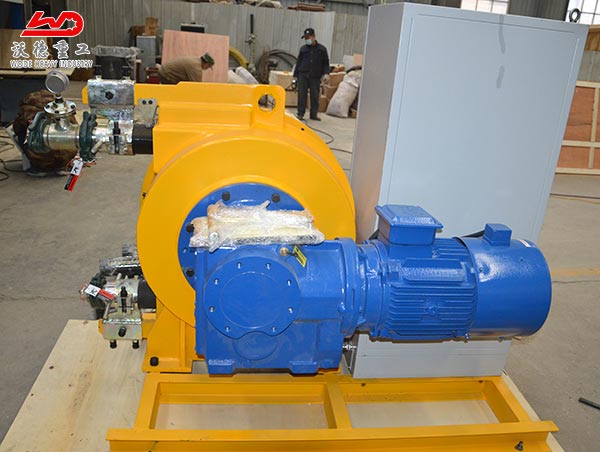
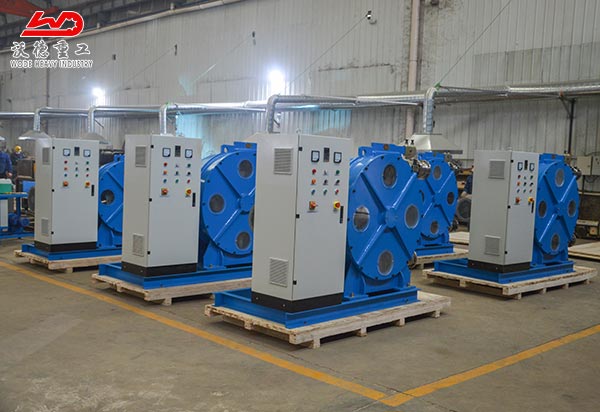
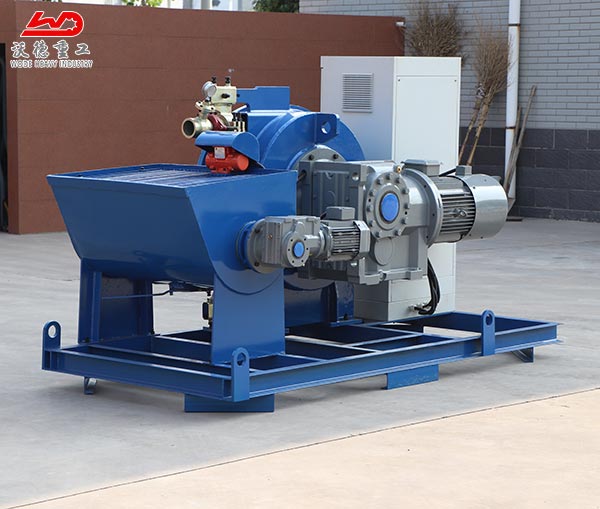
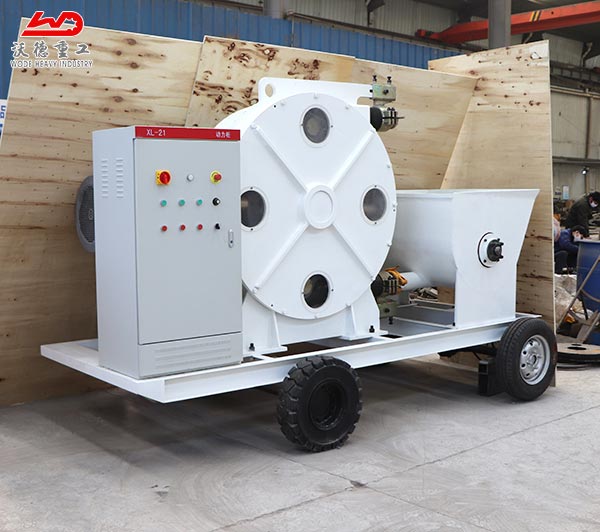
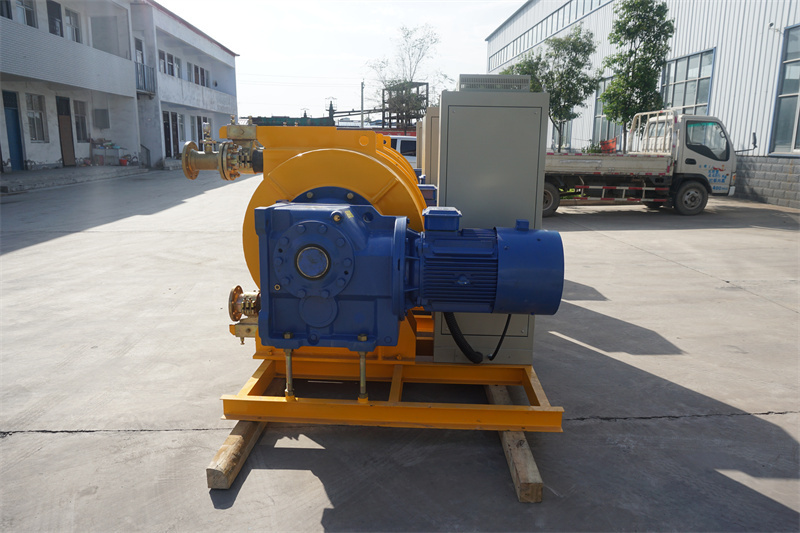
The main advantage of Peristaltic Pumps for Landfill Wastewater is that the media does not come into contact with shafts, seals, or other mechanical transmission components, reducing clogging, leaks, and mechanical wear caused by complex wastewater. Our Peristaltic Pumps can also handle liquids containing certain particles, fibers, and sediments, making them suitable for both intermittent drainage and continuous transfer.
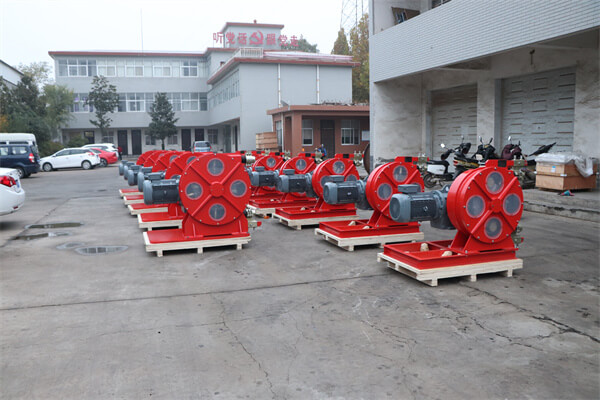
A client in Kyrgyzstan is procuring Peristaltic Pumps for a new sanitary landfill in Osh. The project’s media primarily consists of wastewater collected from the landfill area, which is filtered through several stages before being mixed with rainwater and transported to storage tanks or a subsequent wastewater treatment system.
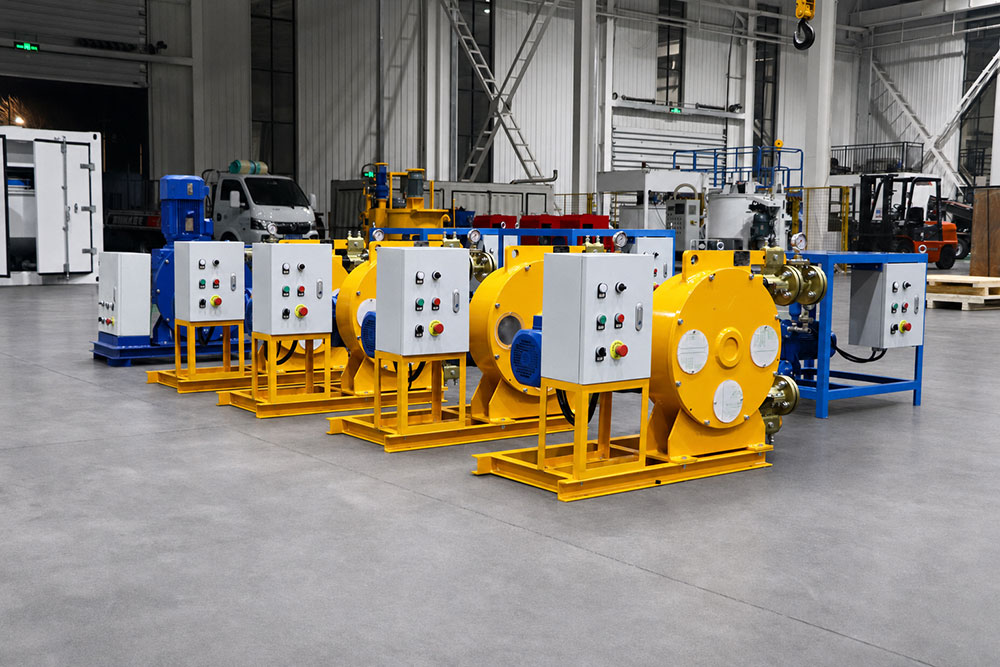
The main advantage of Peristaltic Pumps for Landfill Wastewater is that the media does not come into contact with shafts, seals, or other mechanical transmission components, reducing clogging, leaks, and mechanical wear caused by complex wastewater. Our Peristaltic Pumps can also handle liquids containing certain particles, fibers, and sediments, making them suitable for both intermittent drainage and continuous transfer.
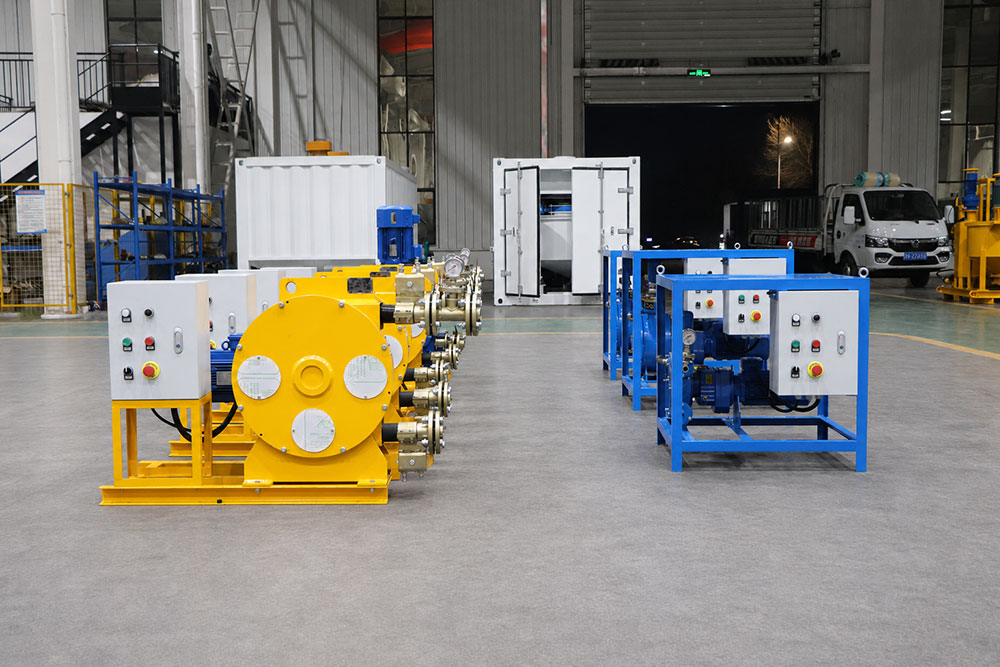
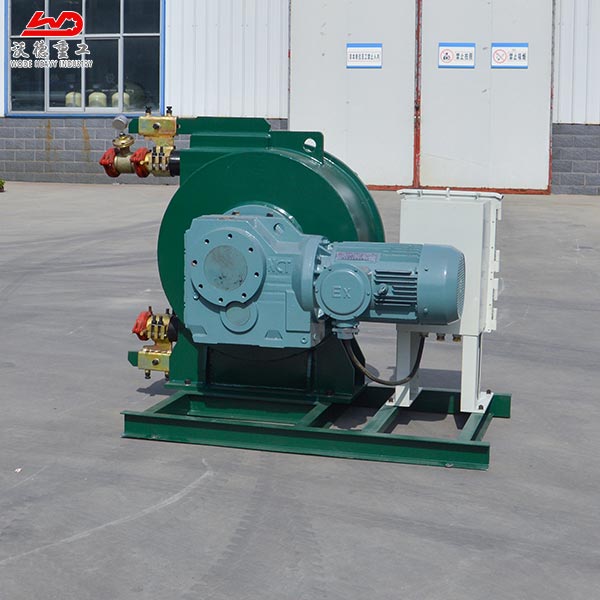
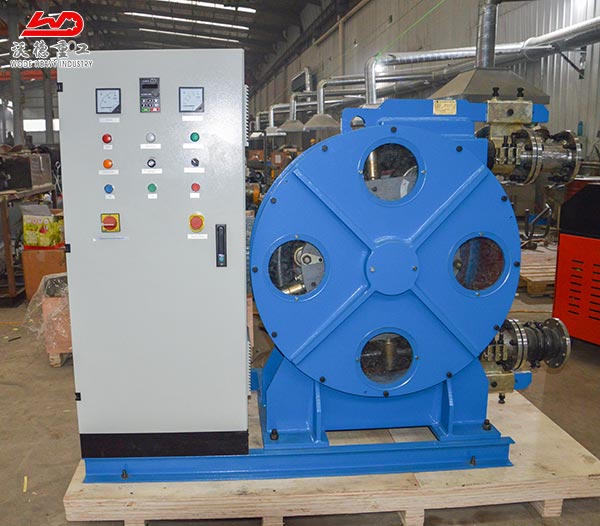
If the filtered wastewater still contains significant amounts of sludge or solid impurities, our HWH76-915B Sludge Transfer Pump can be selected. This model has a flow rate of 20 m³/h, a pressure of 1.0 MPa, a hose inner diameter of 76 mm, and features self-priming, reversibility, short-term dry-running capability, and the ability to transport media containing solids.
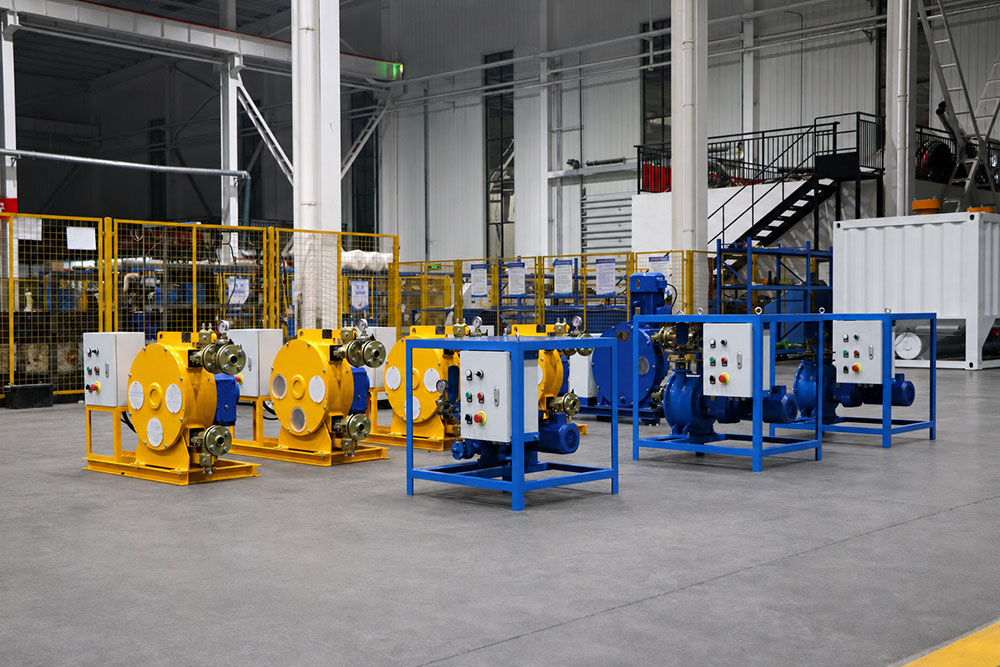
The final selection will depend on your project requirements, such as the required flow rate, wastewater pH, and maximum particle size. If you are also looking for a suitable Peristaltic Pump for Landfill Wastewater, please contact us.