Pneumatic vs Electric Shotcrete Machines
Pneumatic vs Electric Shotcrete Machines: Which Should You Choose?
Choose a pneumatic shotcrete machine when the site can supply the required compressed air and an air motor suits the working arrangement. Choose an electric rotor-drive machine when reliable electrical power is available and reducing the compressor’s motor-drive duty is valuable. Neither option is automatically better for every contractor.
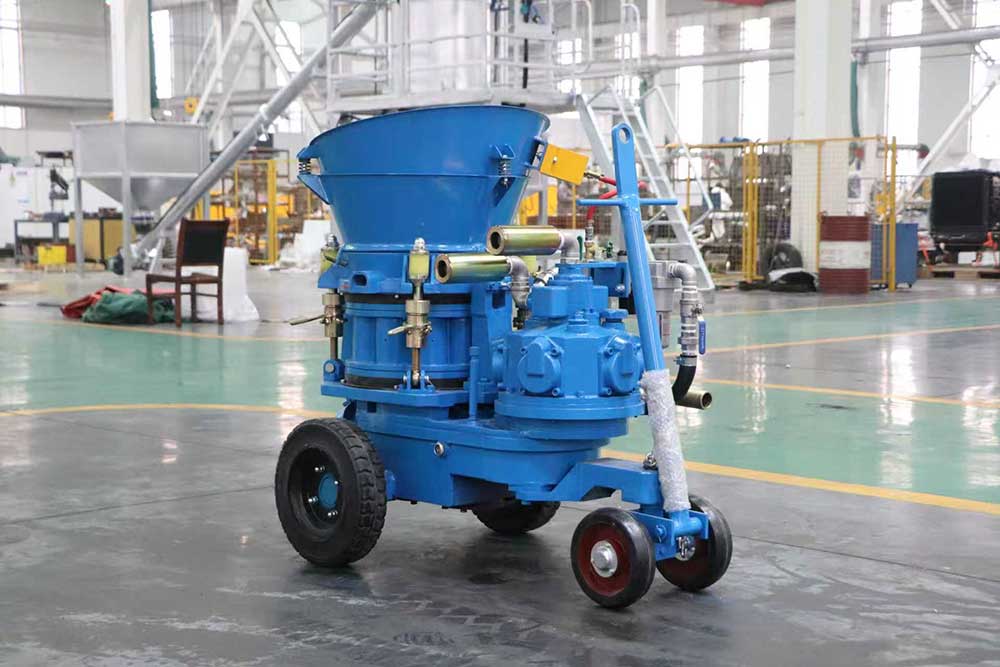
For a fair pneumatic vs electric shotcrete machine comparison, hold the spraying process and equipment duty as constant as possible. Comparing a pneumatic dry-mix rotor machine with a large electric wet-mix pump mixes together differences in process, capacity, and drive.
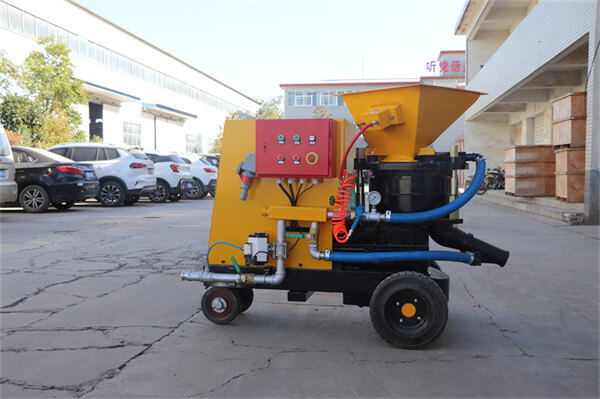
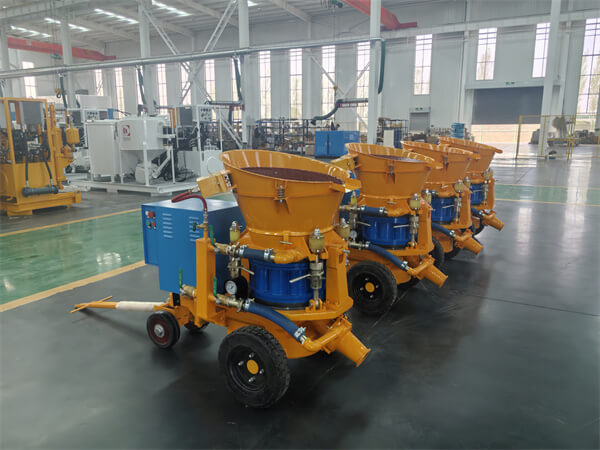
Separate the drive choice from the spraying process
Dry-mix and wet-mix describe how material is prepared and delivered. Pneumatic and electric describe what drives the equipment.
In dry-mix rotor equipment, compressed air conveys the dry material through the hose and water is added at the nozzle. Replacing an air motor with an electric motor does not eliminate conveying air. Conversely, installing an air motor does not turn a dry-only configuration into a wet-mix machine.
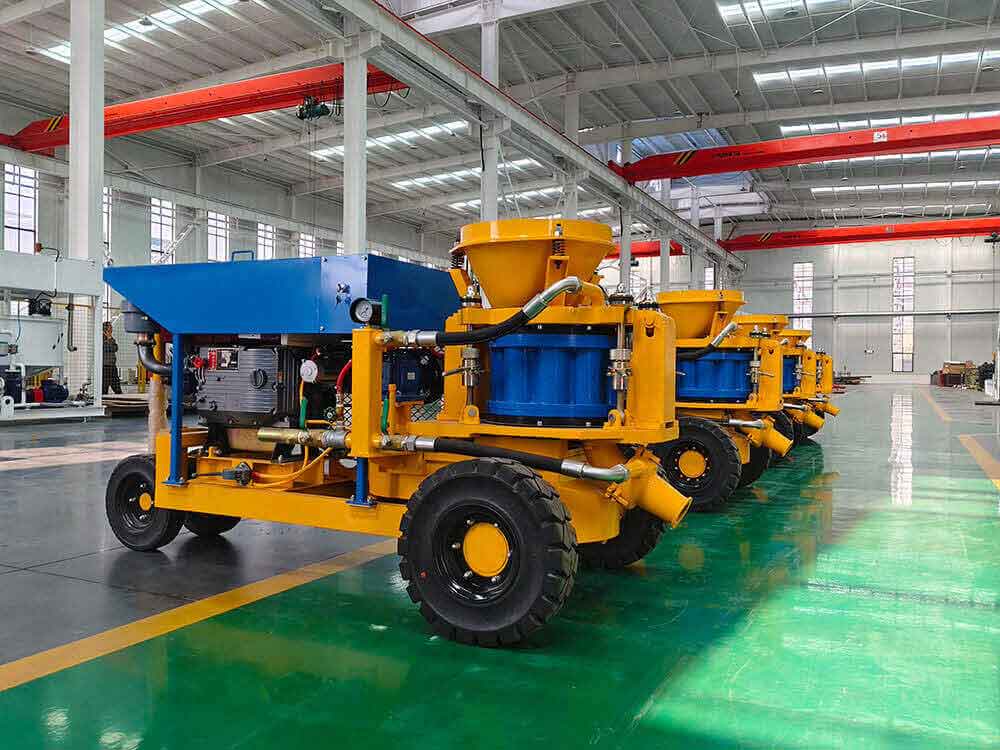
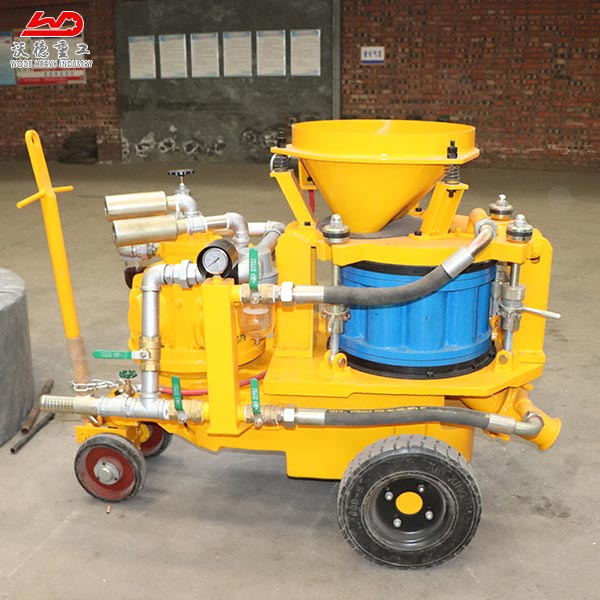
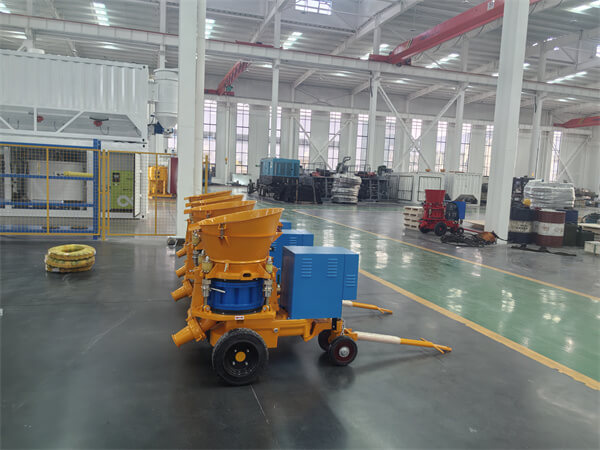
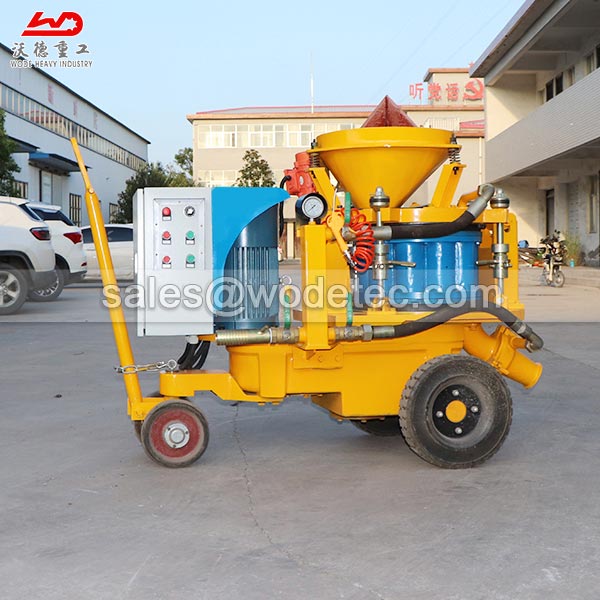
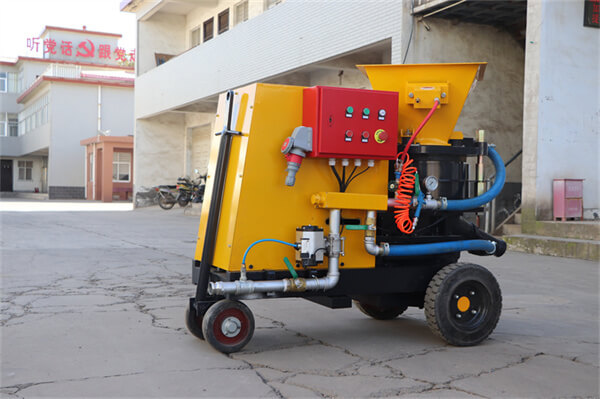
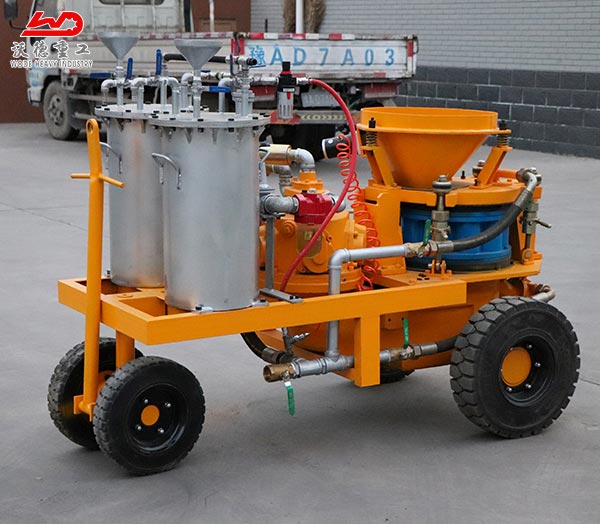
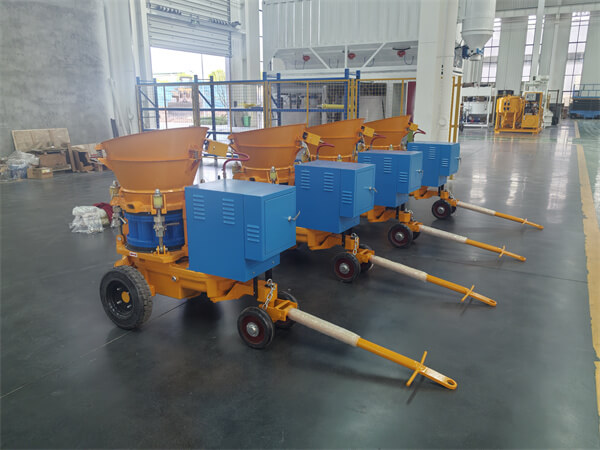
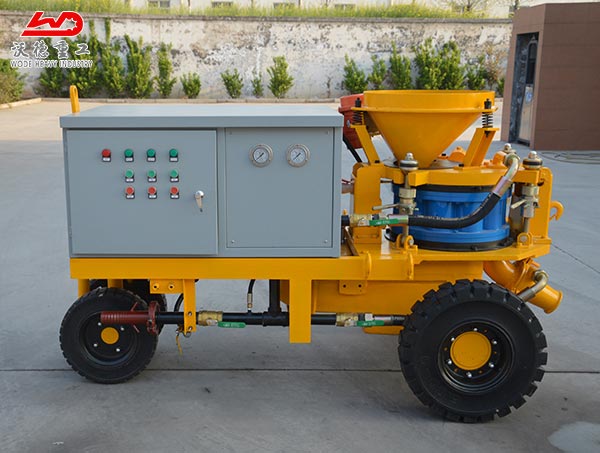
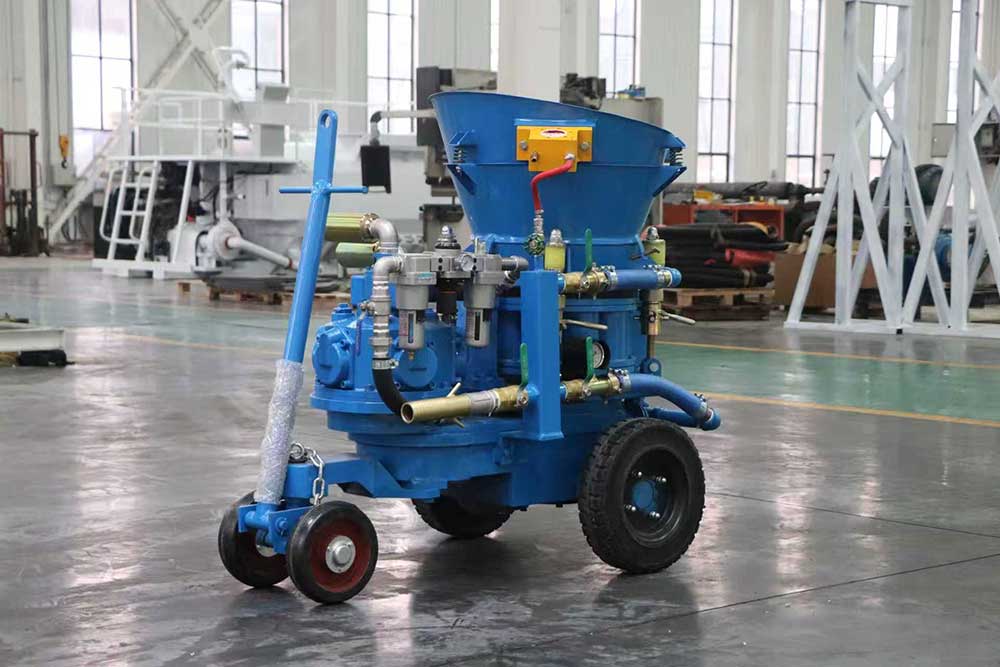
Wodetec’s WZ-5 product page lists WZ-5A air-motor and WZ-5E electric-drive versions for dry spraying. It also lists a separate WSZ-10S air-motor machine for wet and dry work. Process capability must therefore be confirmed by exact model rather than inferred from the drive.
Compare the utilities each machine actually needs
| Selection factor | Pneumatic rotor drive | Electric rotor drive |
| Drive energy at machine | Compressed air | Electrical power |
| Dry-mix conveying air | Required | Required |
| Electrical compatibility check | No rotor-motor voltage requirement | Voltage, phase, frequency, protection, and starting arrangement |
| Compressor duty | Conveying plus motor demand, as confirmed | Conveying demand plus any other air consumers |
| Site connections | Air lines, water, and material delivery hose | Power connection, air, water, and material delivery hose |
| Main selection constraint | Available air delivery under load | Electrical compatibility and available conveying air |
| Hazardous-area suitability | Requires configuration-specific assessment | Requires configuration-specific assessment |
An air motor may simplify one part of the utility arrangement while increasing compressor demand. An electric motor may reduce that air demand while adding electrical distribution and protection requirements. Evaluate the complete arrangement rather than counting only the connections on the machine.
Use the supplied specification to identify the real comparison
The pneumatic parameter sheet lists a TMH6A air motor, 0.5 MPa motor-air pressure, and 7.5 m³/min motor-air consumption. It separately lists 7–8 m³/min for conveying. The selected compressor must support the confirmed simultaneous demand and the required inlet pressures.
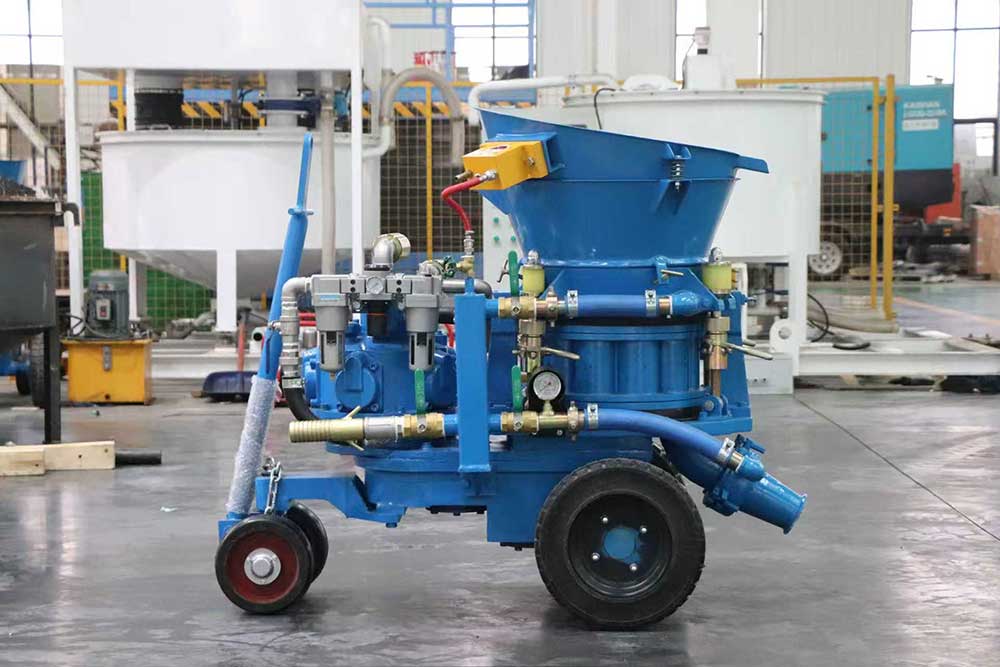
For an equivalent electric-drive quotation, ask for the corresponding rotor configuration, output basis, material compatibility, hose diameter, and route capability. Then request its conveying-air requirement and electrical input data. Do not assume the electric version has identical performance simply because its frame looks similar.
Wodetec publishes the following same-series comparison:
| Published parameter | WZ-5A pneumatic version | WZ-5E electric version |
| Output capacity | 2.5–5.5 m³/h | 5 m³/h |
| Maximum horizontal distance | 200 m | 200 m |
| Maximum aggregate size | 15 mm | 15 mm |
| Hose inner diameter | 51 mm | 51 mm |
| Rotor speed | 11 r/min | 11 r/min |
| Drive specification | TMH6A air motor | 5.5 kW electric motor |
| Listed conveying air | 7–8 m³/min | 8–9 m³/min |
| Separately listed motor air | 7.5 m³/min | Not applicable to the electric rotor drive |
These are published catalogue values, not a controlled efficiency test. Confirm their rating conditions before drawing conclusions about air savings. The electric motor’s 5.5 kW rating is not a measured total package input; exact energy savings and payback require operating data.
Decide according to your site’s limiting utility
Existing air network with capacity available
A pneumatic machine can be worth evaluating when the working area already has a suitable compressed-air system. Confirm spare capacity at peak demand, not just the compressor’s total rating. Drills, tools, leaks, and long distribution lines can reduce the air available for spraying.
The decision favors a pneumatic configuration only if the air network supports it at the operating location. An existing compressor is not automatically a suitable compressor.
Reliable electricity with limited compressed air
An electric drive may deserve priority if a compliant electrical supply is already present and the compressor has little spare flow. Removing the air motor’s demand can improve the system balance, subject to the selected model’s requirements.
Check the power supply at the machine, including voltage behavior, cable arrangement, starting needs, and protective equipment. Nameplate voltage alone does not establish an adequate electrical installation.
Remote work without established utilities
Compare complete packages: compressor, generator if needed, air distribution, electrical equipment, water supply, transport, and service. A diesel-powered compressor can supply an air-motor machine, but that does not make the machine itself diesel-engine driven.
For a small contractor hiring utilities by the day, rental availability and mobilization can matter as much as the purchase price of the rotor machine.
Compare operating cost using measured input energy
Compressed air is produced using electricity or fuel. Calling a pneumatic machine “electricity-free” can hide the energy consumed by the compressor.
A practical comparison uses the same duty and measurement boundary:
Pneumatic package cost per shift = compressor energy or fuel + other utility costs + maintenance + labor and downtime.
Electric-drive package cost per shift = conveying-compressor energy or fuel + rotor-drive electricity + other utility costs + maintenance + labor and downtime.
Use measured compressor package input or verified fuel consumption at the relevant load. Air volume multiplied by tariff is not an energy calculation. Motor shaft output is also not automatically equal to electrical input.
If a shared air network supplies several tools, define how compressor cost is allocated. Counting only the electricity at the shotcrete machine while ignoring central compressed air would unfairly favor the pneumatic option.
Maintenance and noise need a configuration-specific review
An air-motor package needs the specified air quality, filtration, pressure control, and lubrication where required. An electric-drive package needs suitable electrical inspection and protection alongside its mechanical maintenance.
Both dry-mix rotor arrangements still contain wear components associated with abrasive material: sealing elements, rotor-related components, delivery hoses, and nozzles. Changing the drive does not remove material-path wear.
Ask for the lubrication schedule, inspection intervals, spare-parts drawings, and maintenance access requirements of each quoted model. Avoid unsupported claims that either drive is maintenance-free.
Noise should be assessed for the complete operating system. Exhaust, conveying air, material flow, and compressor location can all contribute. Request relevant data or a site assessment rather than assuming drive type alone predicts the exposure.
Underground use requires a separate approval check
An air motor does not automatically establish explosion protection or approval for a particular underground mine. Assess the complete machine, accessories, applicable certification, operating instructions, and site requirements.
Likewise, an electric machine should not be rejected or approved underground solely because it uses electricity. The relevant question is whether the actual configuration is suitable and accepted for that location.
If a compressor has a combustion engine, its location and exhaust arrangements need review. Removing an electric rotor motor does not resolve ventilation or dust-control obligations.
Make the choice with two comparable quotations
Ask Wodetec for pneumatic and electric proposals based on the same material, target output, hose route, and scope of supply. Provide existing air-network and power-supply data, then compare total installed cost and operating requirements.
The strongest proposal is the one that explains how the entire system will meet the duty. For buyers who own only limited site equipment, a slightly different drive arrangement may be worthwhile if it avoids an unsuitable compressor or a costly electrical installation.
Website: https://www.wodetec.com
E-mail: [email protected]
WhatsApp: +86-19939106571