How to Choose a Grout Pump for Tunnel Grouting?
In tunnel construction, many customers search for "how to choose a grout pump for tunnel grouting"when purchasing equipment. However, when actually selecting a model, one should not focus solely on price or pressure specifications; instead, a comprehensive assessment must be made based on the tunnel grouting method, grout material, construction environment, flow rate and pressure requirements, and the equipment’s continuous operation capacity.
1. Why Is a Suitable Grout Pump Necessary for Tunnel Grouting?
Common grouting scenarios in tunnel engineering include advance grouting, radial grouting, grouting of rock mass fractures, backfill grouting behind the lining, grouting behind shield segments, water-stopping grouting, and reinforcement of weak strata. In areas with water-rich faults, fractured rock mass, sand layers, weak ground, or high groundwater pressure, ordinary low-pressure pumps often fail to meet the requirements for stable, continuous, and controllable grouting.
Therefore, when selecting a tunnel grouting pump, customers are most concerned not with “which pump is the largest,” but rather “which pump is suitable for my tunnel conditions.”
2. First, determine the grouting method: Different methods require different grouting pumps
2.1 Pre-excavation Grouting
If water-rich faults, fractured zones, or high-pressure groundwater are present ahead of the tunnel, pre-excavation grouting is typically required before excavation begins. This scenario demands high pump pressure to ensure the grout can penetrate rock fractures or weak strata.
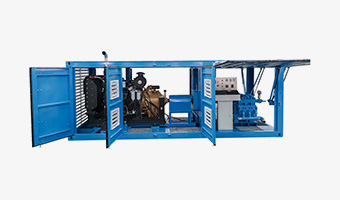
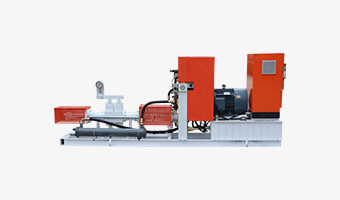
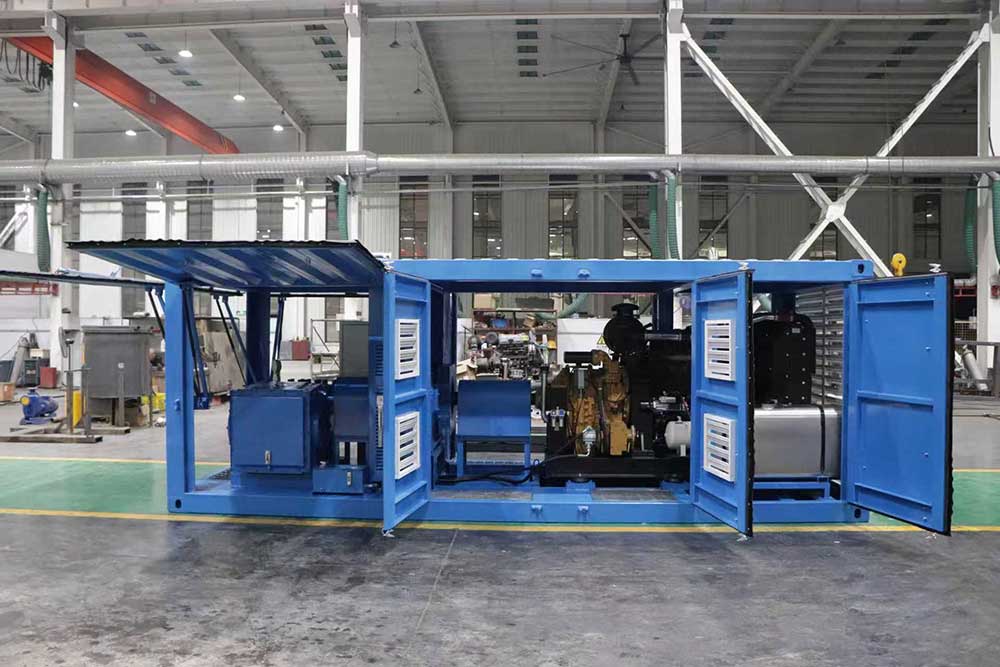
For such projects, we recommend selecting a high-pressure grout injection pump. For example, Wodetec's HWGP250/450-250D diesel-driven high-pressure grout injection pump, which delivers a maximum pressure of 450 bar and a maximum flow rate of 250 L/min, is suitable for high-pressure grouting applications such as soft ground reinforcement, subway construction, high-speed rail, underground engineering, seepage control, and slope anchoring. This diesel-powered equipment is well-suited for tunnels, mines, and other large-scale outdoor construction sites where power supply is unreliable.
2.2 High-Pressure Jet Grouting
If a project requires cutting, mixing, and reinforcing weak soil layers—such as in subway sections, station excavation pits, tunnel portal reinforcement, and seepage control for underground continuous walls—a high-pressure jet grouting pump is the more appropriate choice.
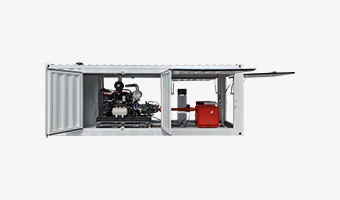
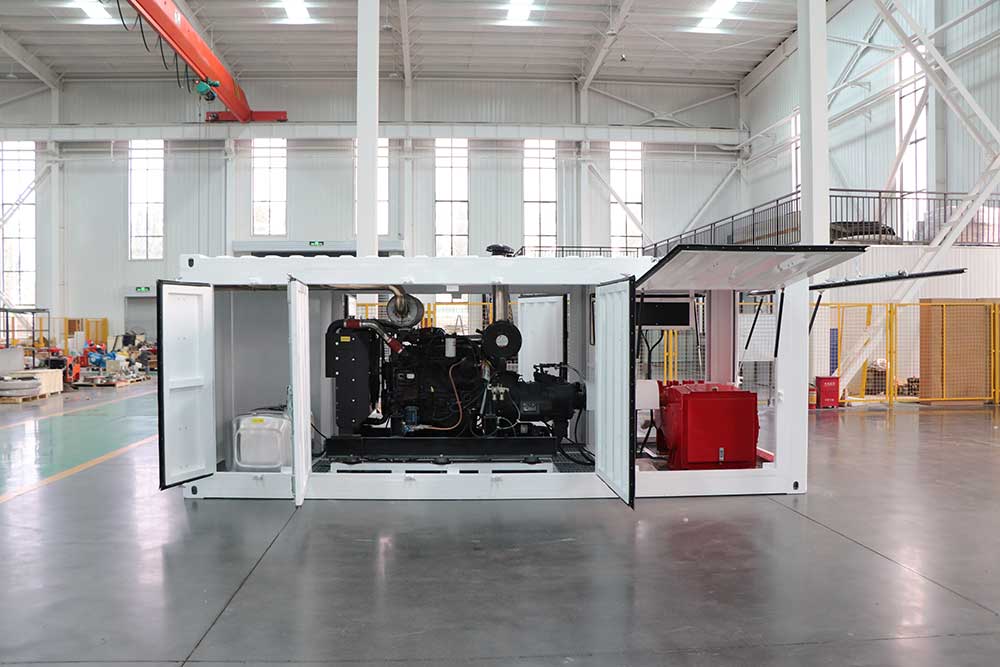
Wodetec’s HWGP114/500-120D Diesel-driven High-pressure Jet-Grouting Pump is a diesel-powered high-pressure jet grouting pump capable of delivering a maximum pressure of 500 bar and a flow rate of 114 L/min. It is suitable for high-pressure jet grouting, soft ground reinforcement, subway projects, high-speed rail, underground engineering, waterproofing curtains, mine seepage control, and slope anchoring.
2.3 Tunnel Lining Backfill Grouting
If voids, compaction issues, or delamination are present behind the primary support or secondary lining of a tunnel, backfill grouting is required. This application typically requires stable grout delivery with minimal pulsation and the ability to operate continuously, while also being capable of pumping cement slurry, mortar, or fine aggregate slurry.
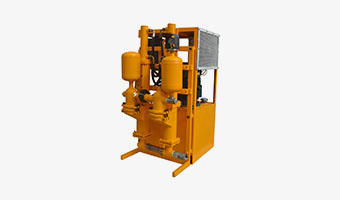
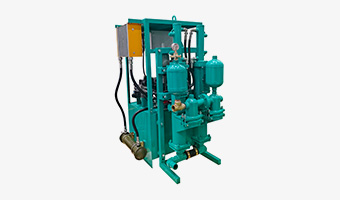
Wodetec’s HWGM50/80PLD-E Double-Plunger Hydraulic Grout Pump is suitable for tunnel liner backfill mortar pumping, soil grouting, foundation stabilization, waterproofing, tunnel lining, underwater foundations, bridge decks, and slope grouting. With a rated pressure of 0–50 bar and a rated flow rate of 0–80 L/min, pressure and flow can be adjusted via the hydraulic system. This type of double-plunger hydraulic grout pump is particularly practical for grouting behind tunnel linings, general backfill grouting, and medium- to low-pressure reinforcement grouting.
2.4 Cement Slurry, Bentonite Slurry, and Soil Consolidation Grouting
If a project uses cement slurry, bentonite slurry, or other fluid slurries for soil consolidation, pile foundation grouting, ground filling, or long-distance conveyance, it is recommended to focus on slurry compatibility, particle passage capacity, and flow rate stability.
Wodetec’s HWGP95/165PL-E Horizontal Slurry Grouting Pump can be used to transport fluid mixtures such as cement slurry and bentonite slurry, making it suitable for applications including soil consolidation, piling, and long-distance material transport. With an operating pressure of 16.5 MPa and a flow rate of 0–95 L/min, this model is ideal for tunnel and foundation projects requiring high pressure and stable slurry delivery.
3. What Core Parameters Should Be Considered When Selecting a Tunnel Grouting Pump?
3.1 Grouting Pressure: Higher Isn’t Always Better—It Must Match the Geological Formation
Many customers ask directly: “How much pressure do I need for tunnel grouting?” In reality, grouting pressure must be determined based on rock fractures, groundwater pressure, borehole depth, slurry viscosity, and the designed grouting radius.
If the pressure is too low, the grout cannot spread effectively; if the pressure is too high, it may cause rock fracturing, grout leakage, ground heaving, or structural disturbances. Therefore, when selecting a high-pressure cement grout pump, priority should be given to equipment with adjustable pressure, stable control, and comprehensive safety protections.
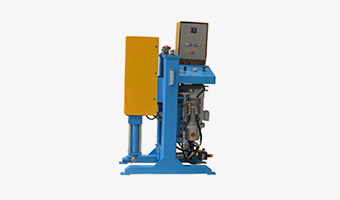
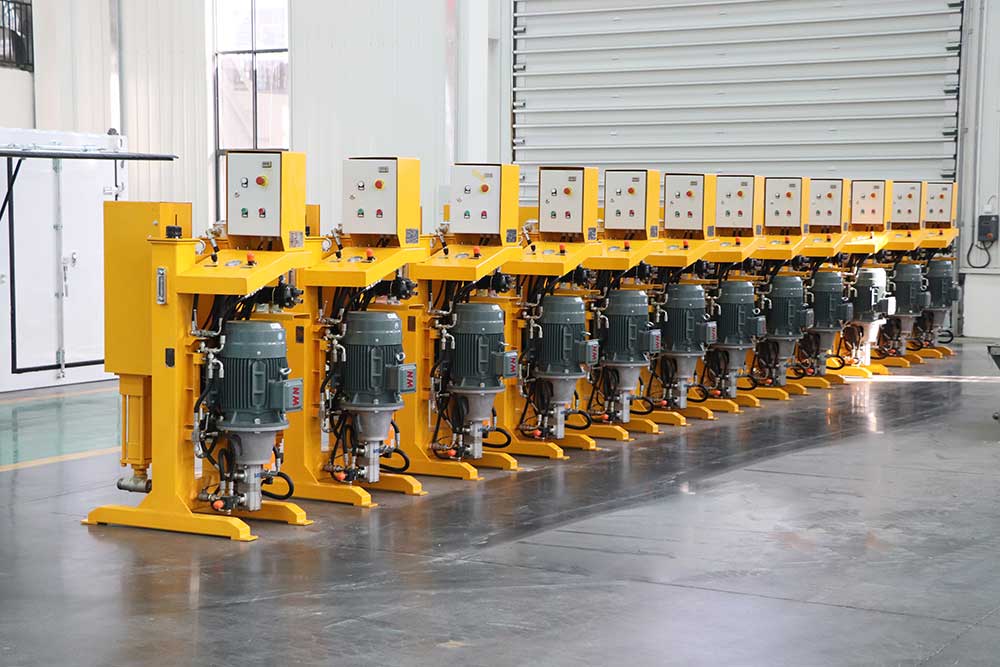
For example, the HWDH75/100 PI-E High-Pressure Vertical Grouting Pump has an adjustable pressure range of 0–100 bar and a flow rate of 0–75 L/min, making it suitable for methods such as permeation grouting, consolidation grouting, backfill grouting, curtain grouting, and high-pressure fracturing grouting. For grouting in tunnels, small-cross-section underground projects, mines, and dam foundations, this type of vertical high-pressure grouting pump features a compact design, ease of operation, and low maintenance costs.
3.2 Flow Rate: Pressure is key for grouting small fissures, while flow rate is key for large-scale filling
For fissure sealing, advance reinforcement, or deep-hole grouting, the focus is typically on pressure stability; for backfilling behind linings, void filling, shield tunneling grouting, or large-area ground reinforcement, the focus is on continuous flow rate.
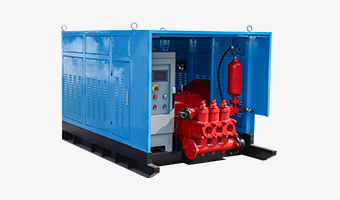
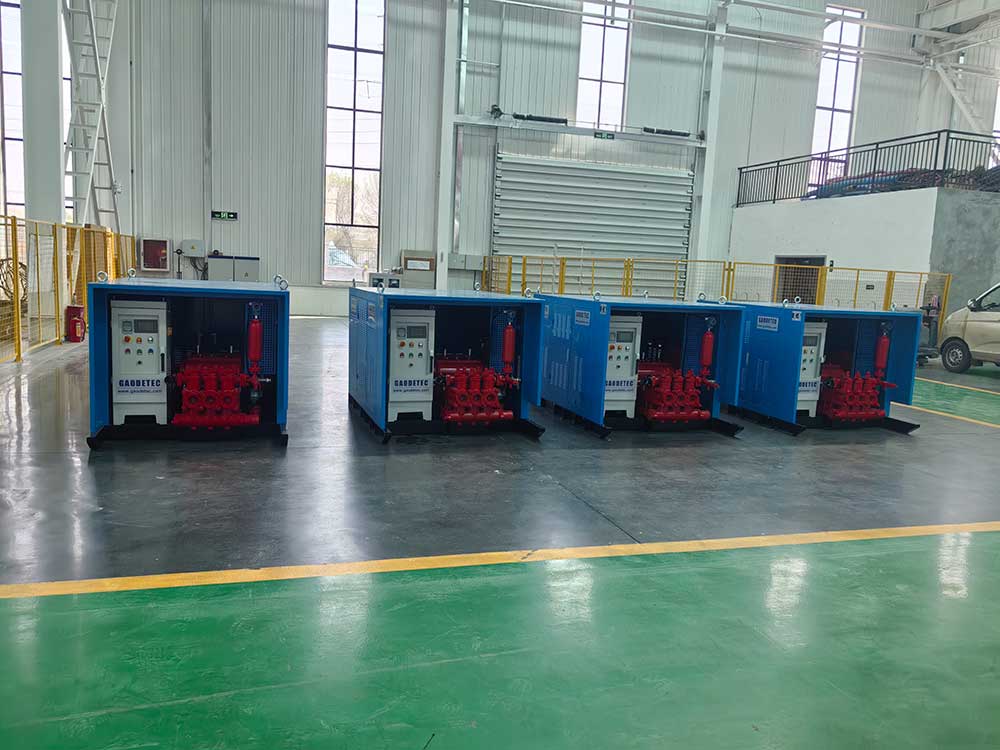
Wodetec's HWGP440/50PI-22E High-Pressure Horizontal Grouting Pump delivers a maximum flow rate of 440 L/min and a maximum pressure of 5 MPa, making it suitable for projects in mining, geological drilling, railways, highways, water conservancy and hydropower, bridges, high-rise buildings, and foundation reinforcement. For tunnel backfill grouting or foundation grouting projects requiring high-flow delivery of cement slurry, this type of horizontal high-flow grouting pump offers distinct advantages.
3.3 Slurry Types: Cement Slurry, Mortar, Bentonite, or Chemical Grout?
Common materials used in tunnel grouting include cement slurry, microfine cement grout, bentonite cement slurry, mortar, waterproofing grout, and chemical grout. Different slurries place varying demands on the pump:
Cement slurry and bentonite slurry require pumps with good wear resistance and stable delivery capabilities; mortar and fine-aggregate slurries require equipment that allows certain particle sizes to pass through; chemical grouts place greater emphasis on metering accuracy, pressure control, and material compatibility.
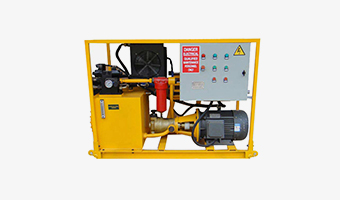
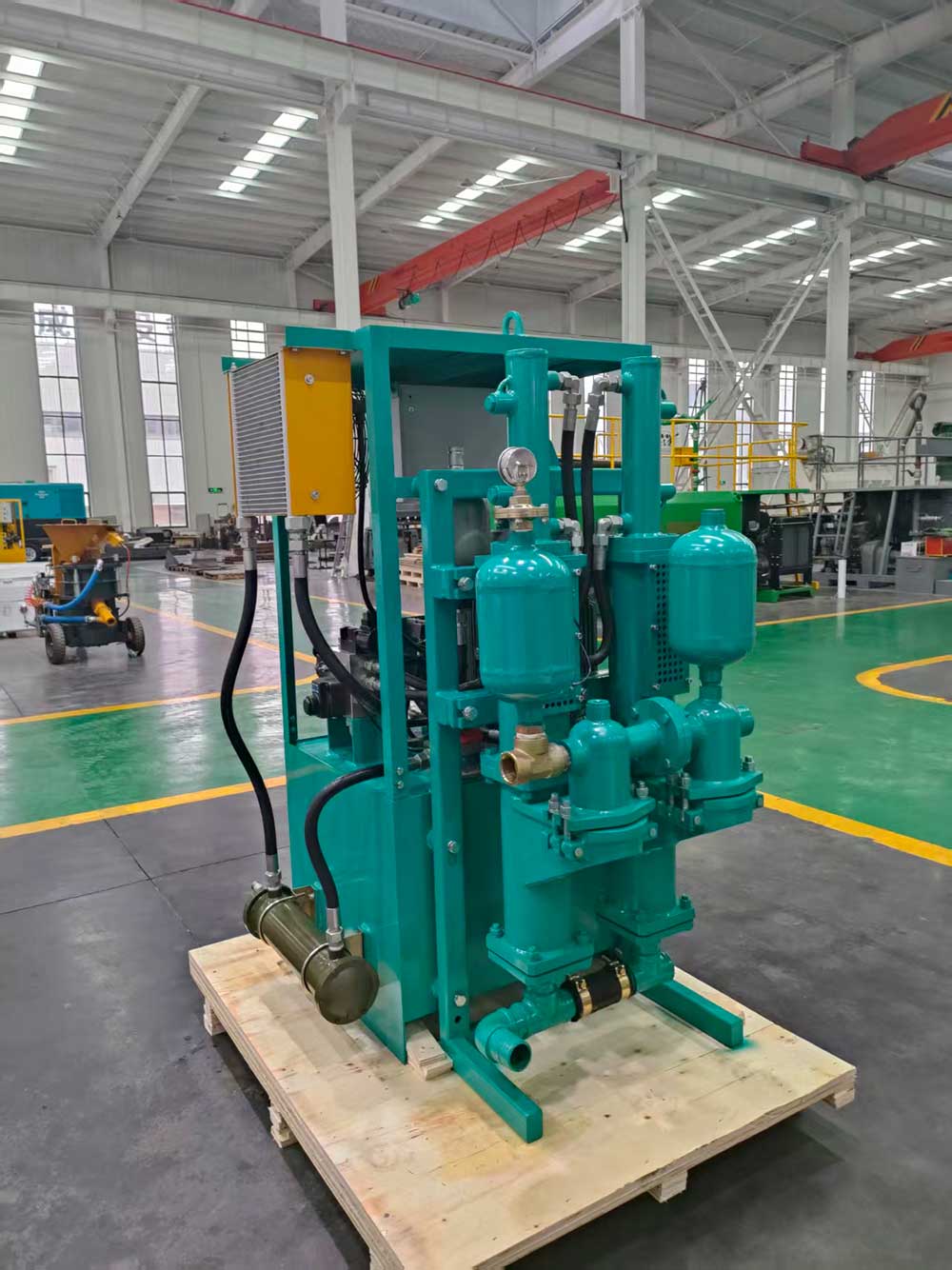
If a customer is using cement slurry or mortar for tunnel grouting, the HWGM90/100PLD-E Compact Cement Mortar Injection Pump is an excellent choice. With a rated flow rate of 0–90 L/min and a rated pressure of 0–100 bar, this model is suitable for delivering cement slurry, mortar, and fine aggregate fill materials with particle sizes ≤8 mm. It can be used in projects such as tunnel backfilling, ground reinforcement, waterproofing and leak sealing, underwater foundations, bridge deck grouting, and slope anchoring.
3.4 Power Source: Diesel-Driven or Electric-Driven?
Tunnel construction sites feature complex environments, and the choice of power source also influences equipment selection.
If the power supply at the construction site is unstable, or if the project is located in a mine, mountainous area, water conservancy project, or large-scale outdoor site, diesel-driven grouting pumps are more convenient to deploy. For example, the HWGP250/450-250D and HWGP114/500-120D are both diesel-driven models suitable for large-scale tunnel and high-pressure engineering sites.
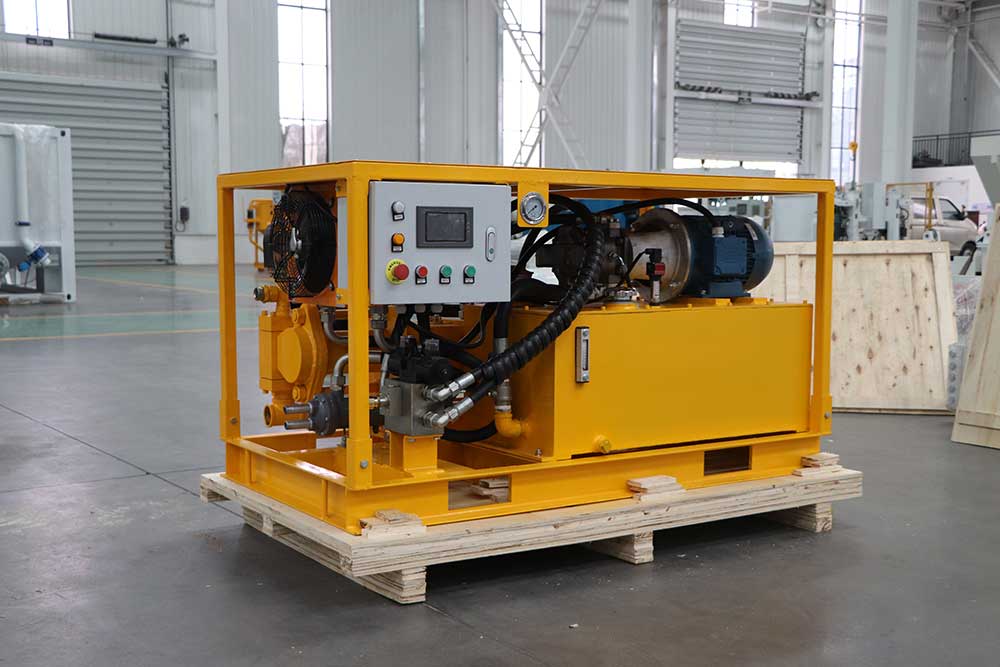
If a stable power supply is available on-site and there are requirements regarding noise, emissions, and ease of maintenance, electric-hydraulic grouting pumps or electric horizontal grouting pumps are more suitable. For example, the HWDH70&90 Hydraulic High-Pressure Grout Pump is hydraulically driven, with a rated pressure of 10 MPa and flow rates of either 0–70 L/min or 0–100 L/min. It is suitable for a wide range of applications, including soil grouting, foundation reinforcement, waterproofing, tunnel lining, bridge deck construction, and slope grouting.
4. Which Wodetec grout pumps are recommended for different tunnel conditions?
If your question is"how to choose a grout pump for tunnel grouting", you can quickly make a selection based on the following criteria:
Application 1: Water-rich faults, fractured rock mass, advance reinforcement
Recommendation:
HWGP250/450-250D Diesel-driven High-pressure Grout Injection Pump
Reason for Recommendation: High pressure, high flow rate, and diesel-driven, making it suitable for high-pressure grouting, soft-ground reinforcement, and seepage control grouting in large tunnels, subways, mines, and underground engineering projects.
Application 2: High-pressure jet grouting, subway portal construction, and soft-ground treatment
Recommendation:
HWGP114/500-120D Diesel-driven High-pressure Jet-Grouting Pump
Reasons for Recommendation: High maximum pressure, suitable for high-pressure jet grouting, soft-ground reinforcement, seepage-control curtains, and soil improvement in underground engineering projects.
Application 3: Backfilling behind tunnel linings, general tunnel grouting
Recommendation:
HWGM50/80PLD-E Double-Plunger Hydraulic Grout Pump
Reason for Recommendation: Features a double-plunger design with stable flow rate, making it suitable for backfilling behind tunnel linings, soil grouting, foundation stabilization, and waterproof grouting.
Application 4: Cement Slurry, Bentonite Slurry, and Soil Stabilization
Recommendation:
HWGP95/165PL-E Horizontal Slurry Grouting Pump
Reason for Recommendation: Suitable for conveying cement slurry, bentonite slurry, and fluid mixtures; ideal for soil reinforcement, pile foundation grouting, and long-distance slurry conveyance.
Application 5: Small-to-Medium-Sized Tunnels, Mines, Dam Foundations, and Curtain Grouting
Recommendation:
HWDH75/100 PI-E High-Pressure Vertical Grouting Pump
Reasons for Recommendation: Compact design with adjustable pressure and flow rate; suitable for various grouting methods, including seepage grouting, compaction grouting, backfill grouting, curtain grouting, and high-pressure fracturing grouting.
Application 6: Cement mortar, fine aggregates, tunnel backfilling, and leak sealing
Recommended:
HWGM90/100PLD-E Compact Cement Mortar Injection Pump
Reason for Recommendation: Capable of pumping cement slurry, mortar, and fine aggregate fill materials ≤8mm, suitable for tunnel backfilling, ground reinforcement, waterproofing and leak sealing, and slope anchoring.
Application 7: Multi-purpose tunnel grouting, foundation reinforcement, and waterproofing operations
Recommendation:
HWDH70&90 Hydraulic High-Pressure Grout Pump
Reason for Recommendation: Hydraulically driven, compact design, and stable pressure; suitable for soil grouting, foundation reinforcement, waterproofing, tunnel lining, and bridge deck construction.
5. Final Answer: How to Choose a Grout Pump for Tunnel Grouting?
When selecting a tunnel grouting pump, follow these five steps:
First, determine the purpose of grouting: Is it for water sealing, reinforcement, backfilling, curtain grouting, or high-pressure rotary jet grouting?
Second, identify the grout material: Is it cement slurry, bentonite slurry, mortar, fine aggregate slurry, or chemical grout?
Third, determine the required pressure and flow rate: Fissure grouting prioritizes pressure, while large-area backfilling prioritizes flow rate; high-pressure rotary jet grouting requires a higher pressure rating.
Fourth, assess the construction environment: Is there a stable power supply at the tunnel site? Does the equipment need to be mobile? Is space limited?
Fifth, evaluate equipment reliability: Choose a grout pump with adjustable pressure and flow rates, stable operation, easy maintenance, and safety protection features.
If you are looking for a
grout pump suitable for tunnel grouting, Wodetec can recommend the appropriate grout pump solution based on the tunnel project’s grouting method, grout material, pressure and flow rate requirements, and on-site construction conditions. Whether for advance grouting, backfilling behind the lining, mine water control, soft ground reinforcement, or high-pressure rotary jet grouting, selecting the right grout pump is essential to truly improve grouting efficiency, reduce the risk of pipe blockages, and ensure tunnel construction safety.