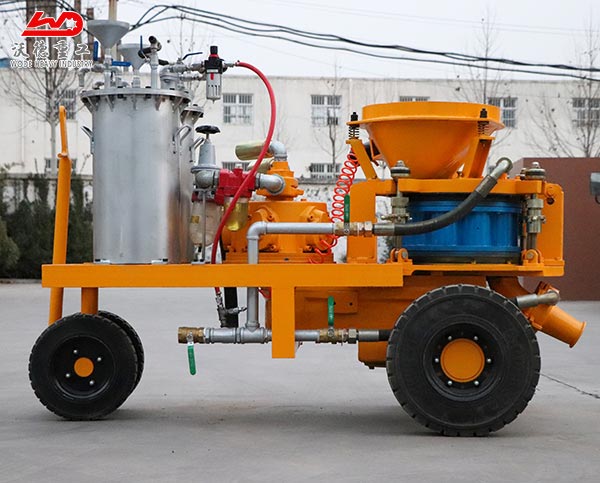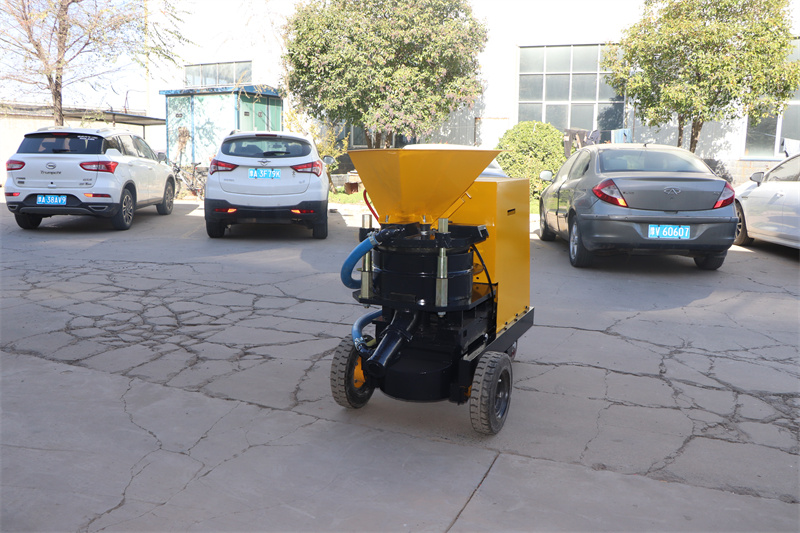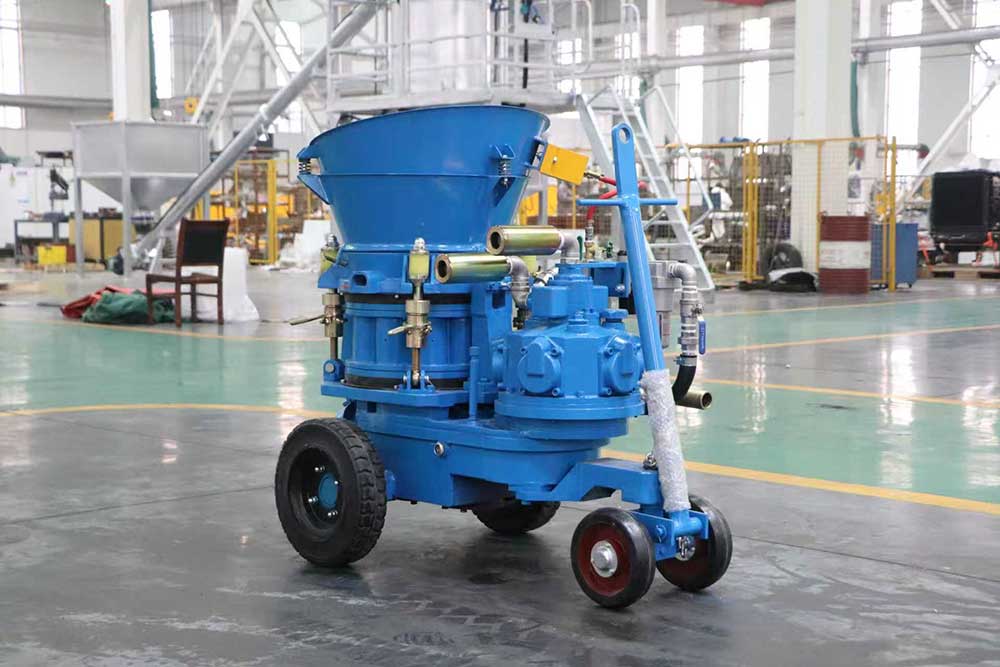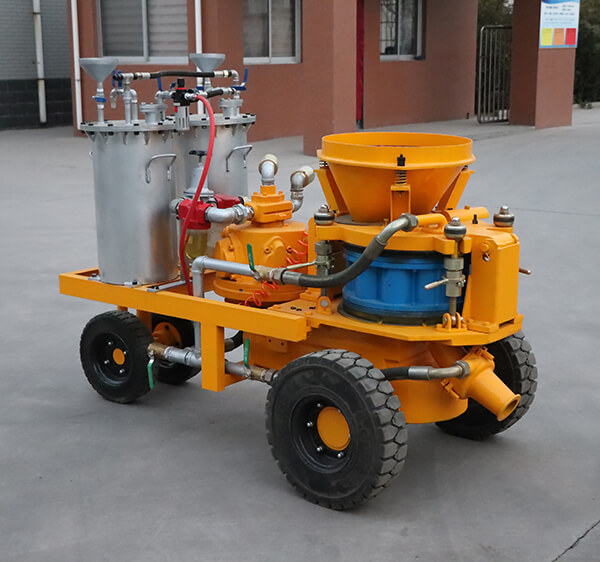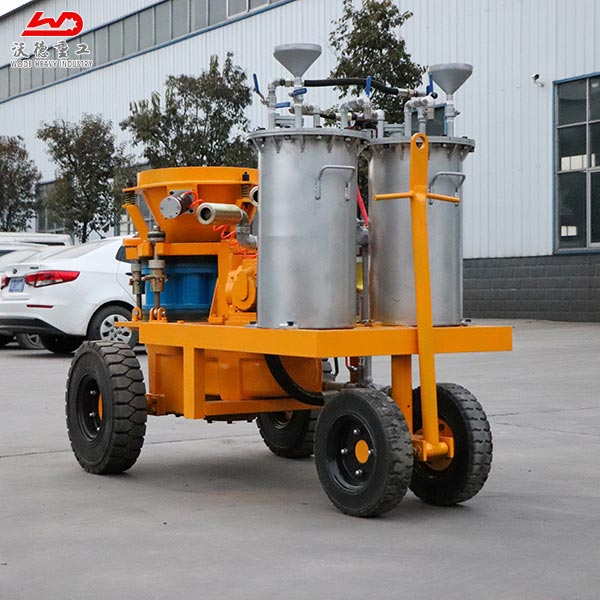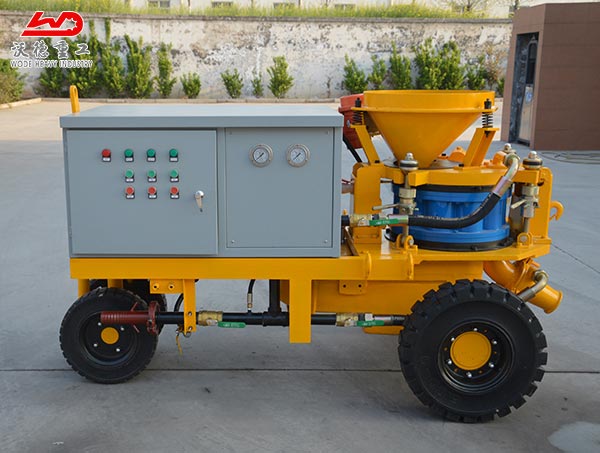
Pneumatic Shotcrete Machine
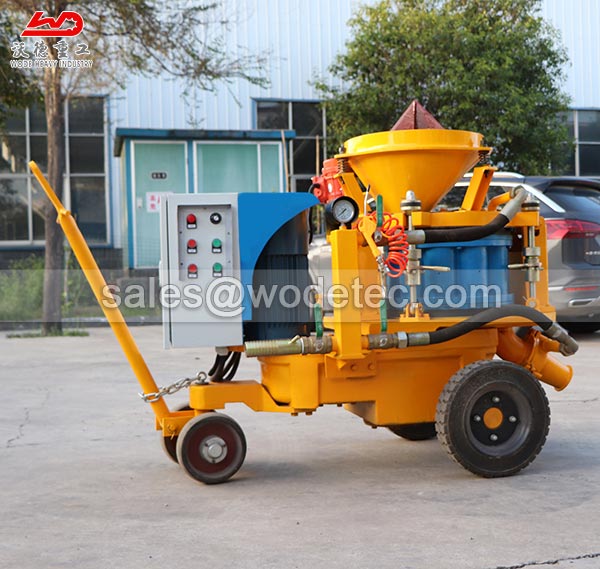
A pneumatic shotcrete machine uses an air motor to drive its feeding mechanism and compressed air to convey material through a hose. In dry-mix operation, water is introduced at the nozzle before the material reaches the receiving surface. For contractors buying equipment for repairs, slopes, mines, or tunnels, the key question is whether the machine, material, air supply, and working space form a usable system.
Pneumatic Shotcrete Machine: How It Works and Where to Use It
A pneumatic shotcrete machine uses an air motor to drive its feeding mechanism and compressed air to convey material through a hose. In dry-mix operation, water is introduced at the nozzle before the material reaches the receiving surface. For contractors buying equipment for repairs, slopes, mines, or tunnels, the key question is whether the machine, material, air supply, and working space form a usable system.
An air-powered machine can remove the need for an electric rotor-drive connection at the spraying location. It does not remove the need for energy: a compressor still supplies the motor and conveying circuit. Understanding those two air demands is essential before ordering equipment.
What makes a shotcrete machine pneumatic?
The drive motor determines whether a rotor machine is pneumatic or electric. Both versions can use compressed air to move dry material through the delivery hose.
| Function | Pneumatic dry-mix machine | Electric dry-mix machine |
| Rotor drive | Air motor | Electric motor |
| Dry-material conveying | Compressed air | Compressed air |
| Water addition | At the nozzle in dry-mix operation | At the nozzle in dry-mix operation |
| Utilities to verify | Motor air, conveying air, and nozzle water | Electrical supply, conveying air, and nozzle water |
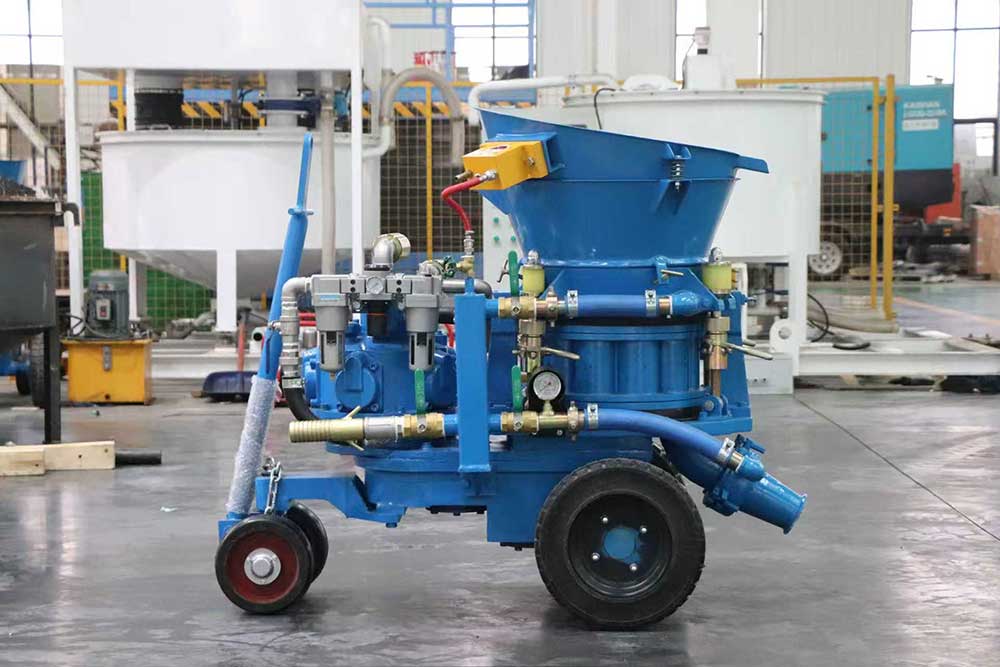
This distinction matters when reviewing advertisements. A machine described as using “pneumatic conveying” may still have an electric motor. Ask for the drive type, motor identification, and utility schedule rather than relying on the word “pneumatic” alone.
The term gunite machine is also used for dry-process shotcrete equipment. Search terms such as air-powered gunite machine, pneumatic dry-mix shotcrete machine, and air-driven concrete spraying machine can therefore lead to related equipment. They do not prove identical capacity, aggregate compatibility, or drive configuration.
How a rotor-type dry-mix shotcrete machine works
The operating sequence links controlled feeding with air transport and nozzle water addition.
Prepare the specified material. Cement and aggregate are proportioned and mixed to the approved formulation. Aggregate grading, moisture, and freedom from oversized particles affect feeding and transport.
Feed the hopper. Material enters the rotor pockets from the charging hopper. A steady feed helps prevent interruptions in material delivery.
Rotate the feeding assembly. The air motor drives the rotor through its transmission. The rotor transfers measured pockets of material toward the discharge position.
Introduce conveying air. Compressed air carries the material from the discharge assembly into the delivery hose.
Add water at the nozzle. The nozzle operator controls water addition and the application technique appropriate to the material and specification.
Place and assess the shotcrete. Surface preparation, nozzle technique, reinforcement geometry, and curing influence the completed work.
Rotor speed is only one part of output. Pocket filling, material condition, air delivery, hose layout, and interruptions also matter. A catalogue output should not be treated as a guaranteed installed volume per hour.
What the supplied Wodetec specification tells a buyer
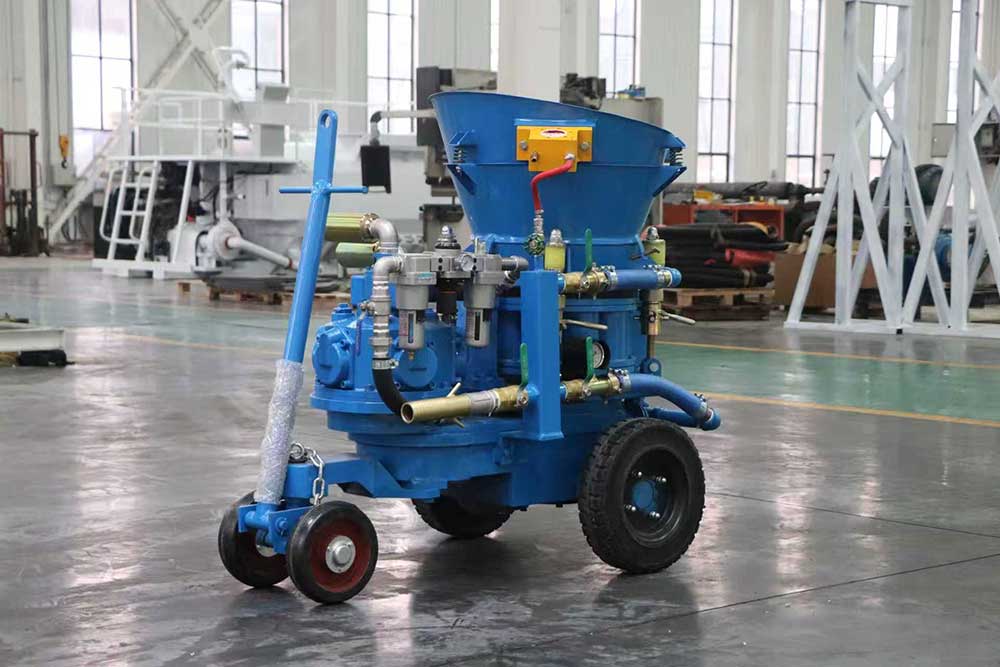
The following values are published for the Wodetec WZ-5A air-motor configuration and match the supplied parameter sheet. Confirm the model and data-sheet revision on the final quotation.
| Parameter | Supplied value | Practical meaning |
| Output capacity | 2.5–5.5 m³/h | Listed capacity range; verify operating conditions |
| Maximum horizontal conveying distance | 200 m | Route feasibility still requires review |
| Maximum aggregate size | 15 mm | Upper size limit, not a complete grading specification |
| Conveying hose inner diameter | 51 mm | Confirm the hose and nozzle package supplied |
| Conveying pressure | 0.2–0.4 MPa | Separate from the air-motor pressure |
| Air-motor pressure | 0.5 MPa | Verify at the motor inlet under operating flow |
| Air-motor type | TMH6A | Match identification on the order documents |
| Rotor speed | 11 r/min | Listed rotor operating value |
| Material charging height | 1.1 m | Relevant to bag handling and feeding arrangements |
| Overall dimensions | 1.35 × 0.75 × 1.2 m | Machine envelope, excluding working clearances |
| Net weight | 720 kg | Requires planned handling and transport |
A 750 mm machine width does not mean a 750 mm passage is sufficient. Hoses, fittings, turning space, uneven ground, and personnel clearance must also be considered. Likewise, wheels assist movement but do not make a 720 kg machine a hand-carried tool or establish a road-towing rating.
Wodetec’s WZ-5 range includes electric, air-motor, and diesel-drive configurations. The website also lists a separate WSZ-10S air-motor machine with different capacity and dimensions. Specifications from different models should never be combined into one product description.
Why air supply needs two separate checks
The supplied sheet lists conveying-air consumption of 7–8 m³/min and air-motor consumption of 7.5 m³/min. A buyer needs to know whether these figures are separate simultaneous demands or whether one figure already includes the other. Their reference conditions must also be identified.
The conveying-air row includes a CFM conversion that does not agree with the metric quantity. On an identical volumetric reference basis, 1 m³/min is approximately 35.3 ft³/min, so 7–8 m³/min is approximately 247–283 CFM. This arithmetic does not establish a compressor specification because actual, free-air, and standardized flow ratings may use different reference conditions.
Ask for a written air-demand schedule stating:
Total simultaneous free-air demand at the selected output.
Required pressure at each machine inlet while material is flowing.
Air-treatment and lubrication requirements for the motor.
Allowances for the supply line, altitude, temperature, and other air consumers.
A compressor that reaches the required pressure with no flow may still be inadequate during spraying. Flow and pressure must be checked together.
Where pneumatic dry-mix equipment can fit
Concrete repair: Dry-mix equipment can serve intermittent repair work where material can be supplied in controlled batches. The repair design, material approval, access, and surface preparation remain separate requirements.
Slope work: A hose-fed arrangement can help reach work faces where placing the machine directly beside the nozzle is impractical. Stability, hose routing, drainage, and safe access require project planning.
Mining and tunneling: Air-motor drive can be attractive where an adequate compressed-air network exists and supplying electrical power at the rotor is inconvenient. Underground suitability depends on ventilation, site rules, equipment documentation, and the specified support system.
Specialty materials: Do not infer that concrete-machine compatibility automatically covers a particular refractory or proprietary repair mix. Material suppliers and the equipment supplier should confirm the proposed grading, hose, nozzle, and operating arrangement.
When to consider another configuration
An electric rotor-drive machine deserves consideration when reliable electricity is available but compressor flow is constrained. A wet-mix system may deserve a separate comparison when material supply, production requirements, or the project specification favors that process.
Dry versus wet describes material processing. Pneumatic versus electric describes the drive. These are different choices: an air motor does not by itself establish wet-mix capability. The supplied configuration should be treated as a dry-mix selection unless its model-specific documentation confirms otherwise.
What to send before requesting a recommendation
Send the required output, material grading, longest actual hose route, elevation change, air-supply data, nozzle-water arrangement, and access restrictions. Include the project country and application so that the supplier can identify documentation and configuration questions early.
For a WZ-5A configuration review, contact Wodetec with your working conditions. Request confirmation of the exact model, combined air requirement, and included delivery equipment before comparing quotations.
Website: https://www.wodetec.com
E-mail: [email protected]
WhatsApp: +86-19939106571